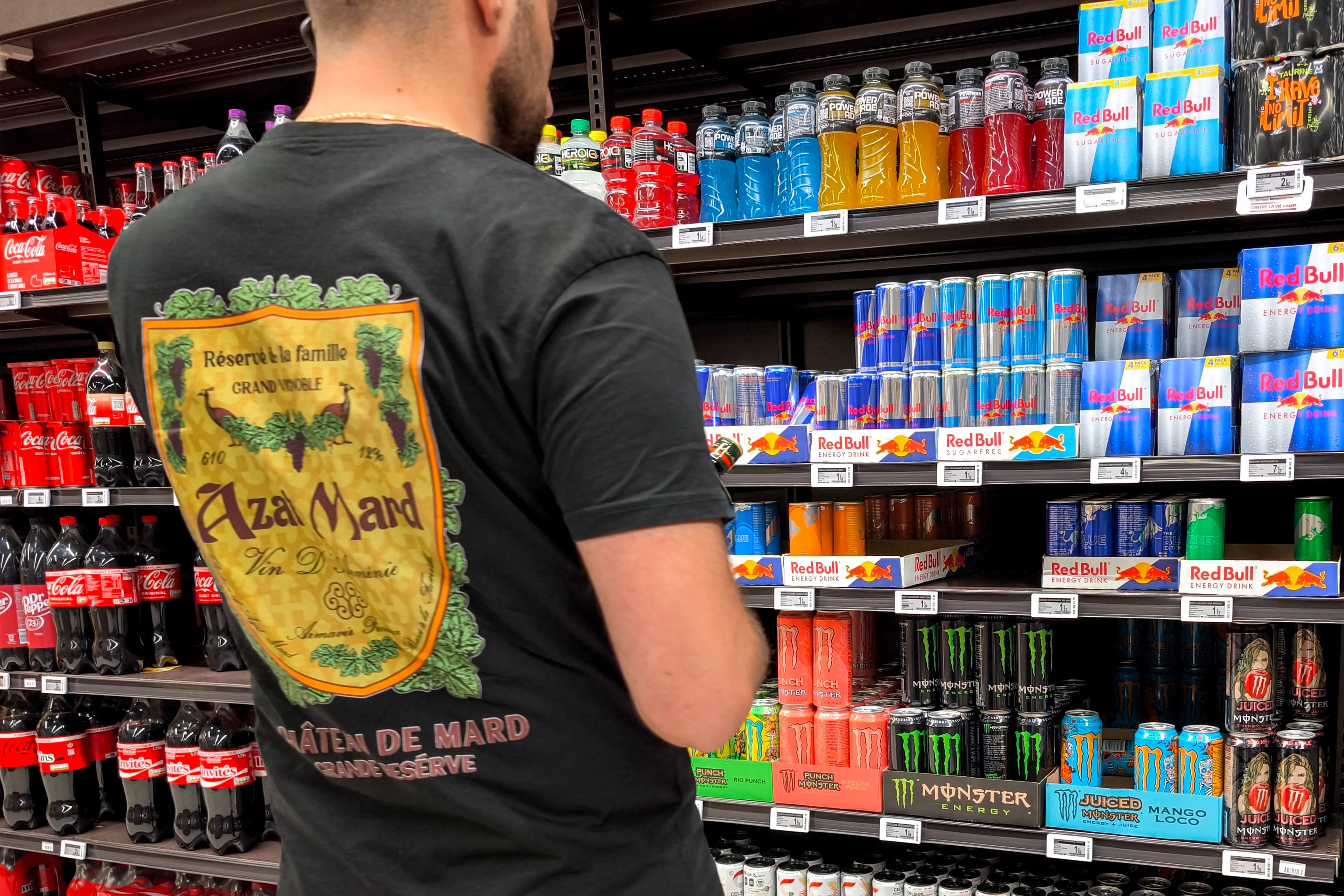
Health authorities around the world are ramping up regulation of a booming industry popular among young people: the estimated $85 billion global market for energy drinks.
New energy drink policies have spanned continents, ranging from bans on sales to youth under 16 in the United Kingdom and Quebec to a sweeping crackdown on unsupported health claims on labels in India.
Leading food agencies are joining in. The European Food Safety Authority said in May that it would revisit its influential scientific opinion that broadly affirmed the safety of caffeine and energy drinks. One month later, the U.S. Food and Drug Administration announced that new guidance on caffeine labelling, coming amid health concerns about energy drinks, would be a top priority in 2026.
The recent activity reflects a growing global momentum for stronger regulation of energy drinks, which have been linked to health problems such as cardiac disturbances, obesity and anxiety. Since the beginning of 2024, policymakers in more than a dozen countries around the world have strengthened health protections for these products.
But this is not the first time energy drinks have faced scrutiny. During the 2010s, the health effects of energy drinks sparked a similar surge of concern among policymakers, including hearings in the U.S. Senate and the U.K. Parliament. At the time, proposals for blanket reforms like age limits faced fierce opposition from the beverage industry, often going nowhere.
An ongoing investigation by The Examination and its global media partners has found that the industry’s success in beating back such restrictions was fueled by a multi-pronged campaign to shape the science on the health effects of its products and enlist hired academics to lobby against stricter rules.
As a new wave of regulations gathers steam, health advocates are on a collision course with the powerful beverage industry. The outcome will hinge on a crucial question: Will history repeat itself, or will this time be different?
Mental health and ultraprocessed food concerns
Health researchers say there is an important difference today: science about the risks of energy drinks has advanced considerably over the past decade.
Amelia Lake, a professor at Teesside University in England, said the most striking new findings relate to the mental health of young people. In 2016, Lake co-authored a review of the academic literature on how energy drinks affect children and teenagers; in 2024, she repeated the effort to reflect the latest research.
Lake said the more recent studies found energy drinks were linked to sleep disturbances, stress and disruptive behaviors, in addition to the physical ailments that earlier research had discovered.
“We've moved on from stomach problems, tooth decay, energy balance, headaches into depression, anxiety, suicidal thoughts,” she said.
Lake compared the international spread of energy drink regulations to efforts to limit social media for children and teenagers, which have gained momentum globally as evidence of its mental health harms grow.
The movement to restrict energy drinks is ”focused on the same age group around whom we have such strong concerns,” she said.
We've moved on from stomach problems, tooth decay, energy balance, headaches into depression, anxiety, suicidal thoughts.
Amelia Lake, professor at Teesside University in England
Sachin Shah, a professor at University of the Pacific in Northern California, said there is also mounting evidence of important differences between energy drinks and naturally caffeinated beverages like coffee. Some of these distinctions parallel a wider body of research that shows increased health risks from consuming ultraprocessed foods.
The caffeine content of energy drinks varies from 80 mg in Red Bull, slightly less than a regular cup of coffee, to 300 mg in other brands. But energy drinks also contain ingredients such as taurine and various stimulants that can magnify caffeine’s effects on the body in ways that are not fully understood. The overall stimulant load of energy drinks remains the “billion-dollar question,” Shah said.
In July, the American Heart Association issued new guidance that said most adults could safely drink up to five cups of coffee in a day, but high caffeine doses found in energy drinks could cause cardiovascular harm and should be avoided.
“One is a natural beverage,” Shah said. “The other one is an engineered beverage, and to treat them the same doesn't make a lot of sense.”
Help us report on the safety of energy drinks
The International Council of Beverages Associations, which represents the global non-alcoholic beverage industry, pointed to regulatory approvals around the world as evidence of energy drinks’ safety.
“Leading regulatory authorities including the European Food Safety Authority have consistently affirmed that energy drinks can be consumed safely within recommended guidelines,” wrote the council’s executive director Kate Loatman in an emailed statement to The Examination.
The industry welcomes further policy discussion that is “grounded in clear, robust scientific evidence,” Loatman wrote.
Red Bull and Monster Beverage Corporation, the two largest energy drink makers worldwide, did not respond to inquiries about the recent increase in energy drink regulation.
‘A lot of money to be lost’
Some countries that have recently acted on energy drinks have put rigorous new policies in place. Norway has a ban on sales to youth under 16, while Kuwait has one to youth under 18. Both bans took effect earlier this year.
But most of the latest measures reflect partial steps in a longer process.
In Mexico, an age limit unanimously approved by the lower house of Congress last September remains in limbo; in Spain, a similar rule proposed by the national government in February is now in a public consultation period.
The moves by the U.S. and European food agencies are even more preliminary.
While the FDA has prioritized new guidance on caffeine labels, neither the timeline nor its recommendations will be legally binding.
Subscribe to our newsletter
Global health reporting, straight to your inbox
The European Food Safety Authority, a scientific advisory body whose opinions inform policy for European nations, said it will reexamine a pivotal 2015 opinion that supported the safety of caffeine and energy drinks. Government reports on energy drink policies and beverage industry lobbyists have repeatedly cited the opinion.
Key sections that concluded that mixing alcohol and energy drinks was not a serious concern relied on studies by researchers with financial ties to Red Bull, The Examination and its partners reported in July.
The European food agency said its new opinion will focus on health risks to children and teens and will be released for public consultation by the end of 2027. While the agency’s views carry weight in Europe and beyond, they are limited to scientific advice. Any policy changes would have to be undertaken separately.
Lake, the British researcher, said there has been “a step change in public opinion” about the health effects of energy drinks. But she believes the sector’s lucrative growth means that energy drink makers are likely to fight back on any rule that could affect their bottom line.
“There's still a lot of money to be lost,” Lake said.