Examining environmental health threats, contaminated products and more.

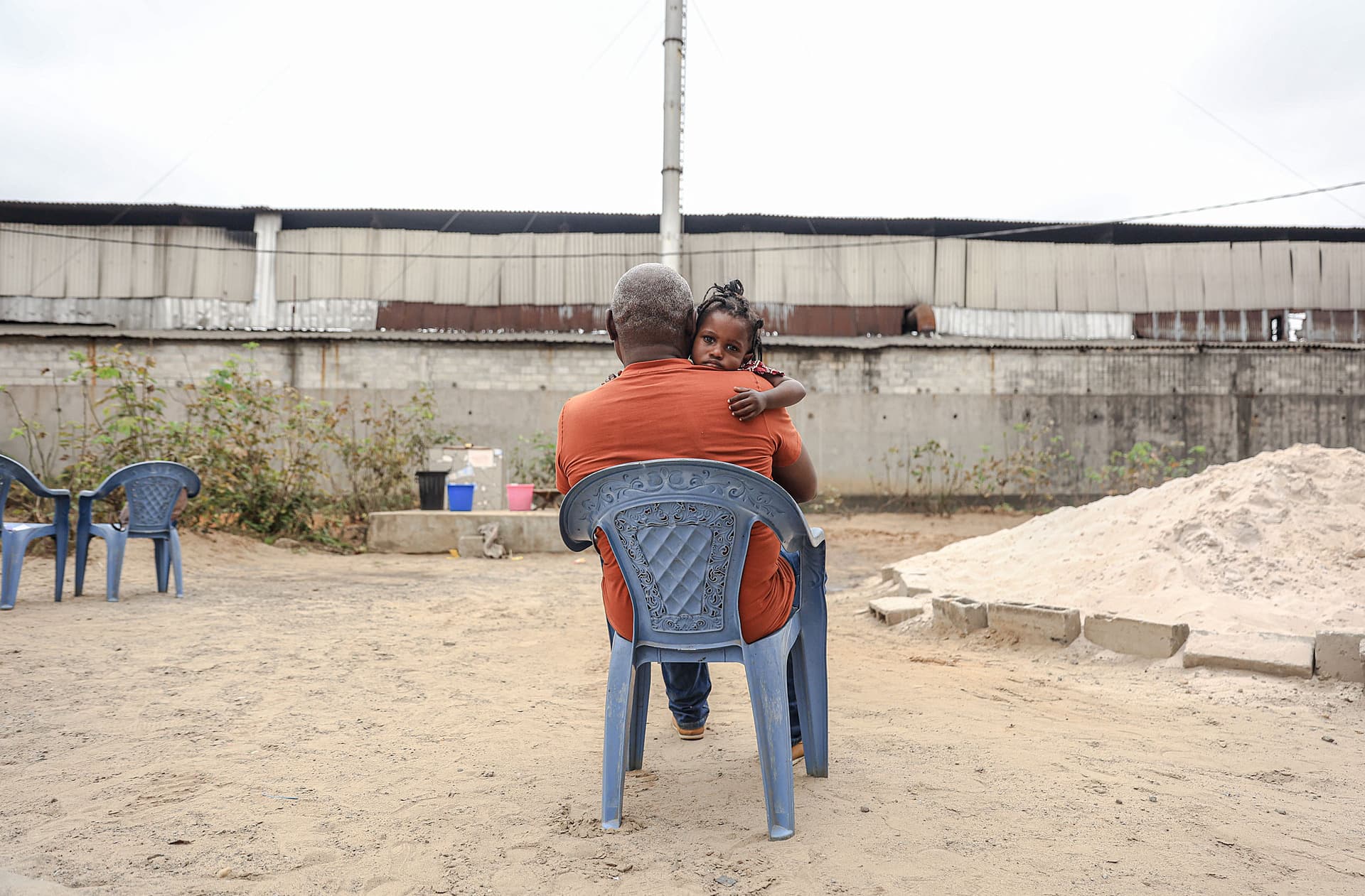
No one had ever tested the soil near battery recyclers in Togo, one of several African countries that have ramped up exports of lead for the global auto industry.
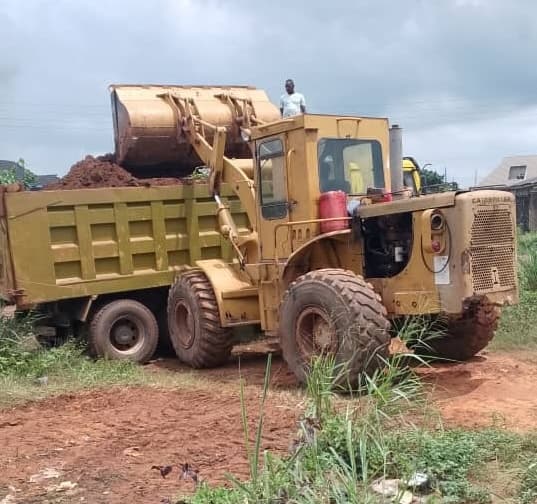
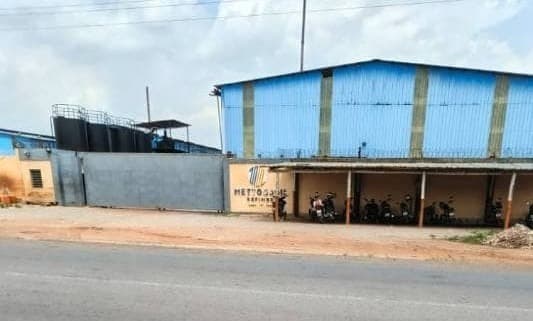
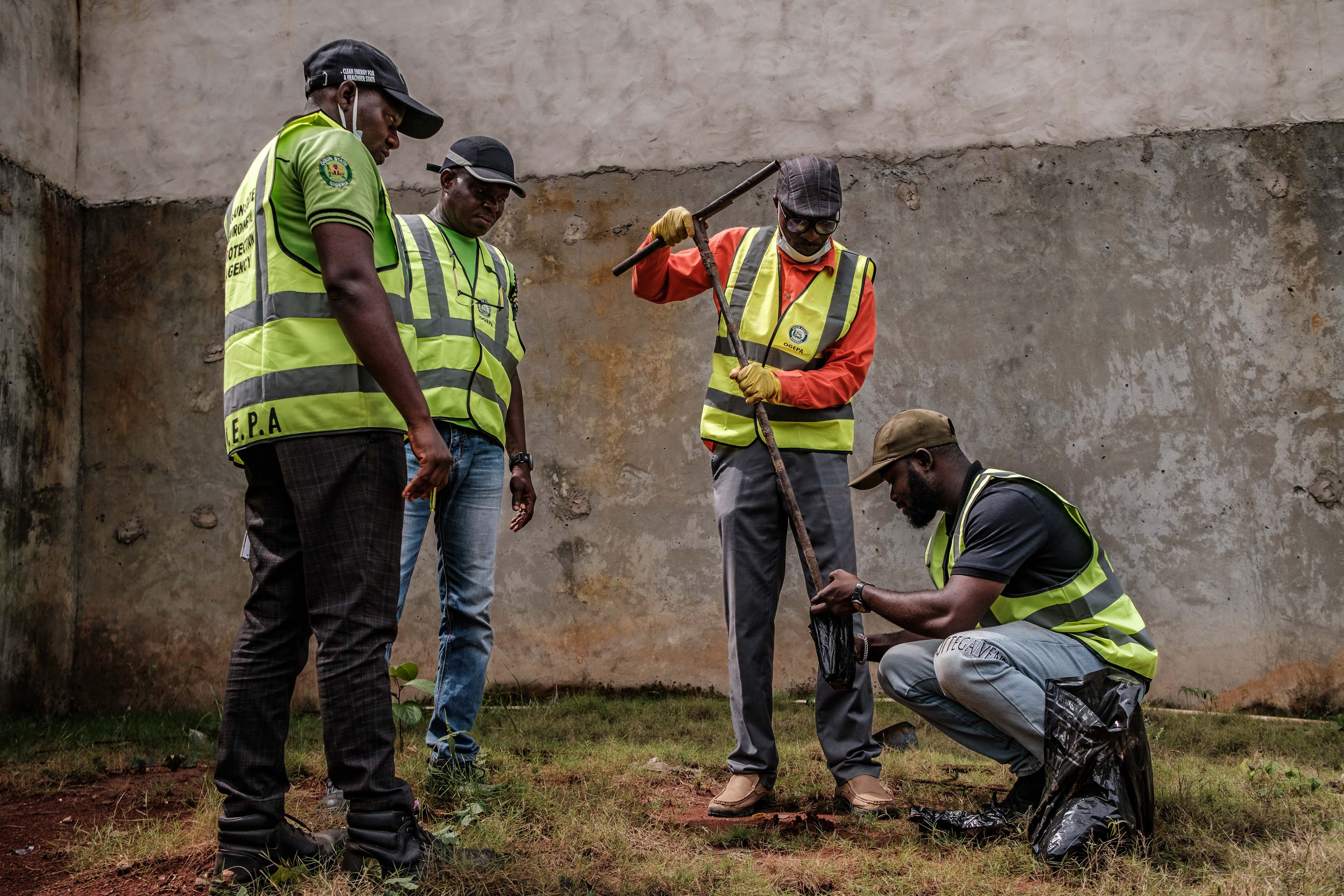
Carmakers have known for decades that battery recycling was poisoning people abroad. Nigeria’s crackdown is an effort to catalog the damage.
Global health reporting, straight to your inbox
We documented the toxic fallout of a green technology.
Despite decades of evidence on the toxic effects of battery recycling, companies opted not to act and blocked efforts to clean up the industry.
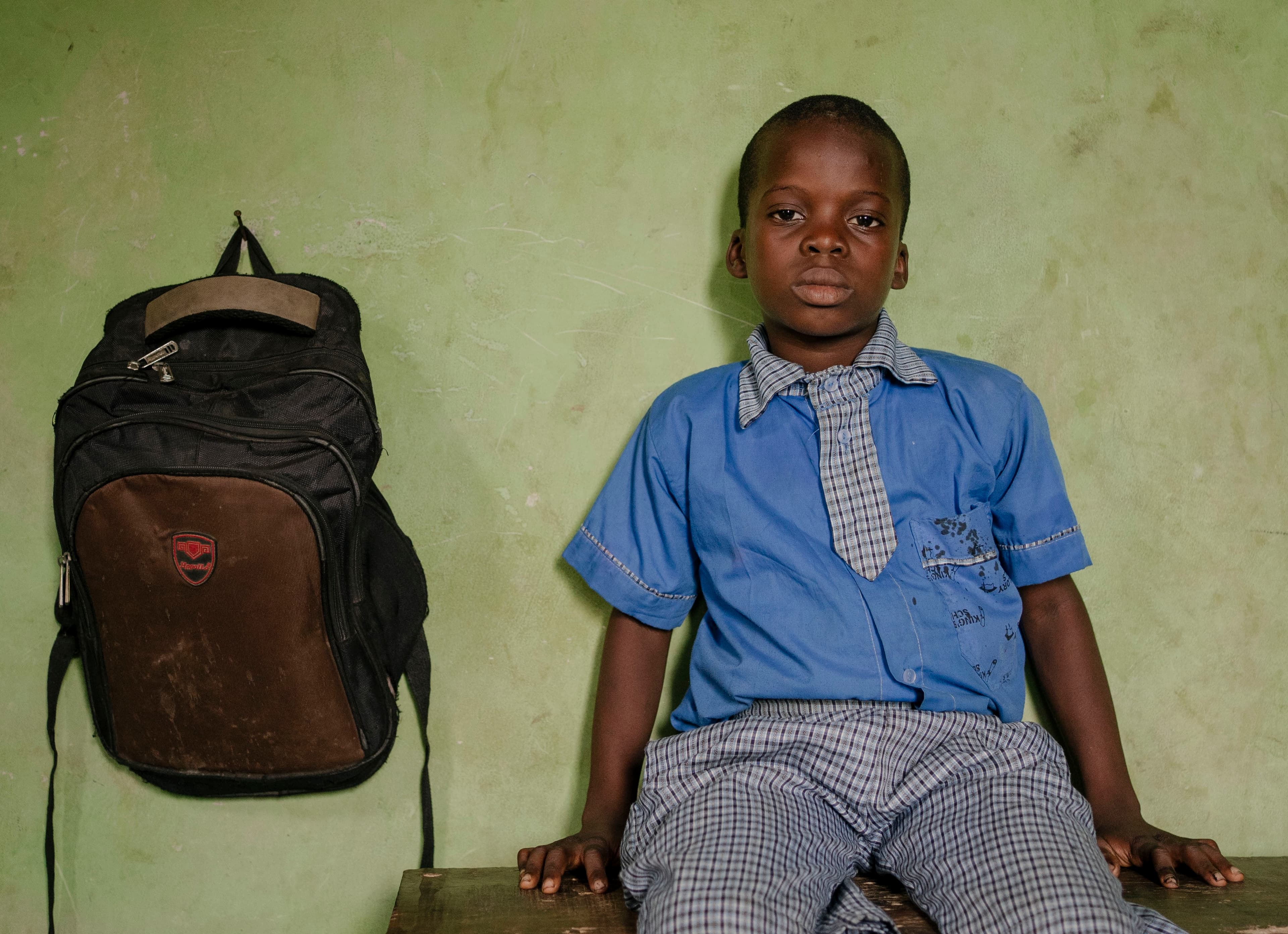
People in Africa’s lead recycling capital have long suspected that the black dust falling from the sky is making them sick. But the extent of the damage to their bodies and their community hasn’t been clear until now.
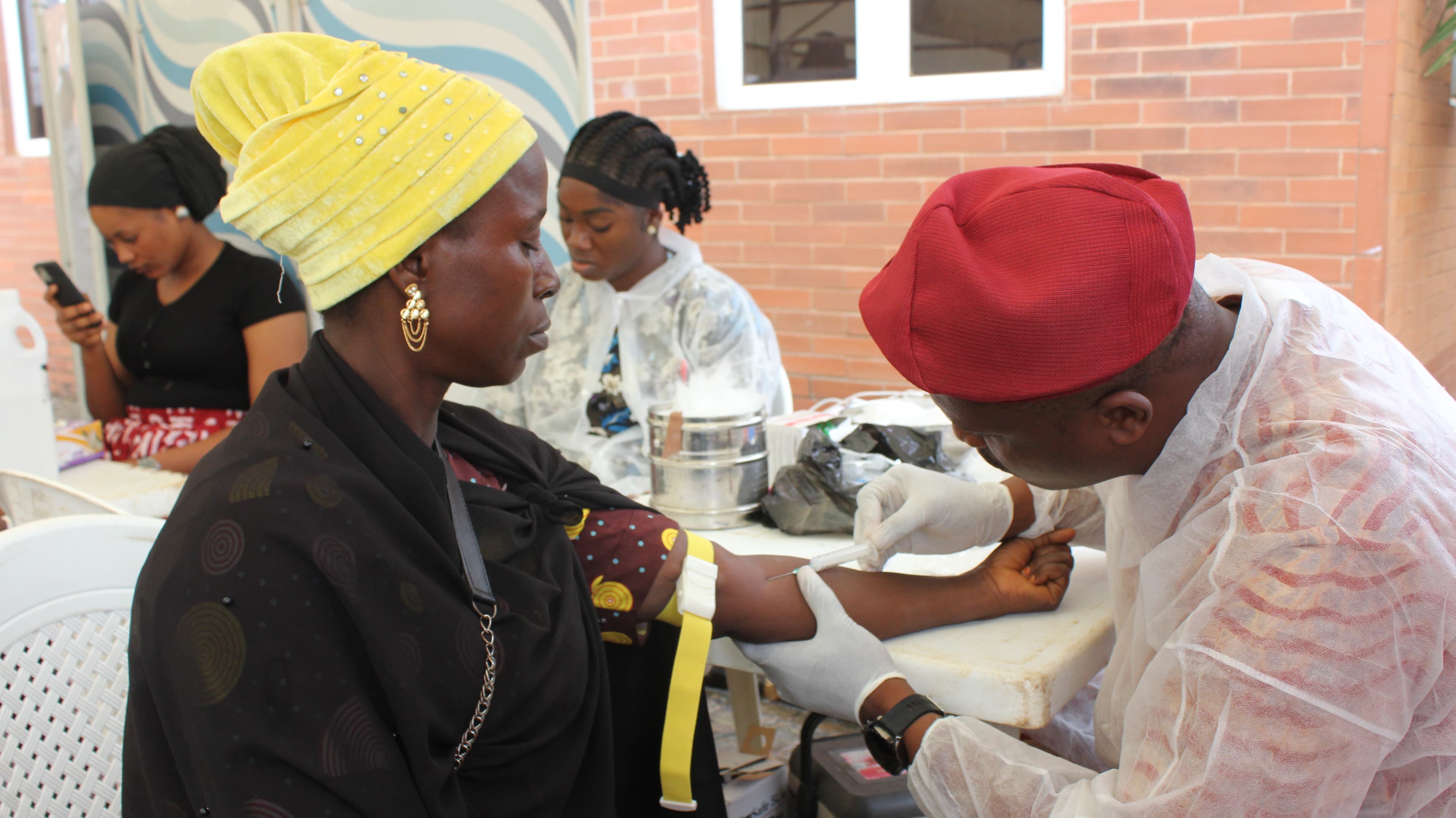
Blood and soil testing confirmed the health consequences. Then we tracked individual shipments to the United States.
Former fracking company CEO Chris Wright played a key role in efforts to roll back workers’ choices in socially conscious ESG investing.
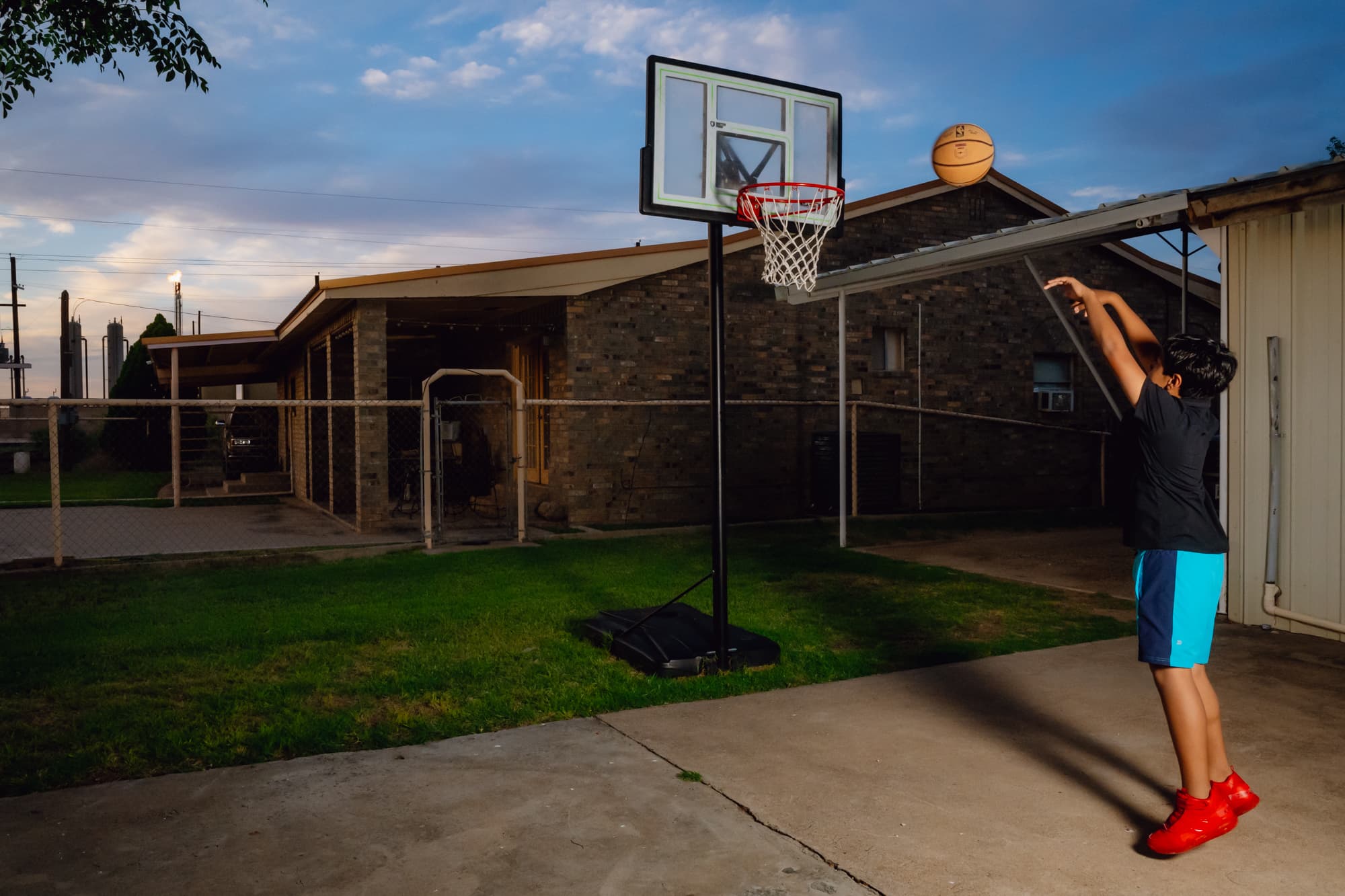
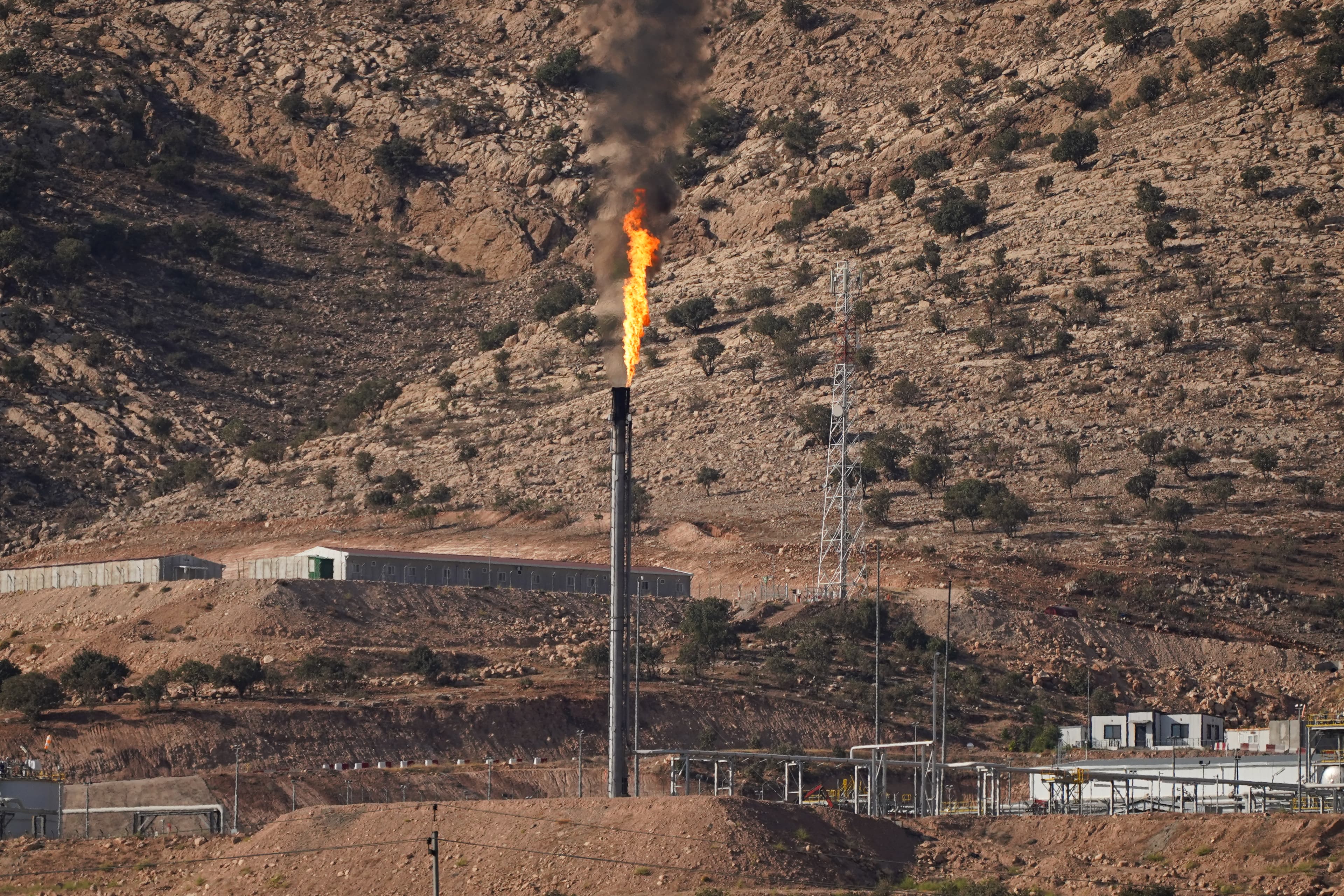
Tens of thousands of people live close to oil and gas wells where they risk exposure to hazardous levels of hydrogen sulfide. Regulators do little to protect them.
Smell H2S gas in Texas? Here’s who you should contact.
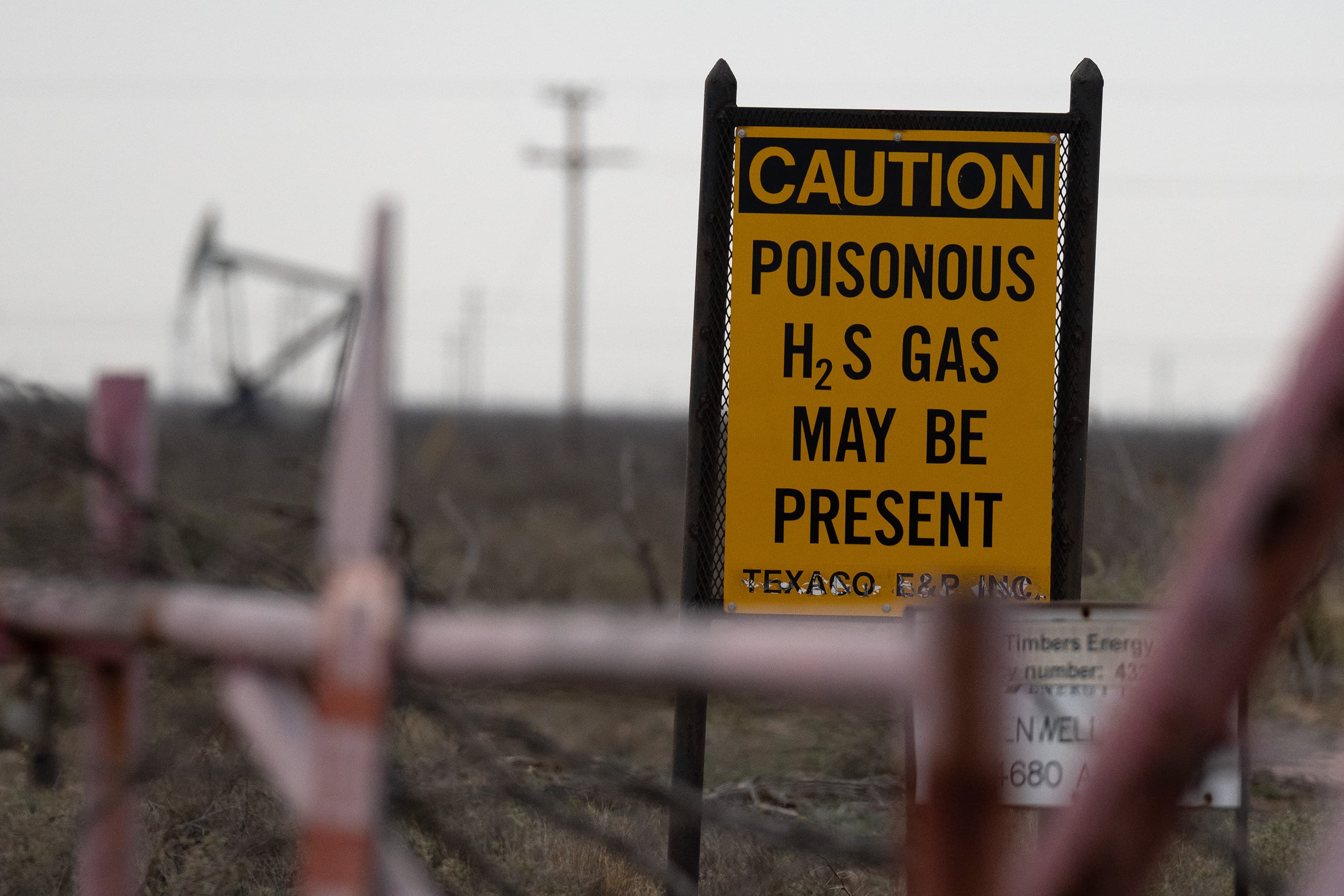
Legislators respond to The Examination and Houston Chronicle investigation of oil companies leaking hydrogen sulfide near families and schools.
A new investigation examines the health threat of H2S, a strong-smelling poisonous gas that saturates the Permian Basin of West Texas and other oil-production regions.
Families near battery recycling plants face “dangerous" levels of lead in their blood and in soil, testing shows.
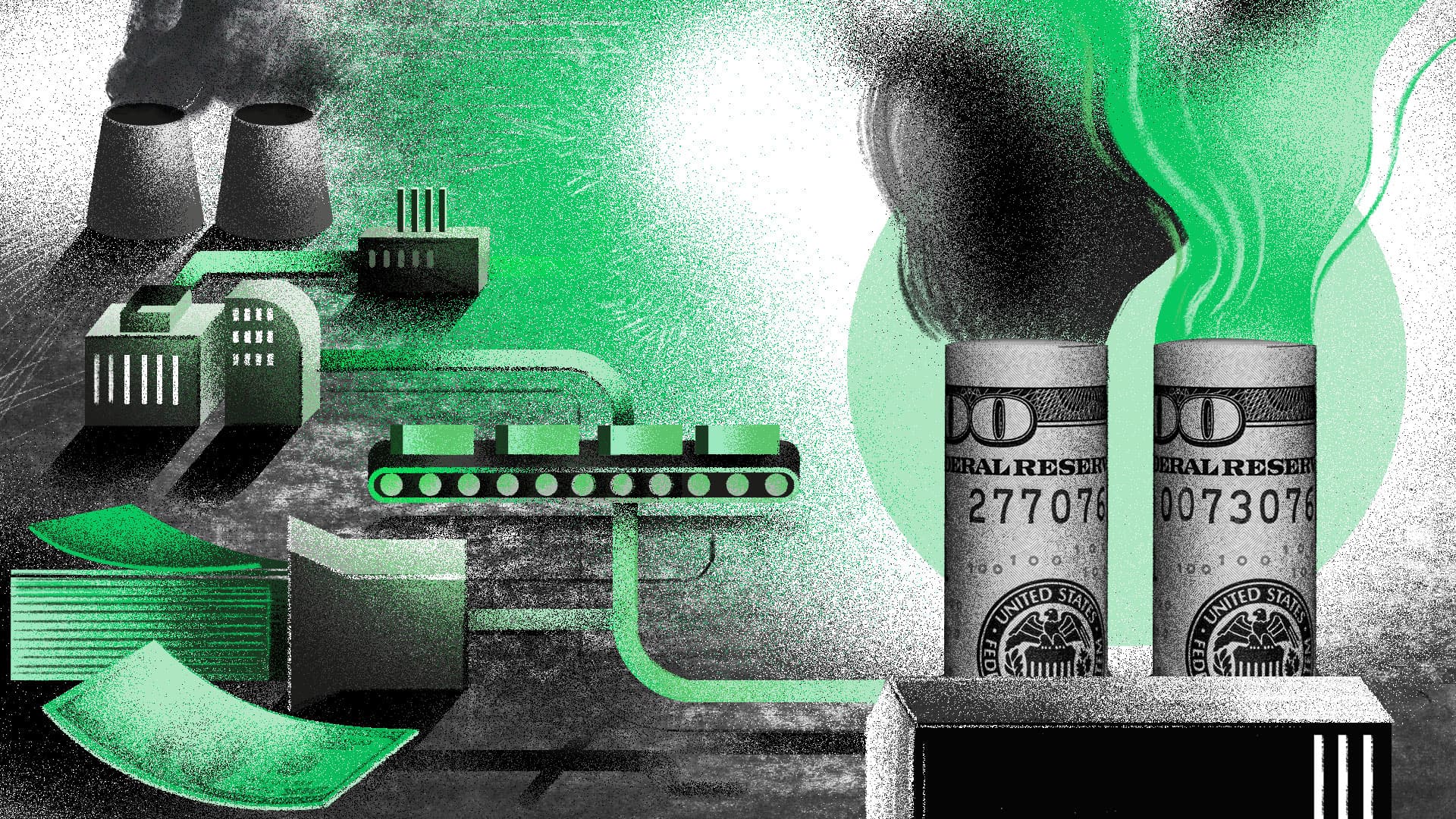
New report details Blackstone and American Securities’ acquisition of firms that sell lead chromate, a toxic compound widely used in poorer countries.
In revelations made to South Korean newsroom Newstapa last year, a former safety manager says he raised concerns about noxious gas and effluent discharges from the factory for years — but was met with inaction.
Les tests révèlent que les familles résidant à proximité des usines de recyclage de batteries présentent des niveaux de plomb « dangereux » dans leur sang et dans le sol.
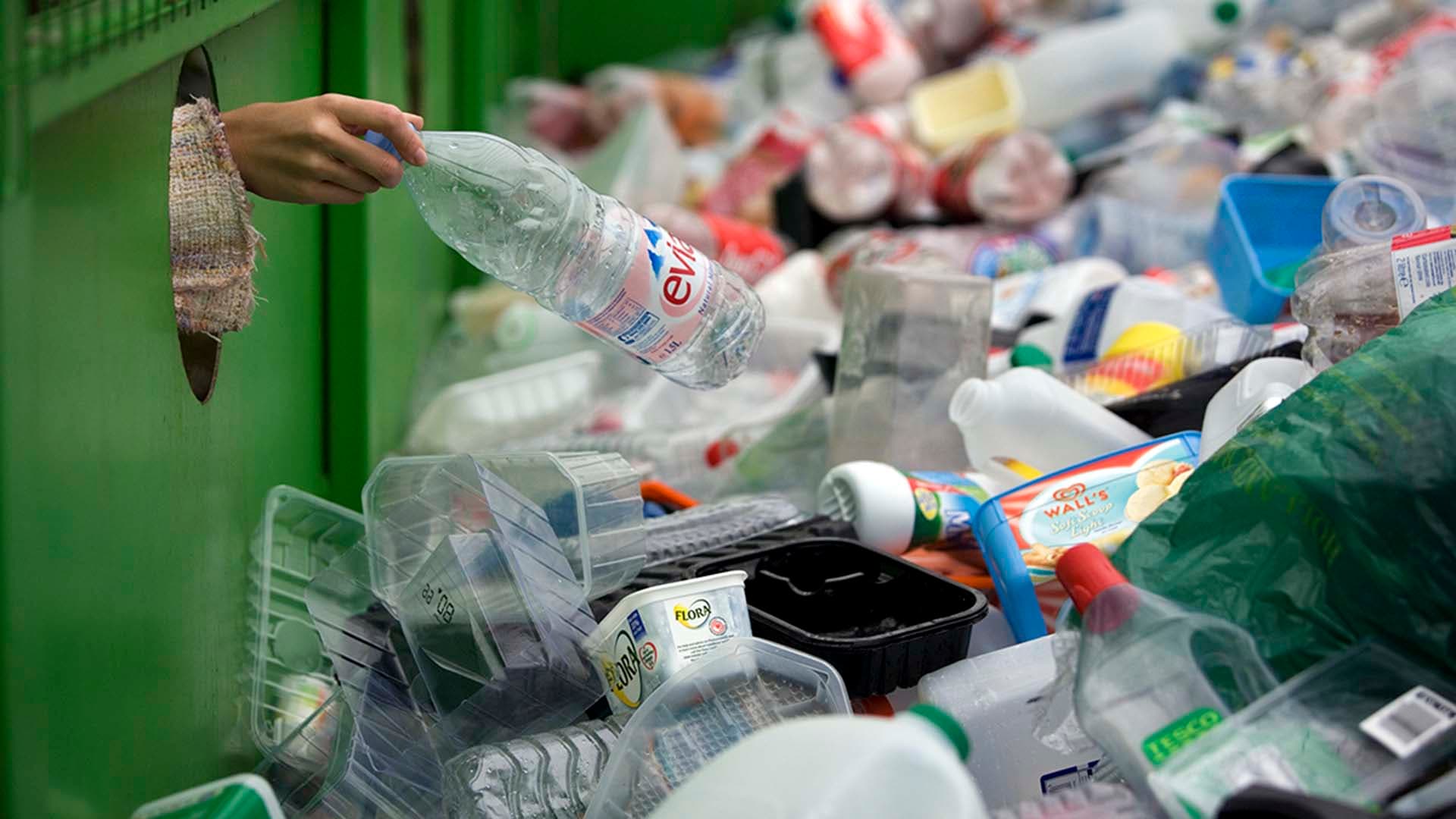
As talks for an international plastics treaty advance at a UN summit in Kenya, little is known about the long-term health risks of the ubiquitous material.
From baby bottles to nonstick pans, U.S. regulators often discover health risks decades after items are released.