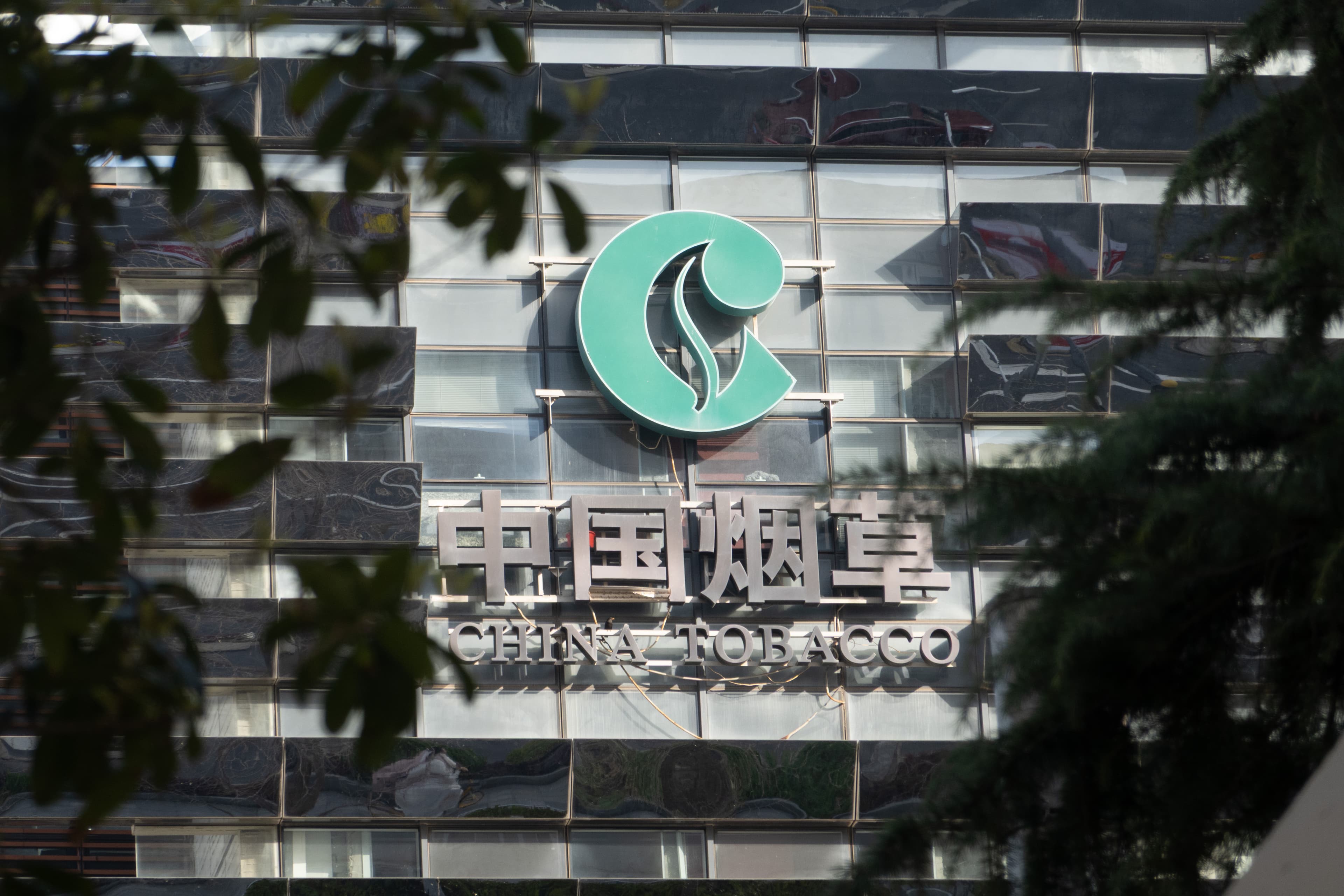
The Examination published our investigation into how China National Tobacco Corp. has undermined efforts to cut down on smoking a couple of years ago, but something has been gnawing at us ever since. Given how large China is, how many people there smoke, and China Tobacco’s near-total dominance of the cigarette market, is it possible that this is the world’s deadliest company?
Spurred by a collaboration with the YouTube channel fern, we decided to see if we could figure it out. Here’s what we did.
We started by digging into a 2023 Lancet study that identified four industries responsible for more than a third of deaths globally due to their contributions to chronic diseases: tobacco, alcohol, ultraprocessed foods and fossil fuels.
Then we went to the latest Global Burden of Disease study. It’s not perfect, but it is among the most widely used data sources in public health, with estimates of hundreds of types of health outcomes, including deaths, for many risk factors. We used the study’s estimates of deaths from tobacco and alcohol going back to 1990.
The Global Burden of Disease does not directly estimate deaths from ultraprocessed foods. We calculated those by combining its data on deaths linked to sodium, sugary beverages, processed meat and trans fatty acids. This approach was used in the 2023 Lancet study and a 2024 World Health Organization report on the commercial causes of noncommunicable diseases.
Nutritionists note that the food categories used by the Global Burden of Disease don't encompass all ultraprocessed foods.
We calculated deaths from air polluters using the Global Burden of Disease’s estimates for outdoor particulate matter pollution and ground-level ozone. This method also was based on the methodology in the Lancet and WHO studies.
Burning fossil fuels is a major source of air pollution, but not the only one. We used research from a 2021 study in the journal Nature Communications to isolate deaths linked to fossil fuel combustion. We then analyzed production data from the oil, gas and coal industries to estimate the contributions of the largest companies in each.
There is huge variability in estimates of the harms of air pollution, and some studies have concluded that the number of deaths from air pollution is substantially higher than the figures in the Global Burden of Disease. Even if that were the case, no single fossil fuel company is large enough to be responsible for a comparable number of deaths as China Tobacco.
Air pollution figures do not include deaths from burning solid fuels in households, which were linked to an estimated 2.8 million deaths worldwide in 2023 alone, according to the Global Burden of Disease. Many of these deaths occur in Africa and Asia and result from indoor cooking over open fires that burn kerosene, wood, animal dung or coal.
Our analysis is based on the concept that a company’s market share reflects its share of the health harm caused by that industry. “Applying global market share to overall attributable risk is a straightforward and defendable way to do this,” said Stanton Glantz, a retired professor and longtime tobacco researcher at the University of California, San Francisco School of Medicine.
In the case of alcohol, tobacco and fossil fuels, market share can be calculated based on the volume of product sold.
It’s harder to isolate the health-harming effects of some ultraprocessed foods at the company level, especially given that sodium and trans-fatty acids are ingredients rather than end products. Data on volumes of such ingredients sold by major companies is not publicly available. Instead, for ultraprocessed food companies, we based market share on company revenue.
With the exception of China’s cigarette monopoly, market share in these industries has changed over time. We considered that and determined those changes weren’t significant enough to alter our findings.
Subscribe to our newsletter
Global health reporting, straight to your inbox
When comparing deaths caused by China Tobacco to those caused by other industries, we used the Global Burden of Disease’s low estimate of tobacco-related deaths in China and the high estimates for deaths related to other industries.
As with the research that guided our work, our methodology does not account for deaths associated with other types of pollution and contamination, including exposure to asbestos and lead. Occupational exposure to asbestos caused 233,000 deaths worldwide in 2023 — a tiny fraction of tobacco deaths — according to the Global Burden of Disease.
Lead exposure was responsible for 3.4 million deaths worldwide. Much of that is tied to past uses of the metal in paint, water systems and construction, though some exposure also occurs from ongoing, unsafe lead recycling. Again, there is no sign that any single company tied to lead exposure is or was dominant enough to rival China Tobacco’s role in tobacco deaths.
Watch: The World's Deadliest Company
A look at how tobacco shapes Chinese state economics, and its devastating effects on public health. This video was produced by the YouTube channel fern, based on original reporting by The Examination.
We looked at deaths linked to other industries too, including gun manufacturers, defense contractors and the pharmaceutical companies that spurred the opioid crisis. None compared to the industries that cause chronic illnesses like cancer, stroke and heart disease.
We sought comments from China Tobacco and all the companies named in our story; none responded.
Throughout our reporting, we sought advice about our methodology and other issues from experts including Lisa Bero of the University of Colorado Anschutz (who is a member of The Examination’s scientific advisory committee); Adam Bertscher of King’s College London; Nicholas Chartres of the University of Sydney; Jappe Eckhardt of the University of York; Stanton Glantz, the founding director of the Center for Tobacco Control Research and Education at the University of California, San Francisco; and Tracey Woodruff of Stanford University (who is on The Examination’s board of directors).