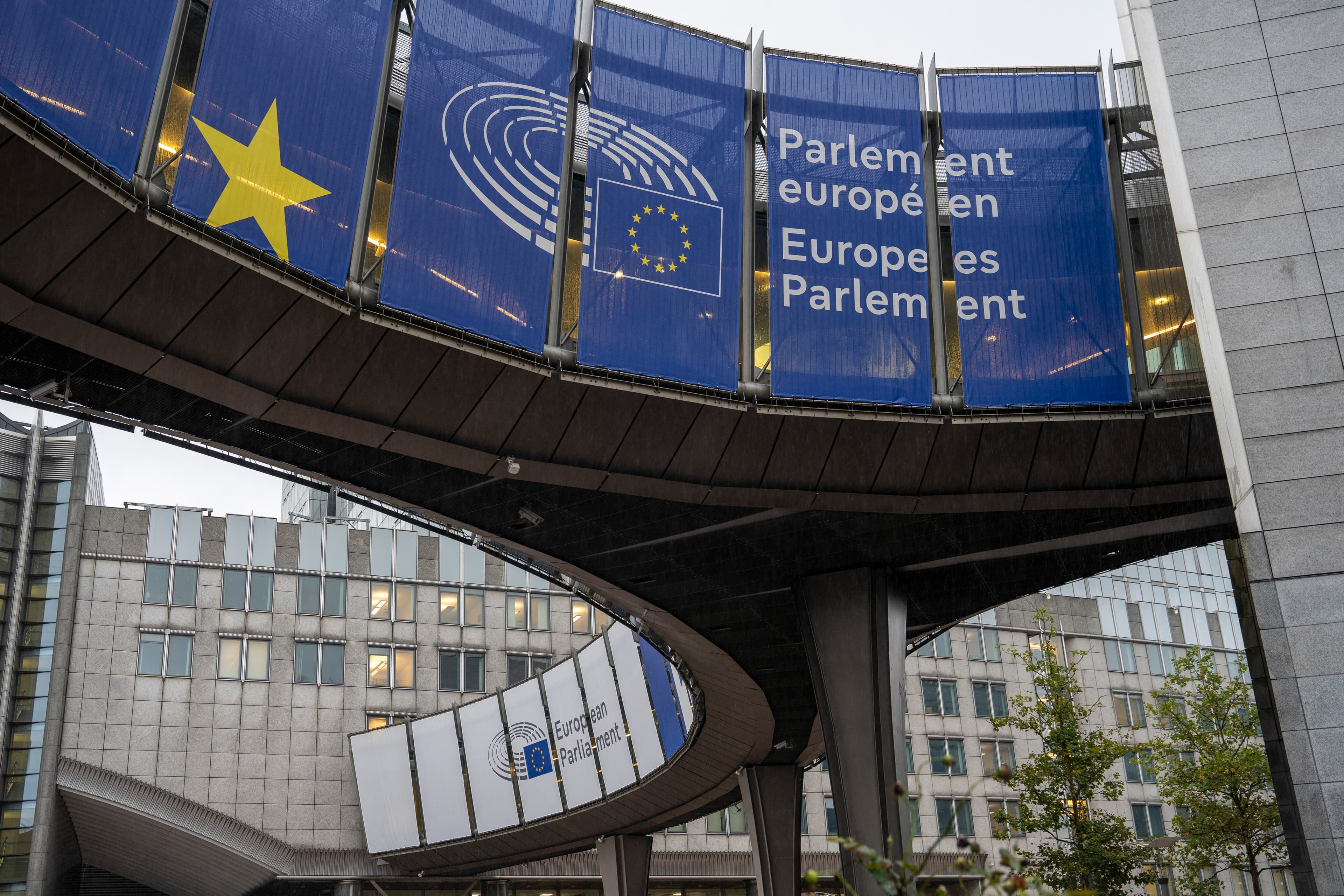
European lawmakers are demanding that the European Commission explain its dealings with the tobacco giant Philip Morris International after a joint investigation by The Examination and POLITICO uncovered at least six undisclosed meetings, which could violate a global anti-tobacco treaty.
Nicolas González Casares, a member of the European Parliament (MEP), submitted written questions asking the Commission to account for meetings that Commission trade staff had with Philip Morris between September 2022 and December 2024. Four other MEPs have demanded the Commission answer those questions. All five have urged Commission officials to appear before Parliament’s health committee, SANT, for questioning.
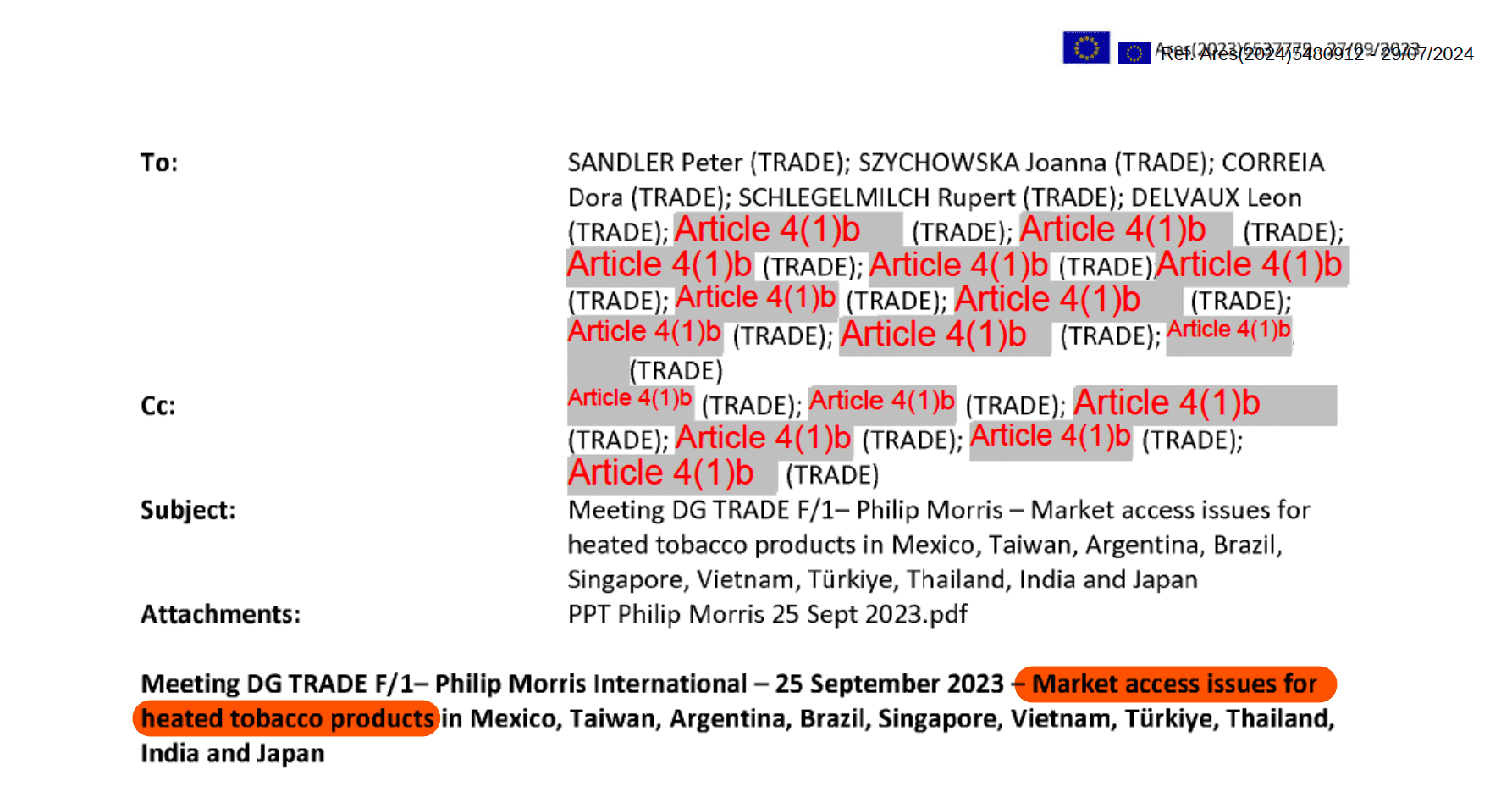
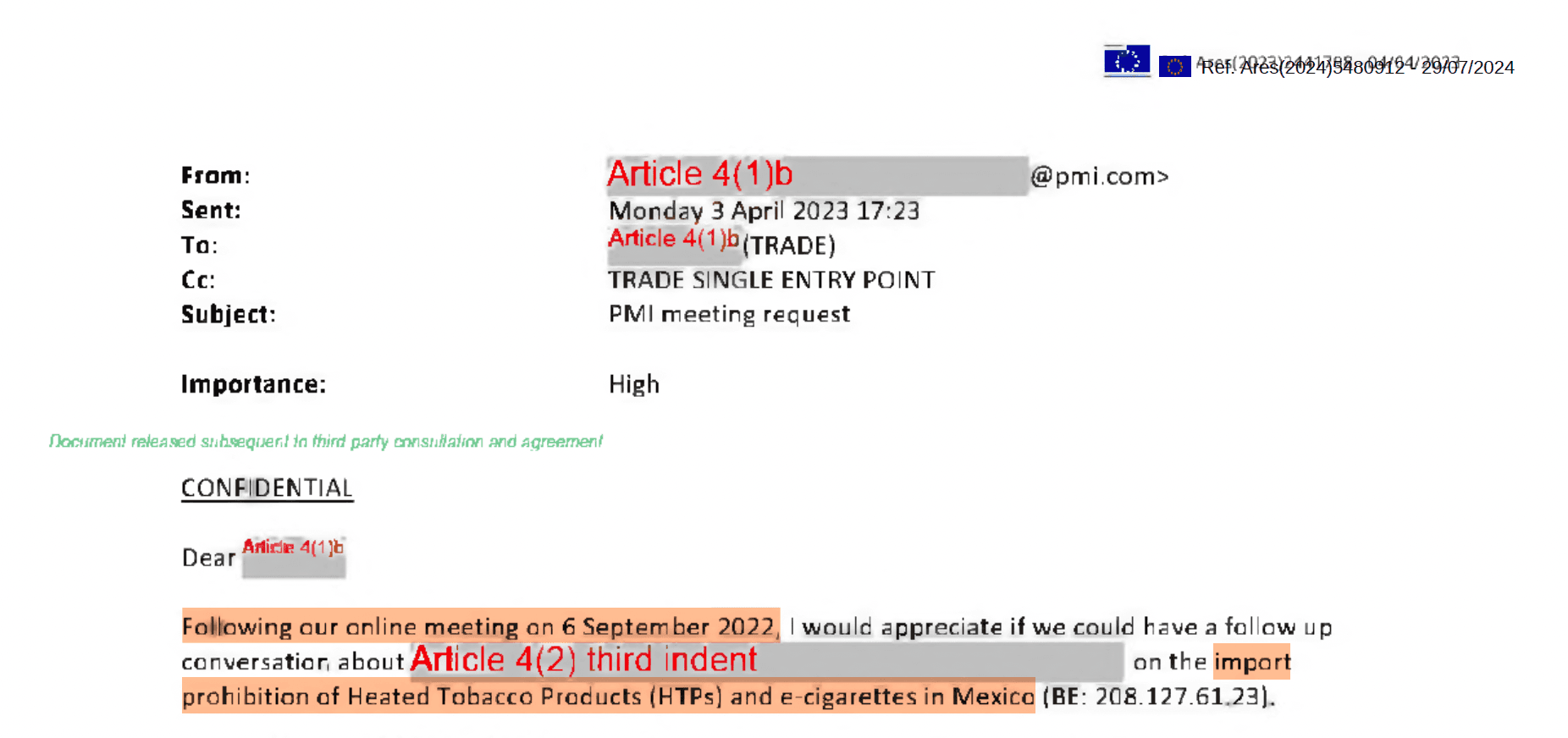
Documents reviewed by The Examination show that Philip Morris sought EU officials’ assistance in weakening regulations or setting favorable tax rates on its products in 10 countries outside the EU. On at least three occasions, The Examination and POLITICO found, Commission officials took actions that would have benefited the U.S.-based company.
Subscribe to our newsletter
Global health reporting, straight to your inbox
“This is a very serious matter, and if the published reports are confirmed, it would be grave,” Casares told POLITICO. “Those responsible should appear before the Health Committee and submit to parliamentary questioning and scrutiny about these activities.”
Casares, a member of the Progressive Alliance of Socialists and Democrats party, filed his request for information last month. Among other things, he wanted to know how many “meetings or exchanges Commission officials have had with PMI or its representatives since 2020, including meetings related to trade or market access issues in third countries.”
He wrote that the interactions “appear to conflict with the EU’s obligations under the Framework Convention on Tobacco Control, which requires public authorities to protect public health policies from the vested interests of the tobacco industry and to ensure transparency.”
The FCTC is a global tobacco control treaty aimed at curbing tobacco use and reducing smoking-related deaths. The EU signed the treaty in 2005.
A spokesperson previously said that the Commission “strictly follows” the treaty guidelines, that tobacco products are covered by EU trade policy, and that the Commission can negotiate tariffs and trade rules. The Commission did not respond to later questions regarding Casares’ written request.
The MEPs who echoed Casares’ call are Barry Andrews of Renew Europe, who chairs Parliament’s development committee, health committee chairman Tilly Metz, of the Green Party, and members Romana Jerković, also of the Socialists and Democrats, and Stine Bosse, also of Renew Europe.
Under European Parliament rules, the Commission has six weeks to respond to the written inquiry, which was submitted Dec. 15. Commission members could be called to testify before the health committee, but no hearing has been set.
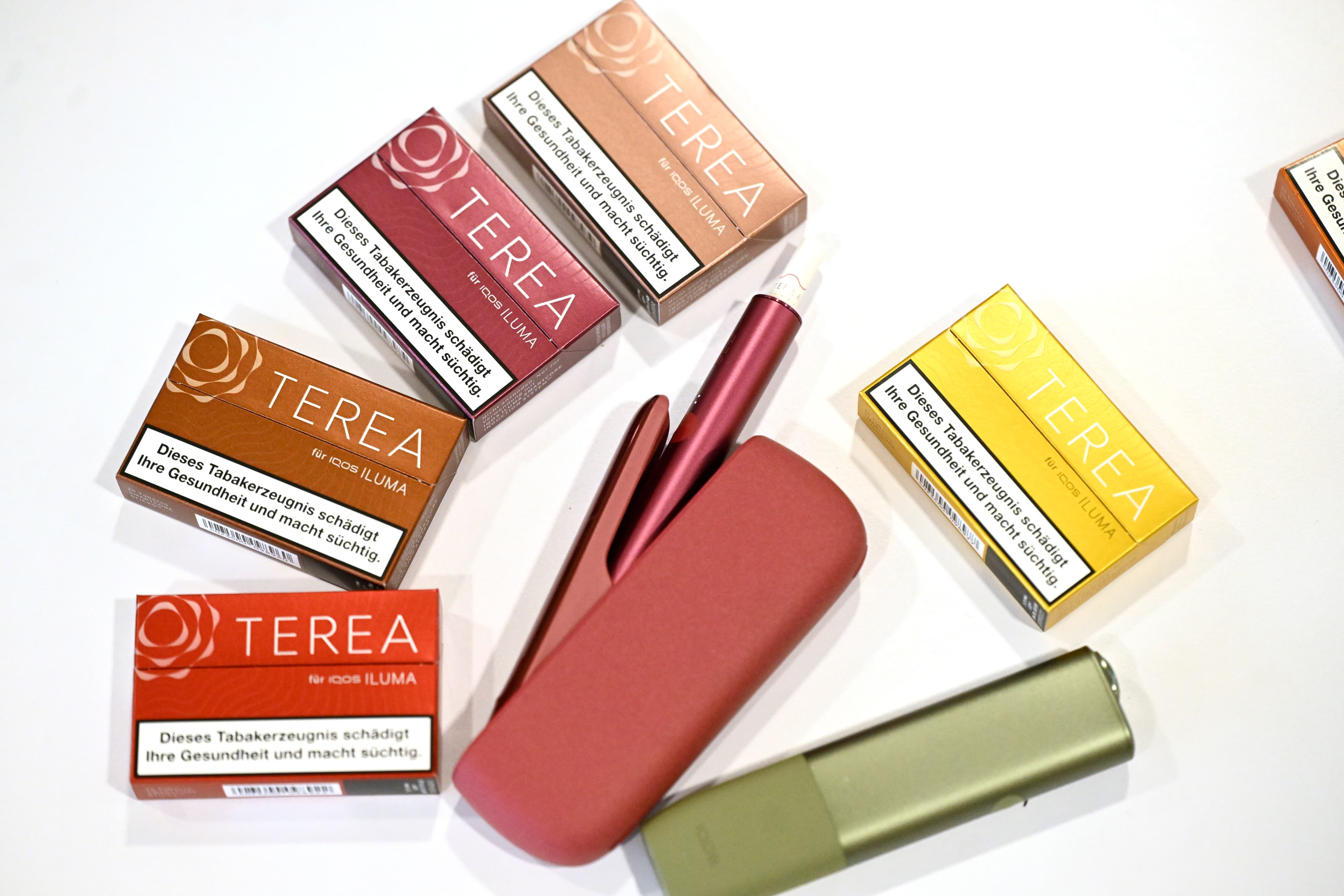
According to the documents, Philip Morris International’s lobbying largely focused on weakening or overturning regulations in non-EU countries, particularly restrictions on IQOS, key to what a company executive has called its “dream team” of nicotine products. The documents were released through public information requests by the French anti-tobacco group Contre-Feu.
The device heats tobacco sticks rather than burning them, which the company claims reduces exposure to certain toxic chemicals compared to cigarettes. However, the long-term health effects remain unknown.
Several countries have banned heated tobacco products, prompting Philip Morris International to challenge restrictions through lawsuits and lobbying. The company sought the EU’s help in Argentina, Brazil, India, Japan, Mexico, Singapore, Taiwan, Thailand, Turkey and Vietnam.
Philip Morris International did not previously answer questions from The Examination and POLITICO about its dealings with EU officials. On its website, the company says it shares its perspectives with policymakers and it is “particularly active with respect to policies regarding less harmful alternatives to cigarettes, trade and fiscal matters, and intellectual property.”
In a written statement, Andrews urged the Commission to respond promptly and said he supports a hearing. “Tobacco kills more than 7 million people globally each year,” he said, “and as Chair of the Parliament's Development Committee, I am especially concerned as 80% of tobacco users live in low and middle-income countries.”
Andrews said interactions with the tobacco industry should be “strictly limited, and only occur if necessary to regulate the industry.” If such interactions must occur, they must be transparent, he said.
Guidelines to implement the FCTC say that when setting and implementing public health policies, governments should restrict their dealings with the tobacco industry and, whenever possible, disclose any meetings. None of the meetings with Philip Morris International cited in the documents were disclosed, according to The Examination and POLITICO ’s review of the EU’s disclosure websites.
A major concern for Philip Morris International was Mexico’s ban on heated tobacco. After meetings in which the company complained that the ban violated free trade agreements, EU officials published a notice calling the ban a possible barrier to free trade. A Commission spokesperson said no further action was taken.
In Turkey, Philip Morris International urged EU officials to raise concerns about the country’s cigarette tax rate and its requirement that cigarettes contain a minimum amount of local tobacco leaves. Commission officials complied, flagging both issues in a high-level report and a World Trade Organization review of Turkey’s trade practices.
In a follow-up email, a Philip Morris International representative thanked EU officials for their actions, saying they were “of great help to us.” However, the Examination and POLITICO found no evidence that the 10 countries ultimately changed their tobacco taxes or regulations as a result of the EU’s actions.
Health committee Vice Chairman Metz and committee members Bosse and Jerković said they also want answers.
In an interview, Metz said she was “shocked” to learn of the meetings. They demonstrate “once again why we need stricter and clearer guidelines” across the Commission to “ensure full compliance with the FCTC,” she said. Metz said tobacco companies cannot use trade issues as a way to influence health policies.
“The tobacco industry has been routinely using lobbying to delay and weaken regulation, despite overwhelming evidence of harm,” Jerković told POLITICO in a statement. “The EU must respond to it and protect its citizens.”
Bosse wrote in an email to The Examination that she works every day to ensure fewer Europeans start smoking. “I believe it would reflect well on the Commission if it pursued the same objective and demonstrated full transparency to the health committee."
Claudia Chiappa and Rory O’Neill of POLITICO contributed reporting.
Clarification: This article has been updated to say that the documents reviewed by The Examination were released by the European Commission in response to public records requests from the French anti-tobacco group Contre-Feu.