The tobacco industry has extended its unbeaten streak against lawsuits brought by governments seeking to recover the costs of medical care for smokers.
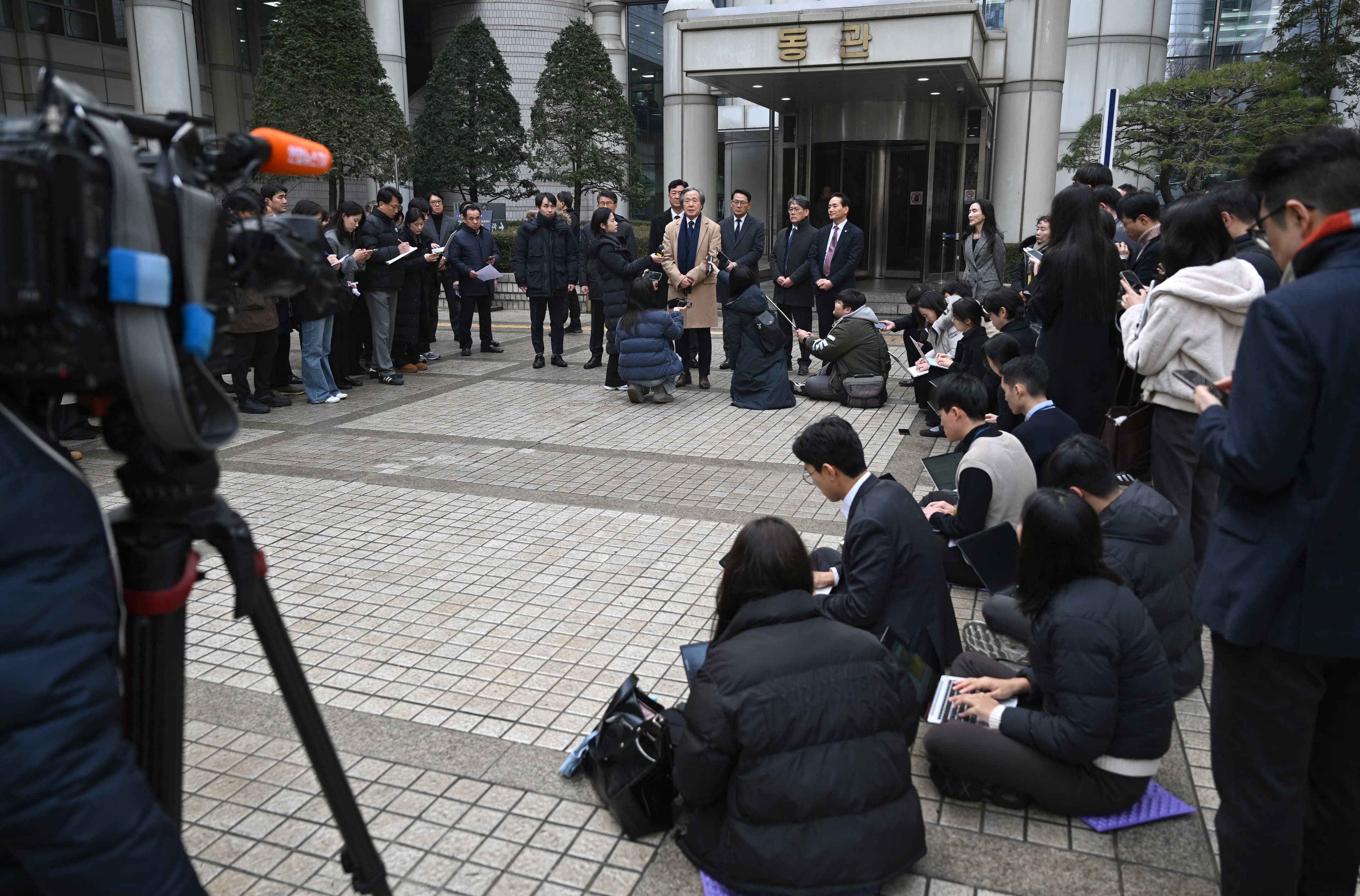
On Jan. 15, an appellate court in South Korea upheld a 2020 ruling dismissing a 53.3 billion won ($36.5 million) suit by the government health insurer against South Korea-based KT&G and the Korean units of Philip Morris International and British American Tobacco.
“It’s truly regrettable and miserable,” Jung Ki-suck, the president of South Korea’s National Health Insurance Service, said in a press conference after the decision. “Our citizens who have suffered…are still in hospital beds, in pain and dying. More than 40,000 of our citizens get lung cancer every year.”
The insurer has vowed to appeal to South Korea’s Supreme Court. But history is not on its side. Since the major tobacco companies settled dozens of lawsuits brought by U.S. state attorney generals in the late 1990s, at least 60 national, regional and local governments in 21 countries have filed similar suits.
With the exception of provincial and territorial governments in Canada, which started receiving billions in compensation in August from a settlement, virtually all of these cases were dismissed, dropped or are mired in legal purgatory. There are no cases where a government went to trial against the industry to recoup medical expenses and won at trial, according to an extensive review by The Examination.
Subscribe to our newsletter
The South Korea public health insurer encountered challenges similar to those that sank such suits elsewhere, including the previous determination by several courts that governments lack standing to sue on their own behalf because they can’t show they suffered direct harm as a result of the industry’s actions. The court ruled that the insurer was responsible for paying medical costs to treat smoking-associated diseases because it is legally obliged to cover patients.
The insurer’s argument that smoking caused the patients’ diseases also failed. The lawsuit had purposely focused on the costs incurred from treating a very narrow set of cancer patients who had been long-time smokers.
The case involved payments for 3,465 patients diagnosed with small cell and squamous cell lung cancer as well as squamous cell cancer of the larynx. Cigarette smoke causes virtually all cases of small cell lung cancer, according to Johns Hopkins School of Medicine. Some studies have found that more than 90% of squamous cell lung cancer and squamous cell laryngeal cancers are associated with smoking.
Still, the Seoul High Court said it could not find a “significant causal relationship” between the industry’s actions and the insurer’s payments for lung and laryngeal cancers in smokers. It went on to explain that an epidemiological link that showed smoking was closely correlated to lung cancer was not sufficient to show that it was a cause of any particular individual’s illness.
The damages sought in the case were just a tiny fraction of the medical costs of smoking in South Korea. Smoking-related medical spending in the country totaled $30 billion between 2014 and 2024, according to a recent study in The Lancet.
A spokesman for British American Tobacco said the company “respects” the appellate ruling and would not comment further. KT&G and Philip Morris International did not respond to messages seeking comment.
Had the court recognized that even a few of the lung cancer cases had been caused by smoking, it would have opened the door to subsequent lawsuits, said Sungkyu Lee, the executive director of the Korea Center for Tobacco Control Research and Education, in an email.
That it had not was a disappointment, given the importance of judicial precedents in South Korea. “If rulings like this continue to accumulate, they may eventually prevent future generations from even attempting to bring similar lawsuits,” he said.