In January 2025, a 14-year-old Bulgarian boy fell from a seventh-floor window after suffering a bad reaction to a vape that contained a synthetic drug similar to marijuana.
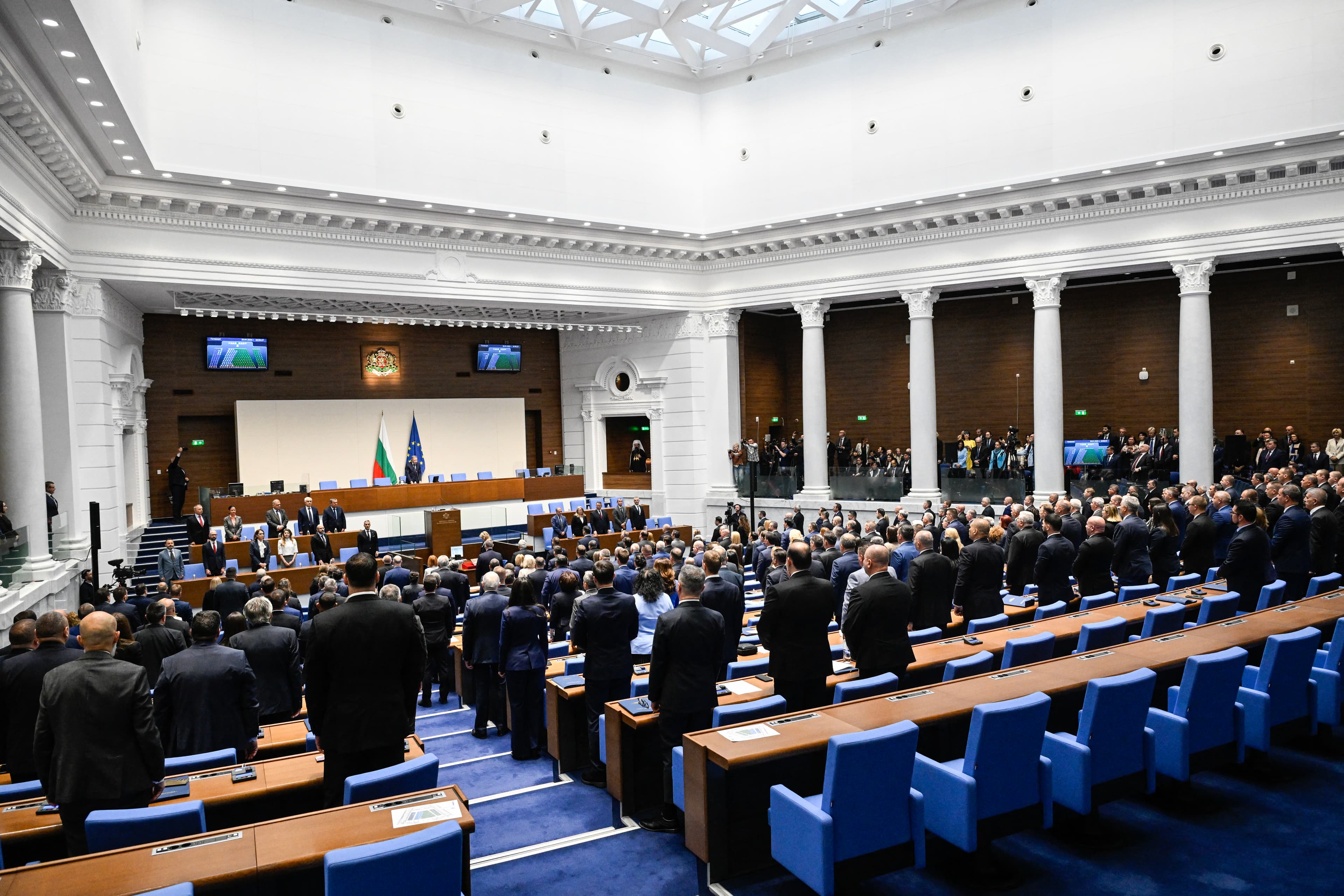
His death sparked a national outcry and within weeks, the country’s parliament unanimously approved the first draft of a law banning all types of e-cigarettes.
Enter the U.S. Chamber of Commerce’s Bulgarian affiliate. The business organization penned a four-page letter to a parliamentary committee, decrying the vape ban and echoing arguments made by the tobacco industry. Banning all e-cigarettes would fuel the black market and reduce taxes from the sale of legal devices, wrote Ivan Mihaylov, chief executive officer of the local American Chamber. He praised vape-selling tobacco multinationals in the country, noting they pay taxes and conduct social initiatives.
That effort is just one of the many ways that American Chambers of Commerce, or AmChams as the locally-governed groups are known, serve the global interests of the tobacco industry. A new report published in BMJ Tobacco Control, written by researchers with the Bangkok-based Global Center for Good Governance in Tobacco Control, attempts to measure how much those groups have aided the industry.
The authors examined 103 AmChams and found that 80 had tobacco companies as members. At least a quarter of those had tobacco executives in leadership or “distinguished” roles, and most groups took at least one pro-industry position between 2010 and 2025.
In Bulgaria, The Examination found, lawmakers replaced the proposed vape ban with a less restrictive bill. While it outlawed disposable e-cigarettes, it allowed the sale of rechargeable vapes such as those made by Imperial Brands and British American Tobacco, both members of the American Chamber of Commerce in Bulgaria. The law contained no restrictions on sweet and fruity flavors, which research shows are a powerful draw for teens.
What happened in Bulgaria came a decade after healthcare conglomerate CVS Health publicly quit the U.S. Chamber of Commerce following a New York Times article detailing similar lobbying activities by the business group’s overseas affiliates in Nepal, Uruguay and elsewhere.
American Chambers are valuable to tobacco companies for several reasons. Diplomats from U.S. embassies are frequently honorary leaders or guest speakers, giving the membership-based business groups a quasi-official association with an economic superpower. As the authors of the BMJ Tobacco Control article note, lobbyists with American Chambers have undermined efforts to uphold a global anti-tobacco treaty, which bars Bulgaria and 184 other governments from allowing the industry to influence health policy.
“They renormalize the tobacco industry,” said Mary Assunta, a co-author of the article and head of research and advocacy at the Global Center for Good Governance in Tobacco Control.
Subscribe to our newsletter
Global health reporting, straight to your inbox
And since their membership includes a wide array of firms — in Bulgaria, five of the country's 10 largest private employers are members — American Chambers lend the broader business community’s stamp of approval to pro-tobacco policy positions.
The U.S. Chamber of Commerce and its Bulgarian affiliate did not respond to questions for this article. On its website, the U.S. Chamber describes AmChams as part of its federation and said they operate as “independent, non-profit, business organizations.”
The tobacco industry, for its part, does credit American Chambers with validating and amplifying corporate messaging.
Malaysia’s AmCham was among the groups that the BMJ report cited as being influenced by the tobacco industry.
“The Chamber provides credibility, scale, and a platform for advocacy that individual companies may not be able to achieve on their own,” said Naem Shabaab Khan, the managing director of Philip Morris International’s Malaysia and Singapore operations and a board member of the Malaysia AmCham, in an interview on the group’s website.
The groups do more than just legislative work. American Chambers serve a useful role in framing policy for the tobacco industry.
Take the illicit tobacco trade, an area where the World Health Organization has found that the “tobacco industry and its allies frequently make exaggerated claims about the size and scope” in order to counter arguments for higher taxes.
In Ukraine, the local American Chamber held a conference in 2023 on illegal trade attended by members of parliament, officials with key government ministries, executives from companies such as Japan Tobacco International and representatives of Kantar, a market research firm with close ties to the tobacco industry. Ukrainian law enforcement has since cited Kantar data in multiple policy documents detailing the impact of tobacco smuggling.
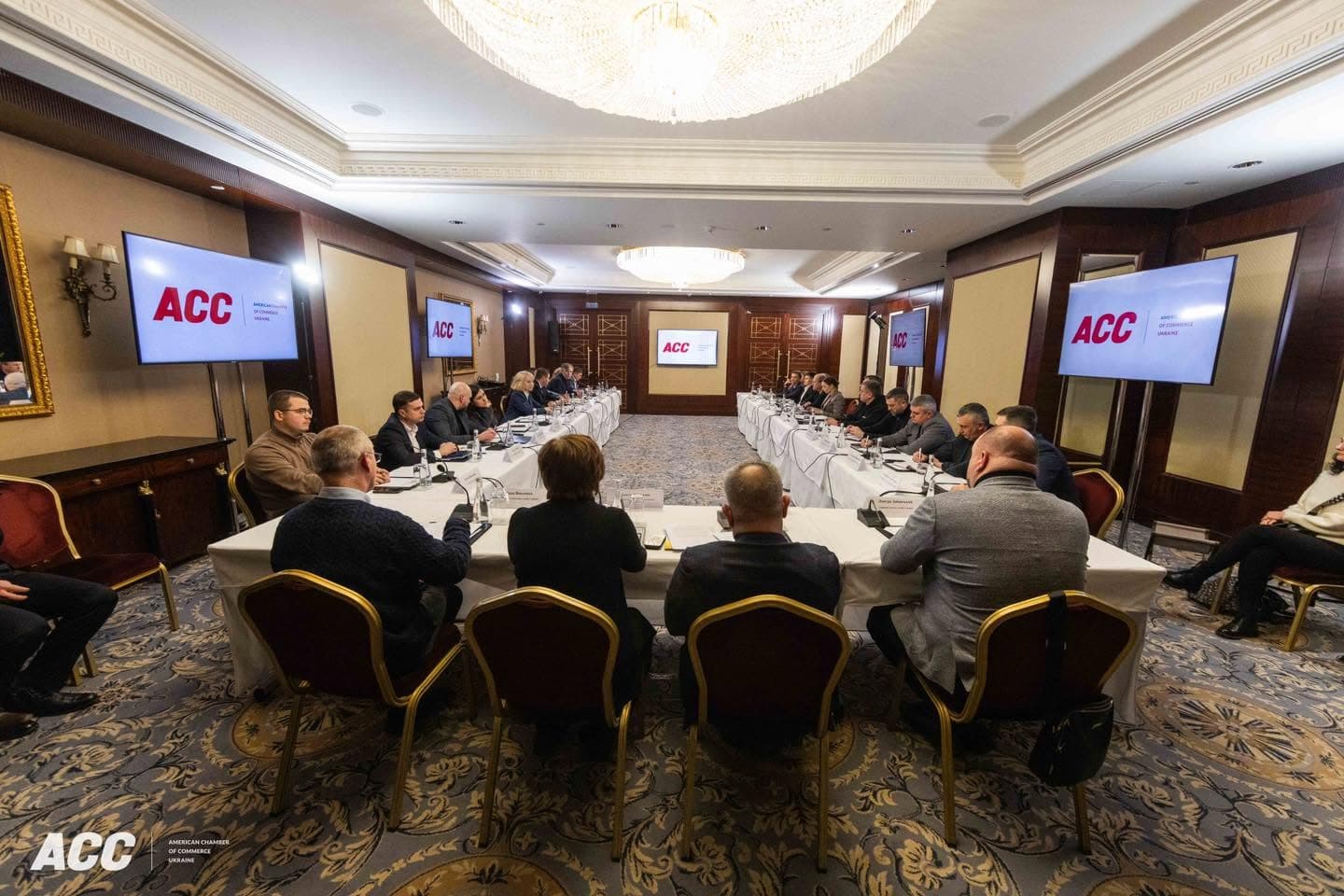
The chambers have helped advance an industry argument that it would like smokers to quit buying its cigarettes and instead use new, “reduced-risk” nicotine products. In Malaysia, the local chamber organized a networking event at Philip Morris International’s office in 2023 so its members could learn about the Marlboro-maker’s “smoke-free” transformation and view a demonstration of its IQOS heated tobacco product.
Neither the Ukrainian nor the Malaysian chambers responded to requests for comment.
The BMJ Tobacco Control report also highlights how American Chambers can greenwash the industry’s reputation, spotlighting sustainability initiatives in a way that distracts from its widespread health harms.
In Serbia, where an estimated 18,000 people die each year of tobacco-related illnesses, an article featured in the environmental and social justice “champions” section of the local American Chamber’s website celebrated efforts by the country’s largest cigarette factory to use renewable energy and conserve water, The Examination found. The factory produced 28 billion cigarettes last year and is operated by Philip Morris International, a patron member of AmCham Serbia.
Serbia’s American Chamber told The Examination that it rejects the contention that it serves as a platform to launder the reputation of a deadly industry. “Sharing factual information about measurable environmental practices — such as renewable energy use, water conservation, recognized standards, certifications or awards — is not greenwashing,” it said in an emailed statement sent by Nikola Popov, a communications manager for the group.
In the future, the BMJ Tobacco Control report argues, government officials should be on alert to American Chambers’ advocacy for tobacco interests. Where applicable, the report says, public officials “should denounce and denormalise partnerships with AmCham in light of the tobacco industry links established.”
The Global Center for Good Governance in Tobacco Control receives funding from Bloomberg Philanthropies, which also provides support to The Examination. The Examination operates independently and is solely responsible for its content.
Correction: An earlier version of this article had an incorrect job title for Mary Assunta. Her correct title is head of research and advocacy at the Global Center for Good Governance in Tobacco Control.