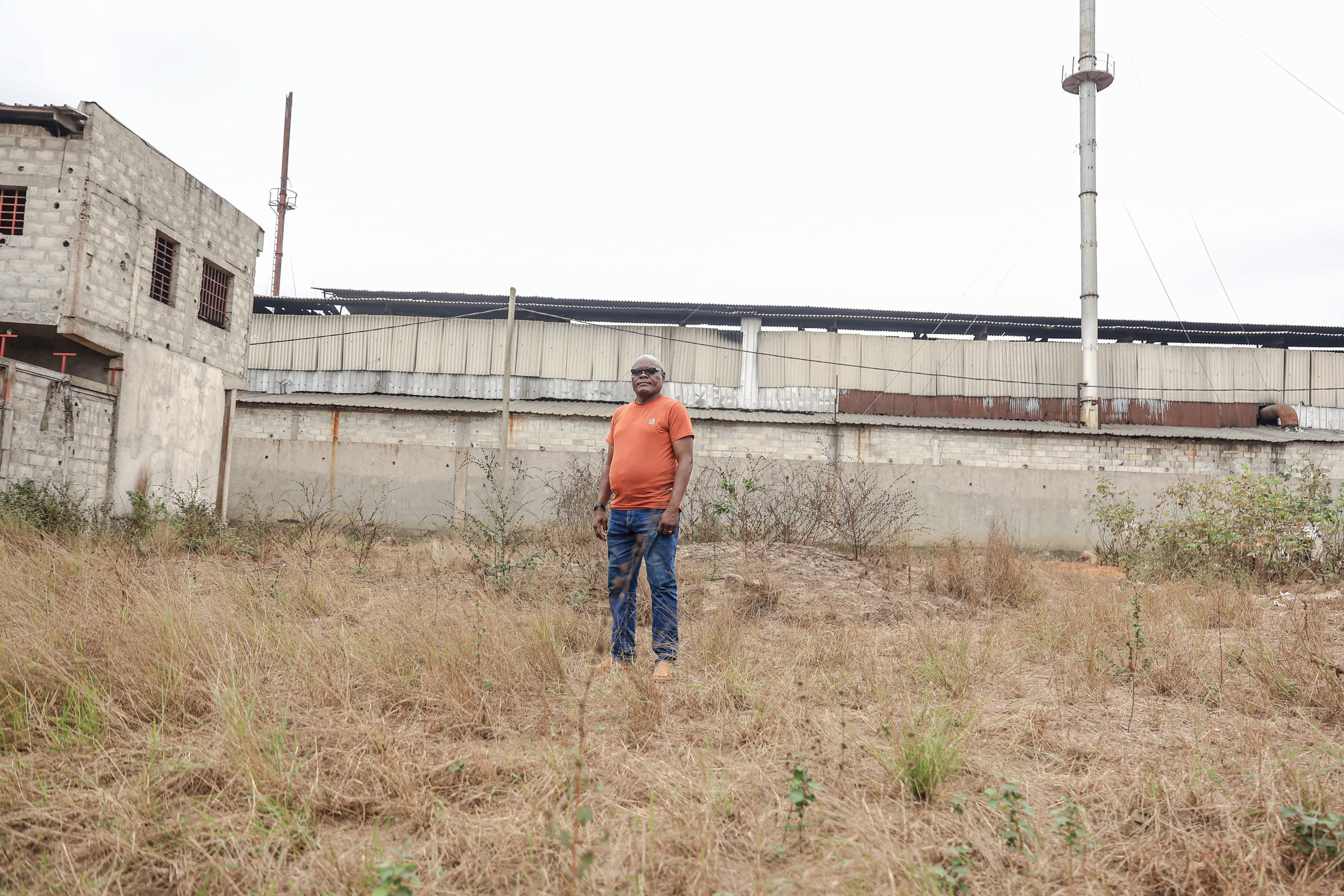
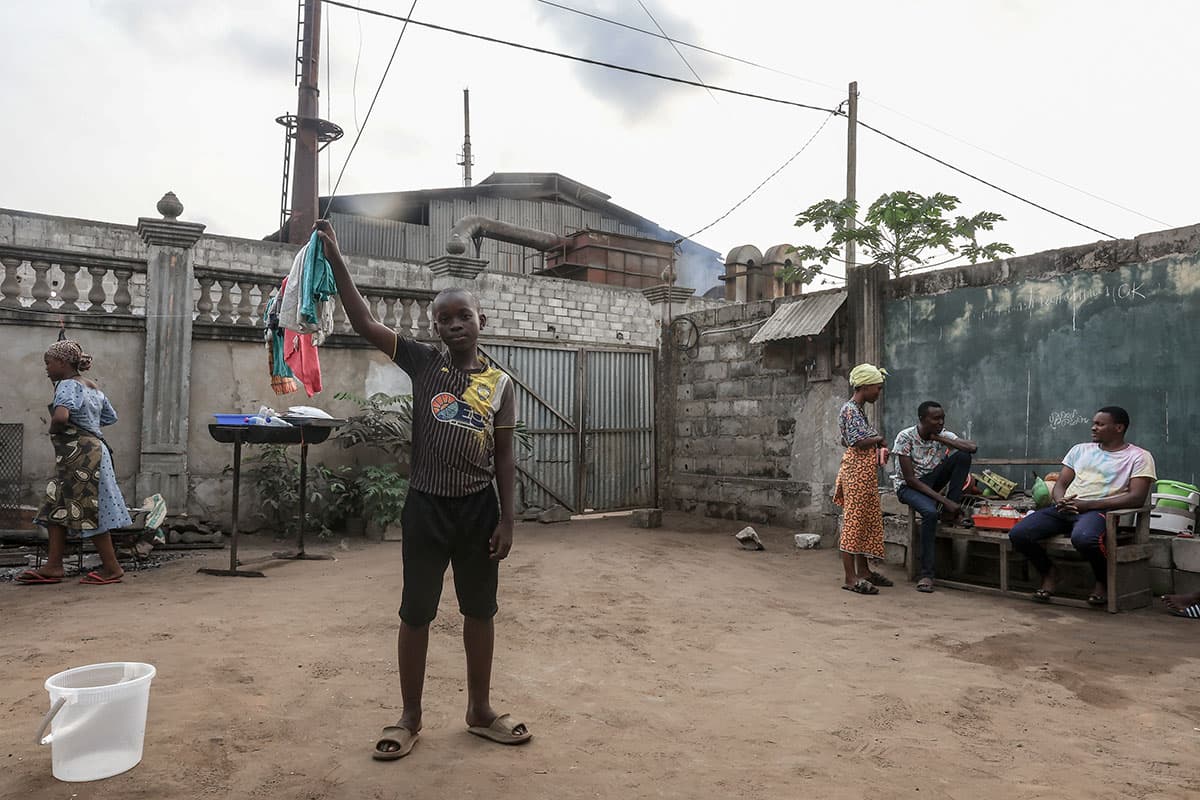
Factories are operating again after being fined and told to clean up their act. But months after the government tested residents for lead poisoning, they haven’t gotten their results.
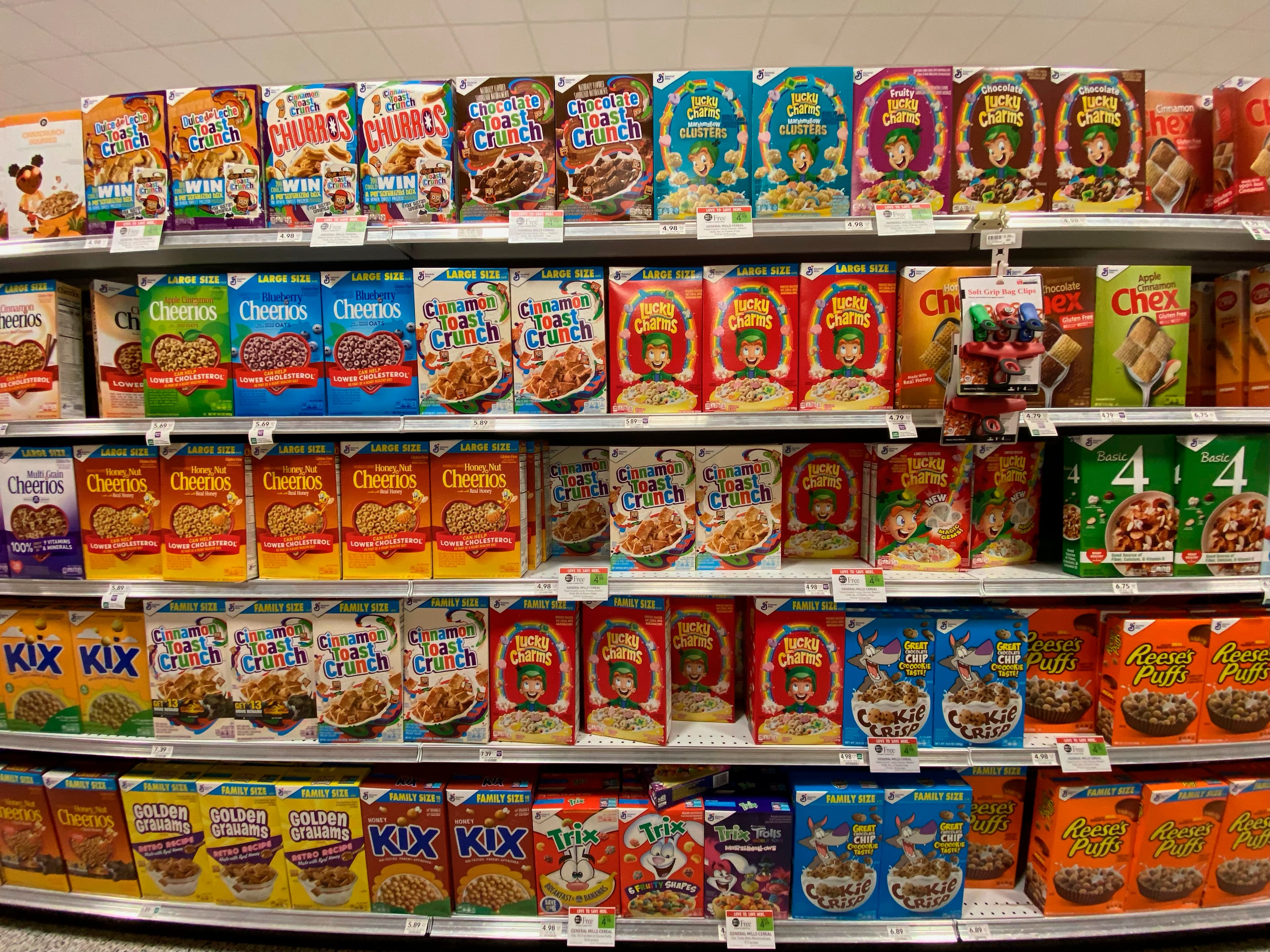
In her new book “Sugar Coated,” food policy expert Marion Nestle explains how cereal makers marketed, lobbied and outmaneuvered regulators for decades.
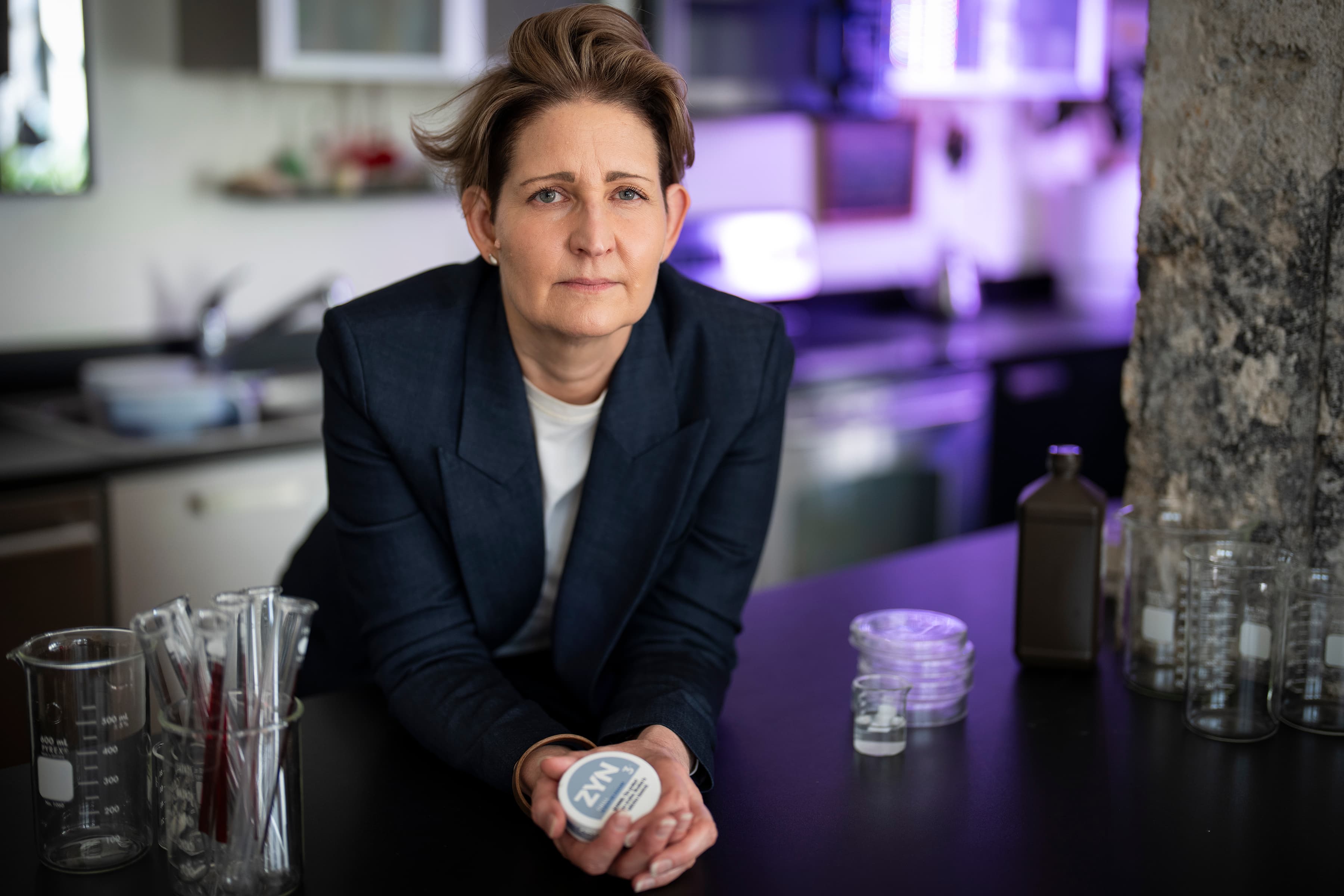
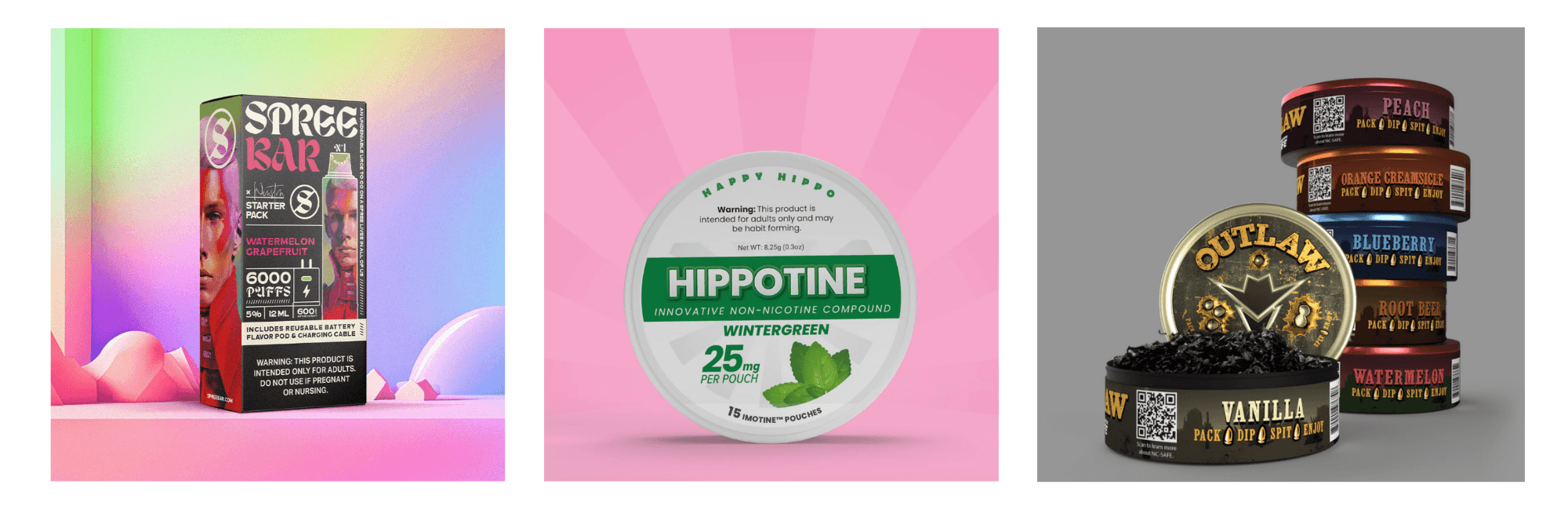
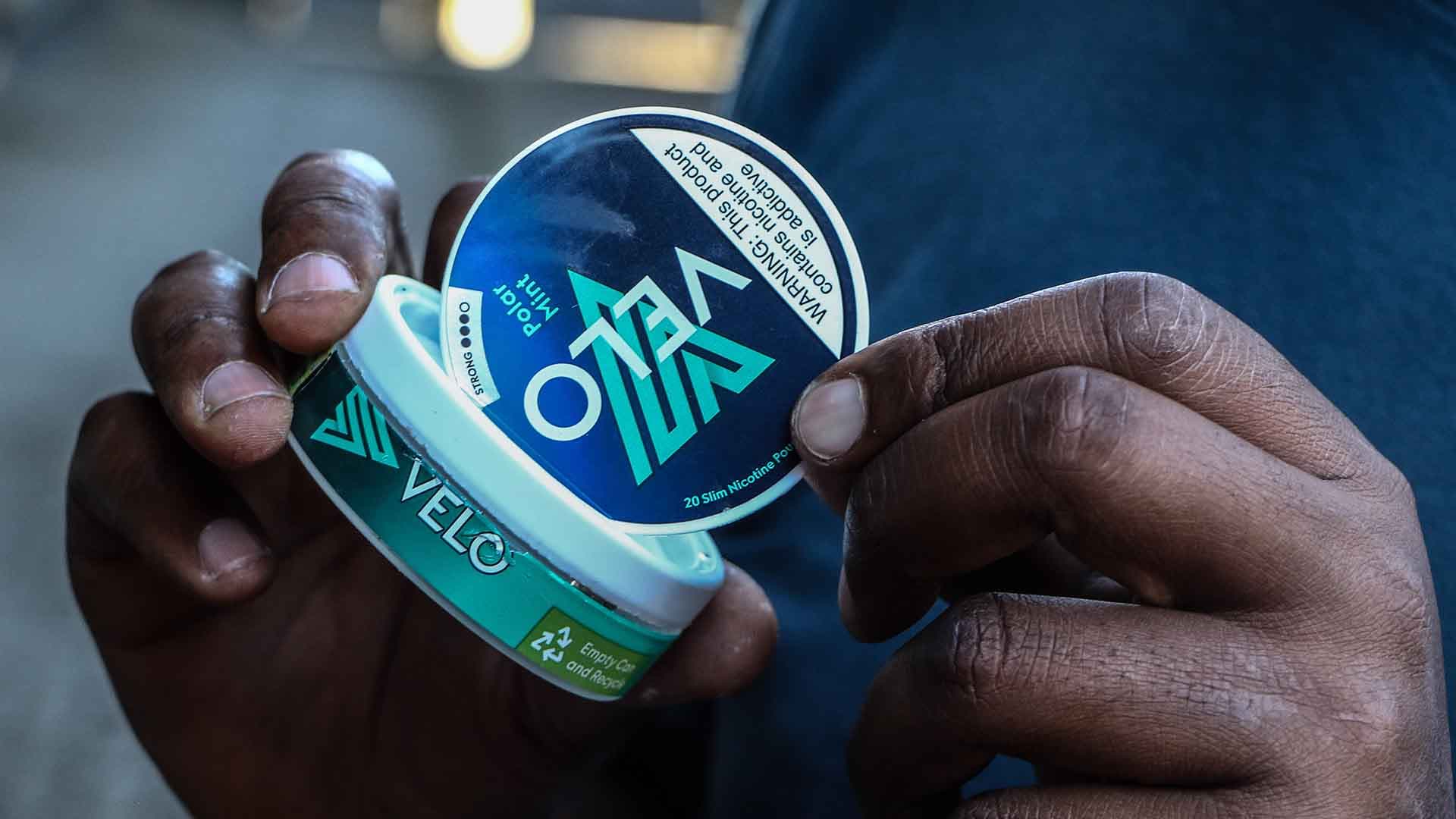
Sweden, a top manufacturer of pouches, halted an effort to raise taxes on the popular product as the bloc debates how to handle it and other addictive alternatives to cigarettes.
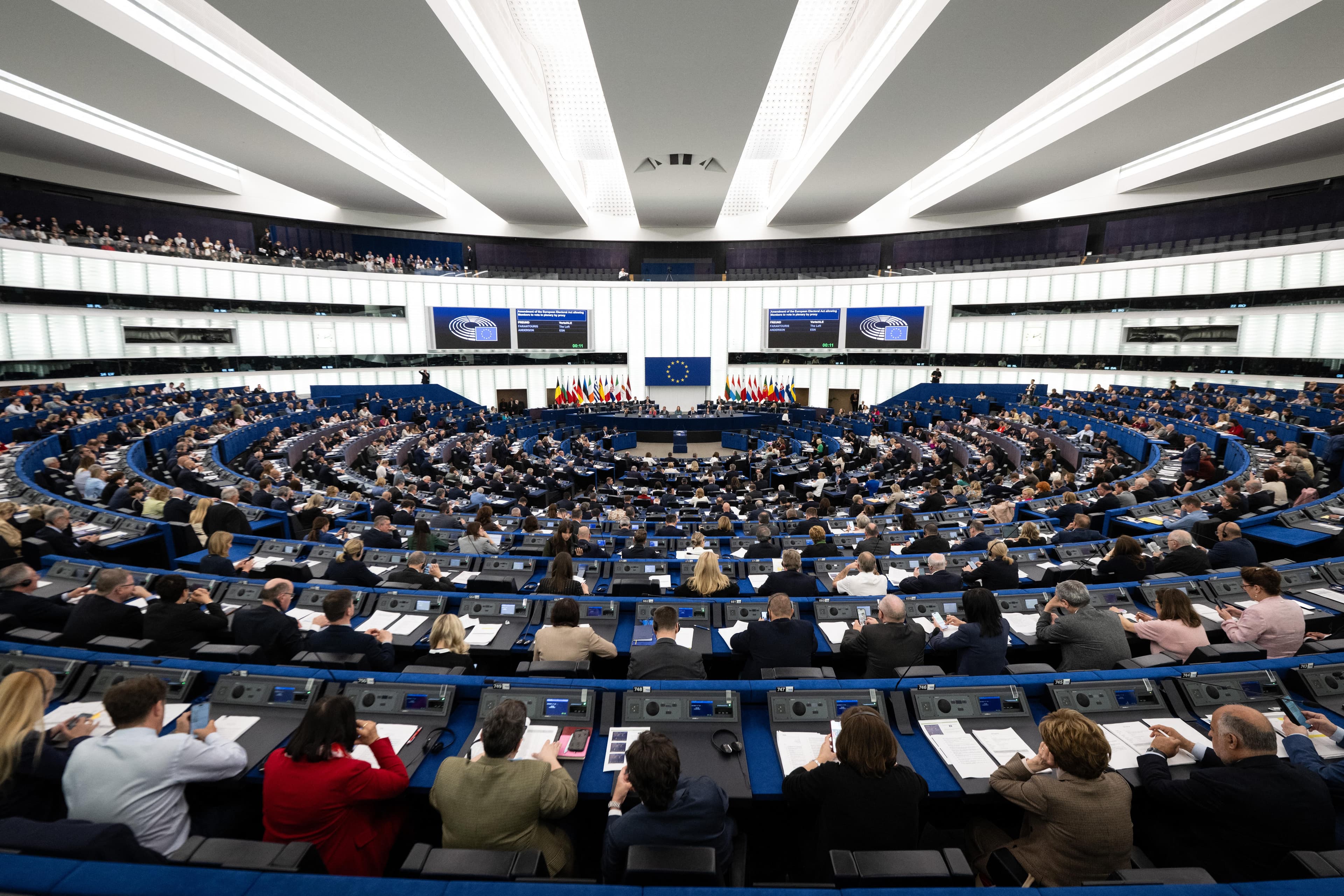
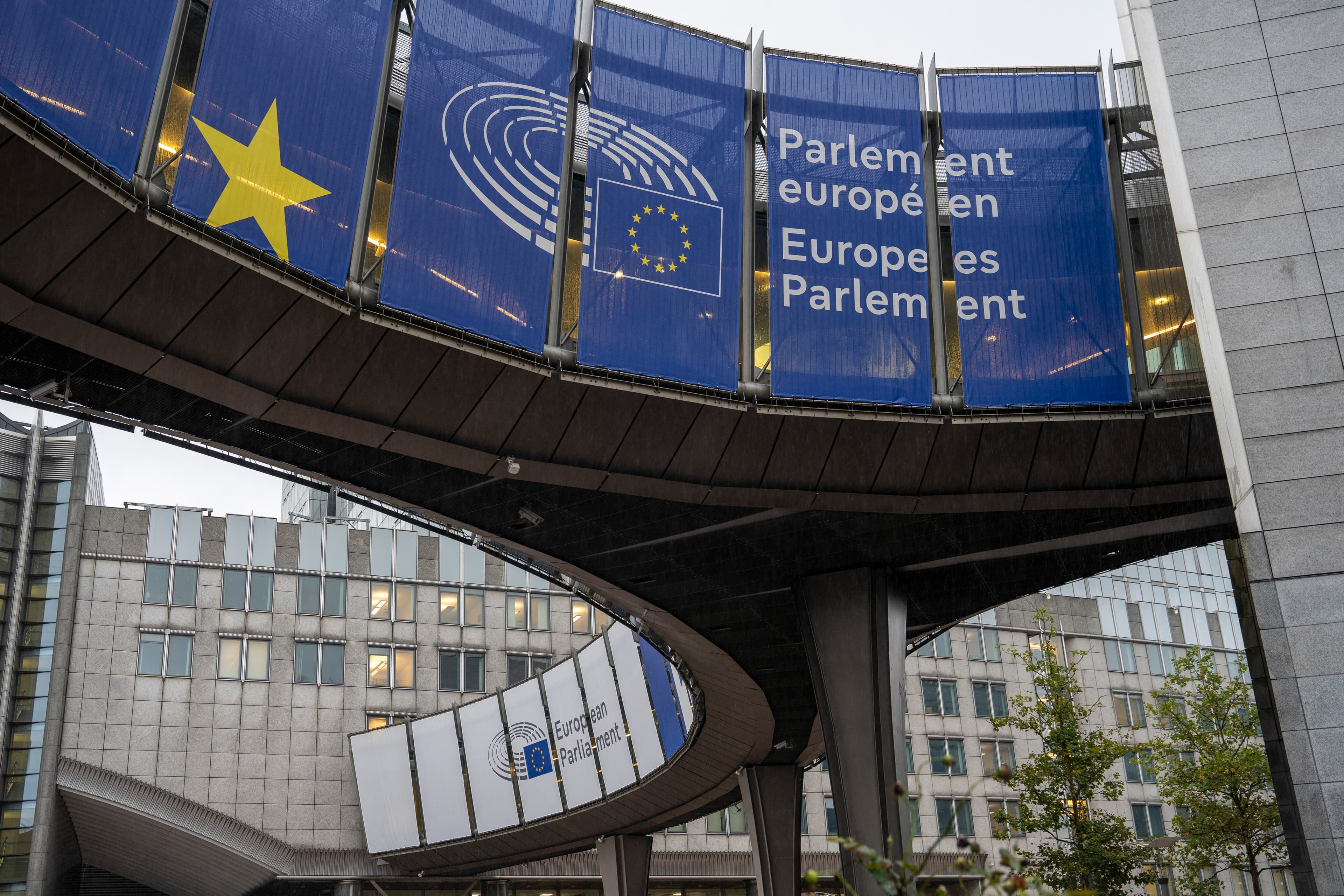
Scrutiny by the EU ombudsman comes after an investigation by The Examination and Politico revealed EU staff took actions that would have benefited Philip Morris International.
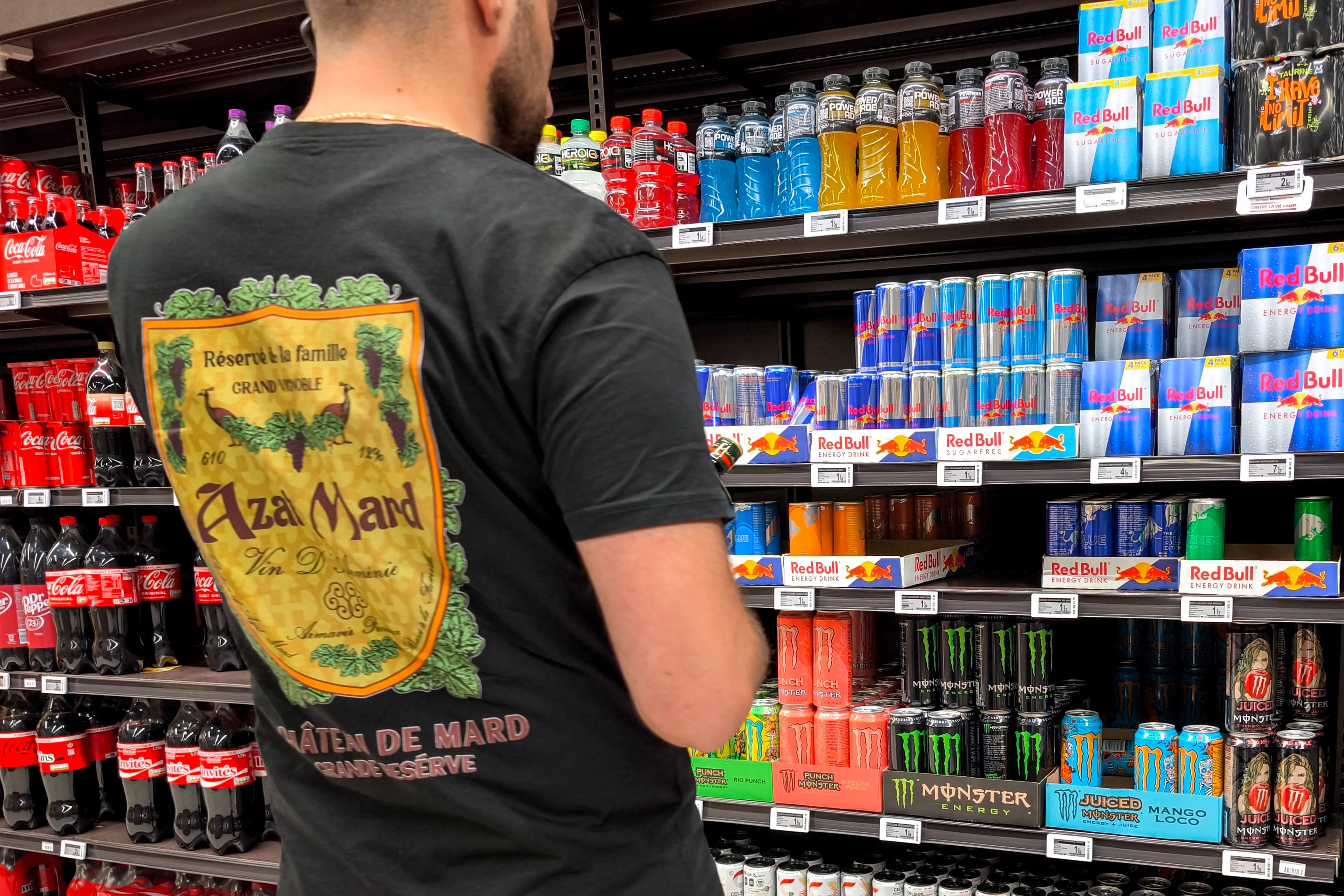
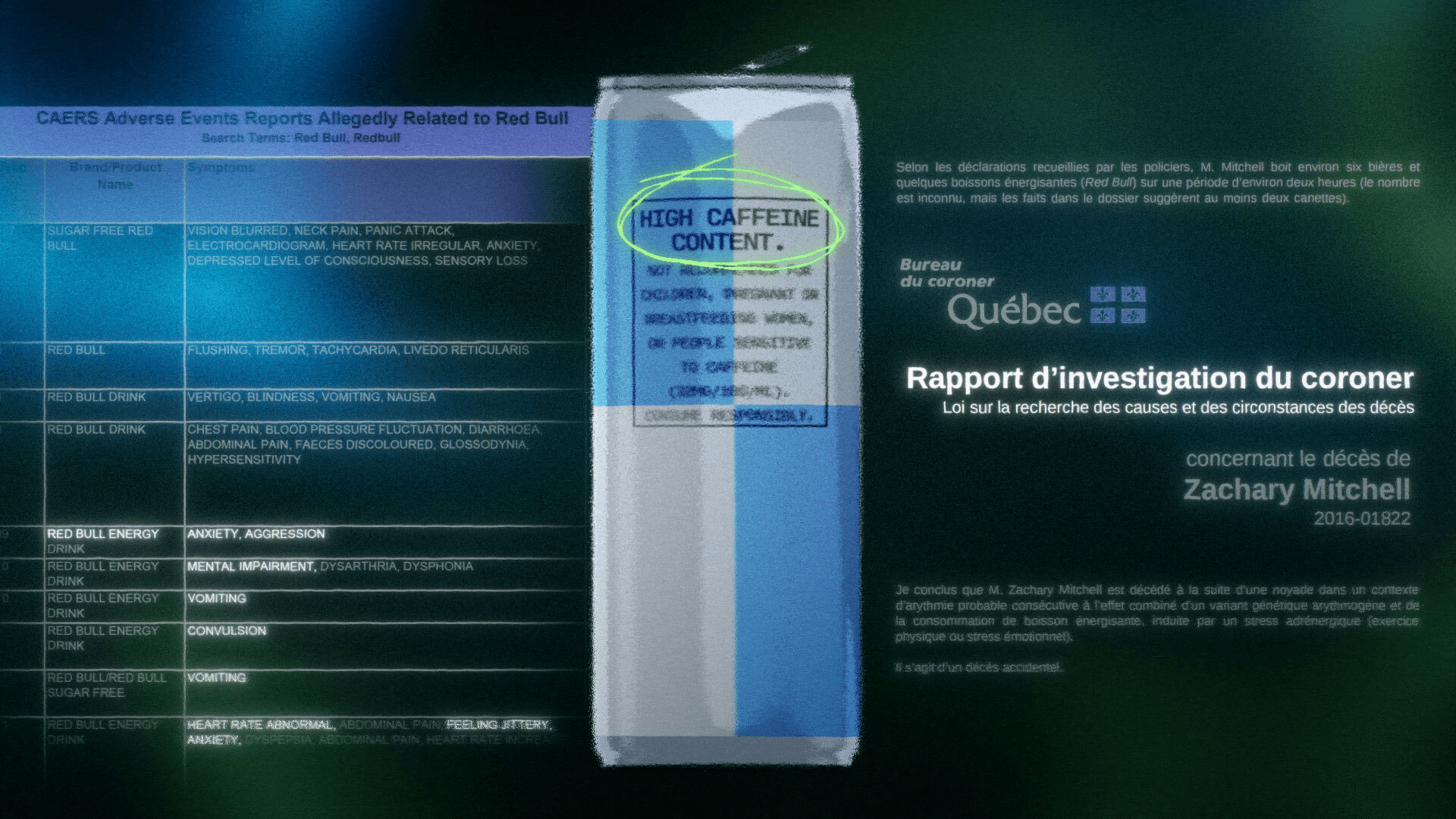
Governments in India, the UK and beyond are taking notice as research links energy drinks to health problems.
Highly caffeinated energy drinks have been linked to heart problems, obesity and anxiety.
In our analysis of conflicts of interest in PubMed, we used an LLM to trace relationships between academics and companies – helping us discover more ties.
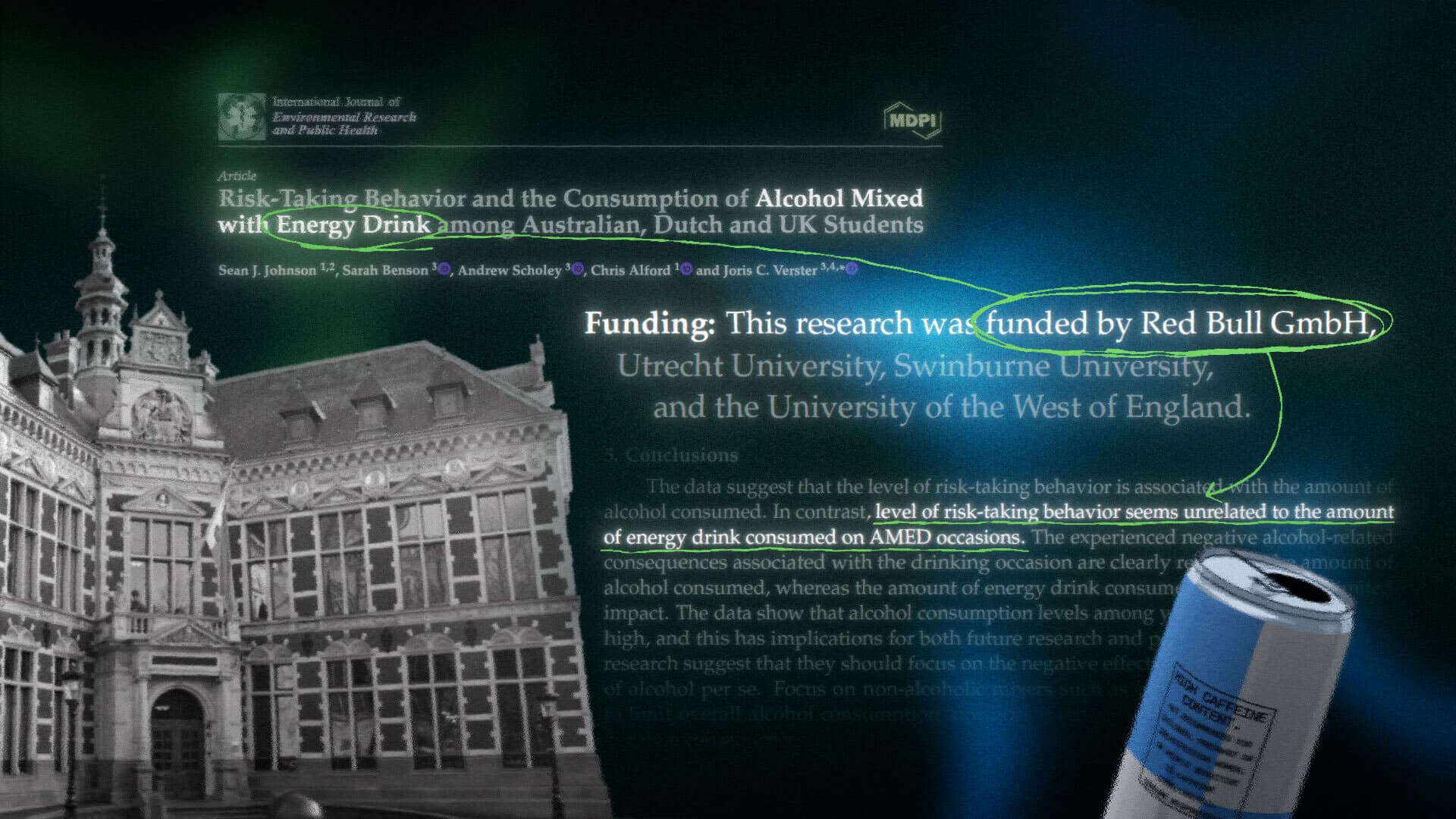
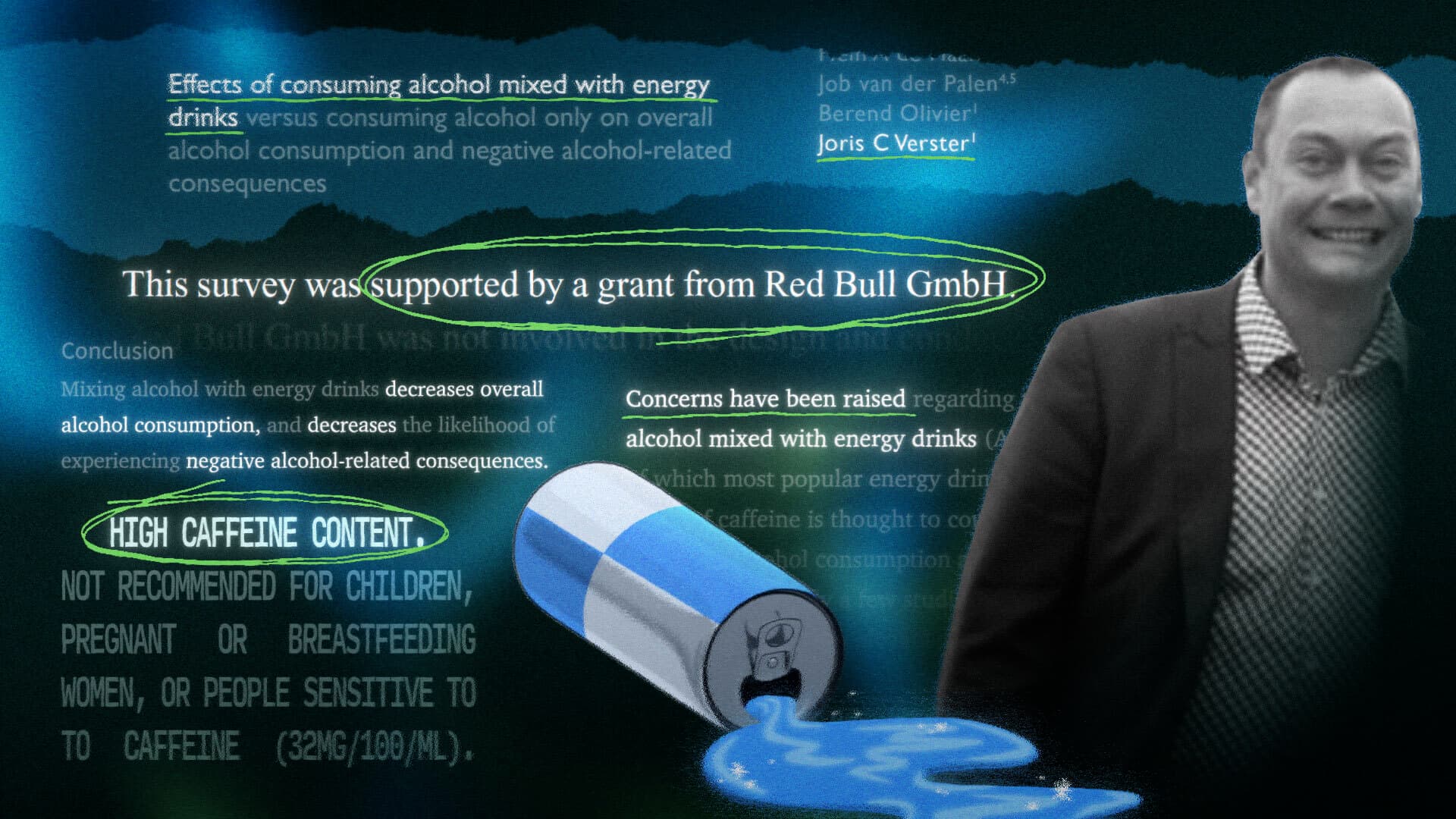
The company paid scientists whose studies largely found that mixing energy drinks and alcohol isn’t harmful, contrary to most research.
A toxicologist says the agency’s failure to consider whether the pouch material could shed microplastics shows it’s not doing enough to protect public health.
American Chambers of Commerce opposed a vaping ban in Bulgaria, praised a cigarette factory in Serbia and hosted tobacco executives and government officials in Ukraine.
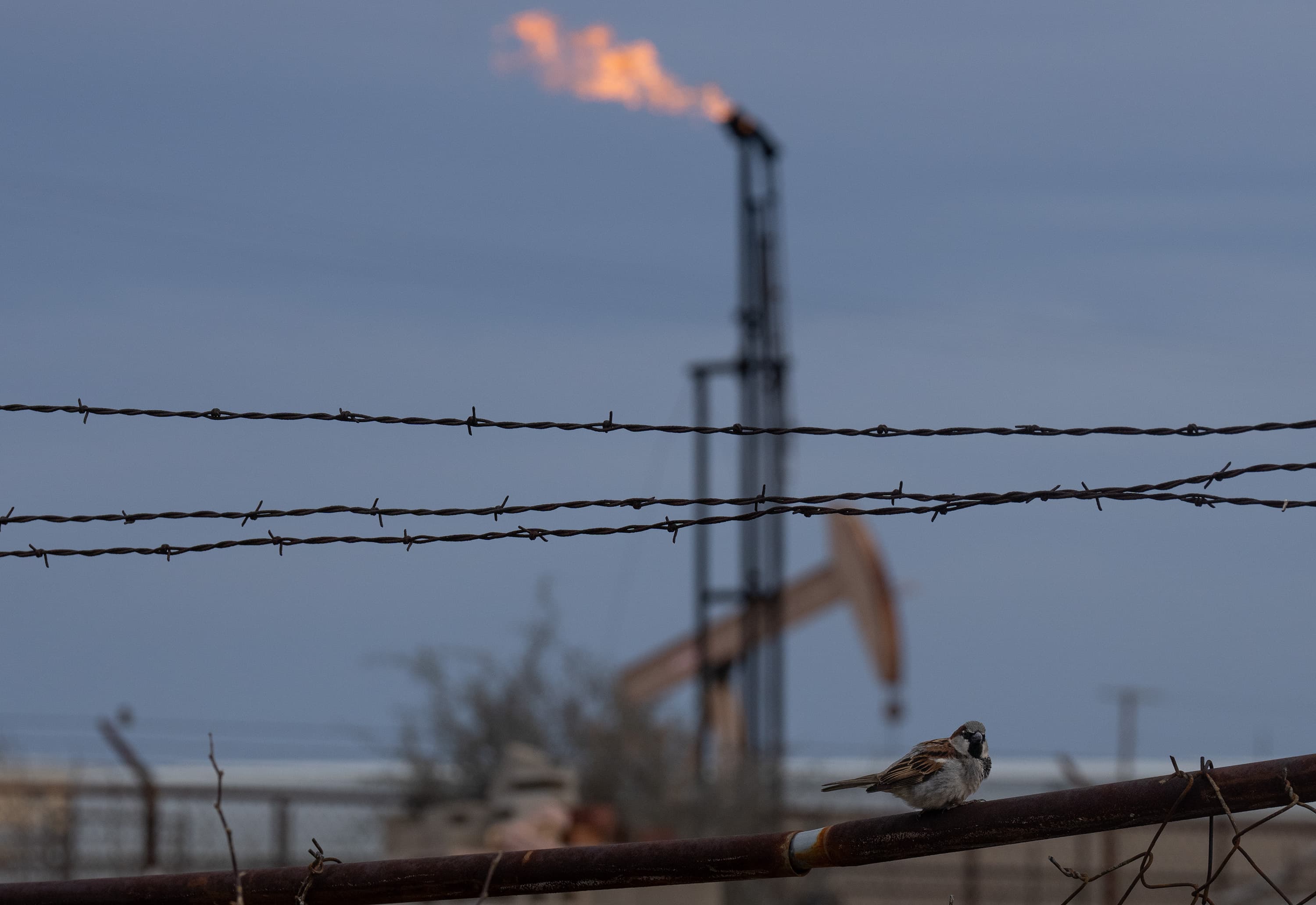
A World Bank report found global flaring rose for a third straight year in 2025, spewing air pollution linked to preterm births and respiratory diseases.
The request — likely a long shot — comes after the introduction of products that deliver higher concentrations of nicotine.
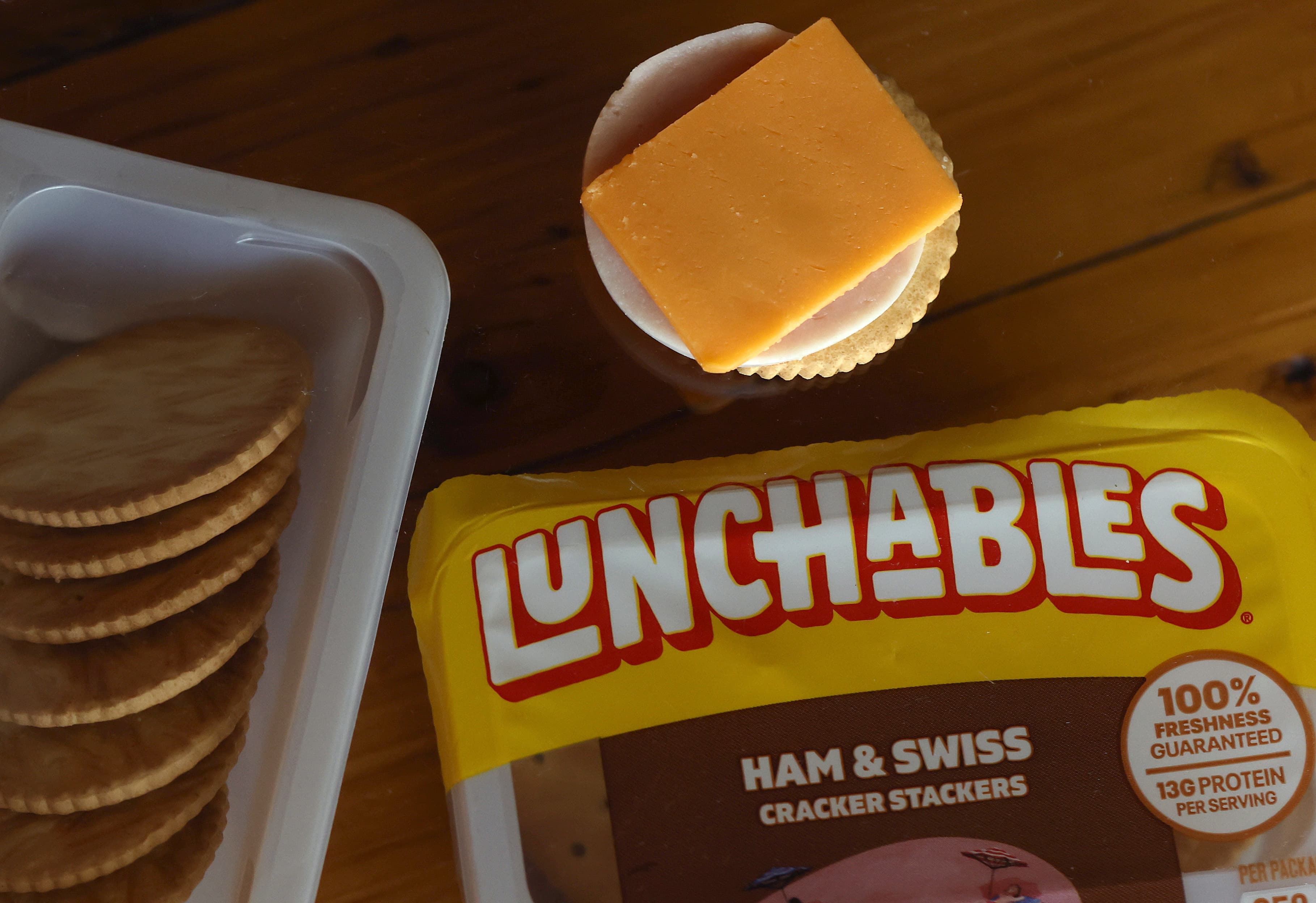
Tobacco companies used their cigarette playbook to make ultraprocessed foods appealing to children and moms, internal documents show.
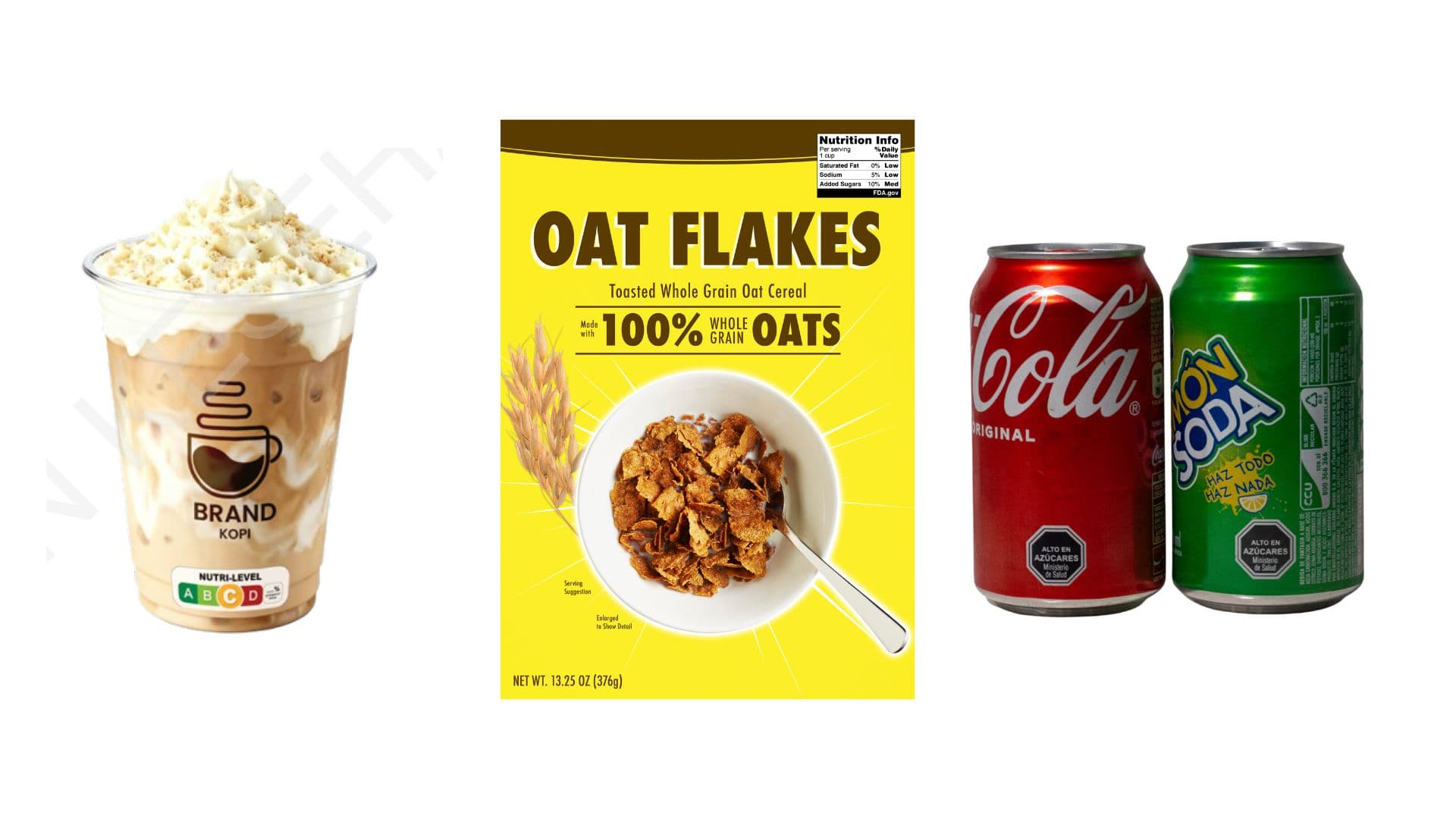
Researchers say a proposed U.S. food label is less effective than those in other countries and falls short in helping consumers identify healthy foods.
New data shows few adult smokers are using pouches to quit — while researchers watch cautiously as youth use remains low.
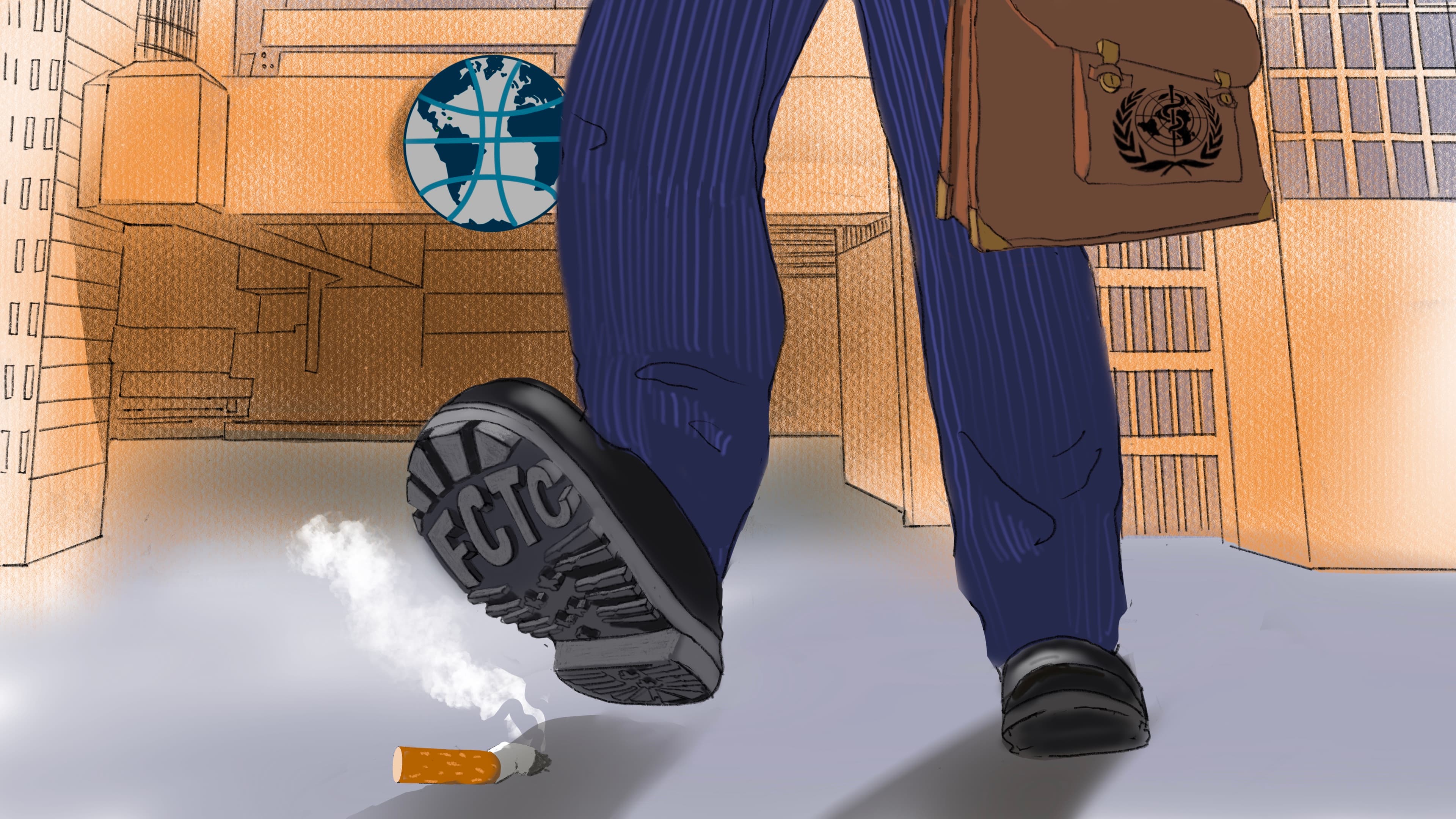
The move comes after The Examination and Politico reported that those meetings could violate a global public health treaty.
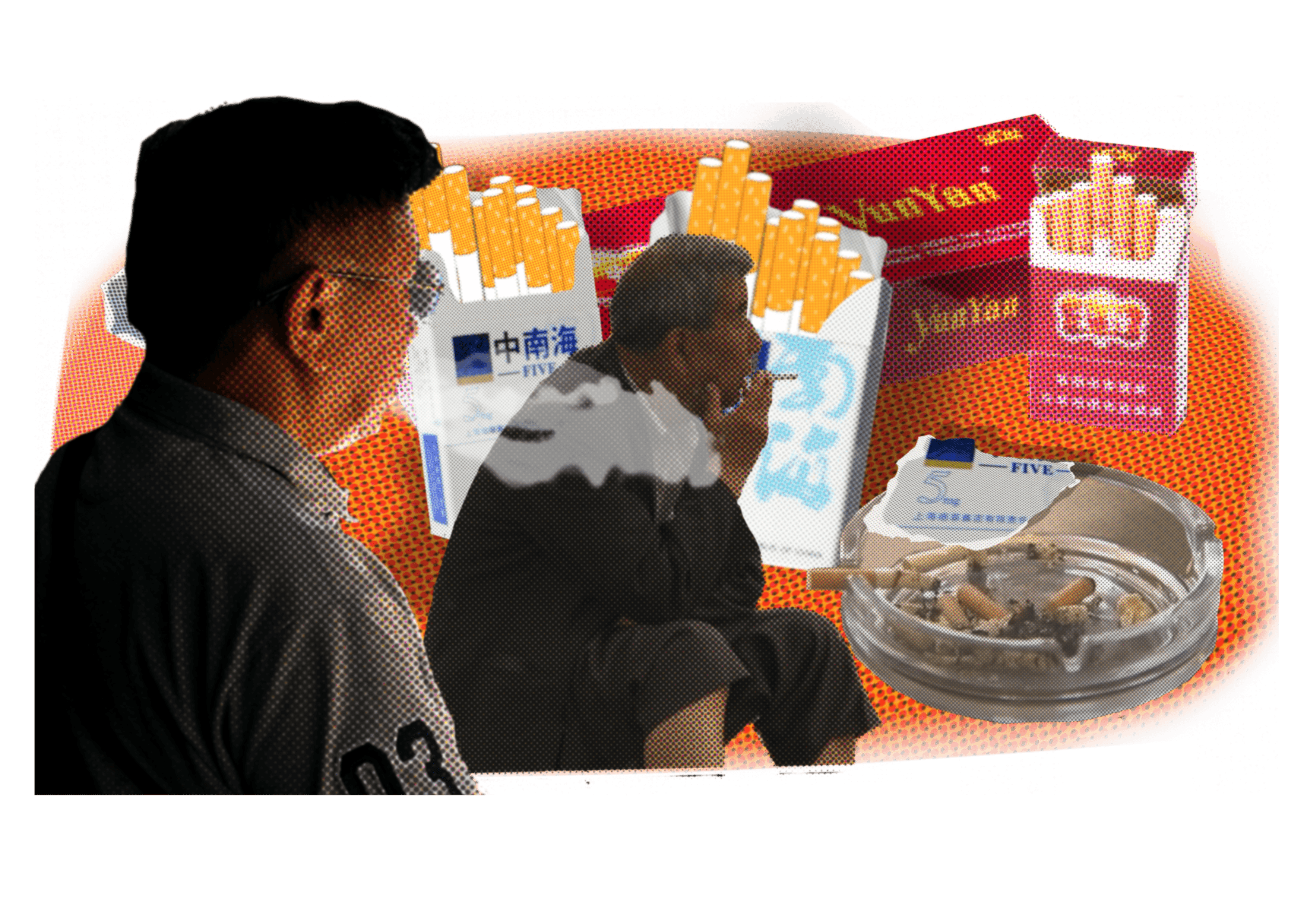
We found that no company rivals the more than 57 million smoking-related deaths likely caused by China Tobacco’s products since 1990. Here’s how we did it.
China Tobacco’s products have likely caused at least 57 million deaths since 1990. No other company comes close, our analysis shows.
As another study links ultraprocessed foods to heart attacks and strokes, a leading researcher breaks down the evidence and calls for policy action.
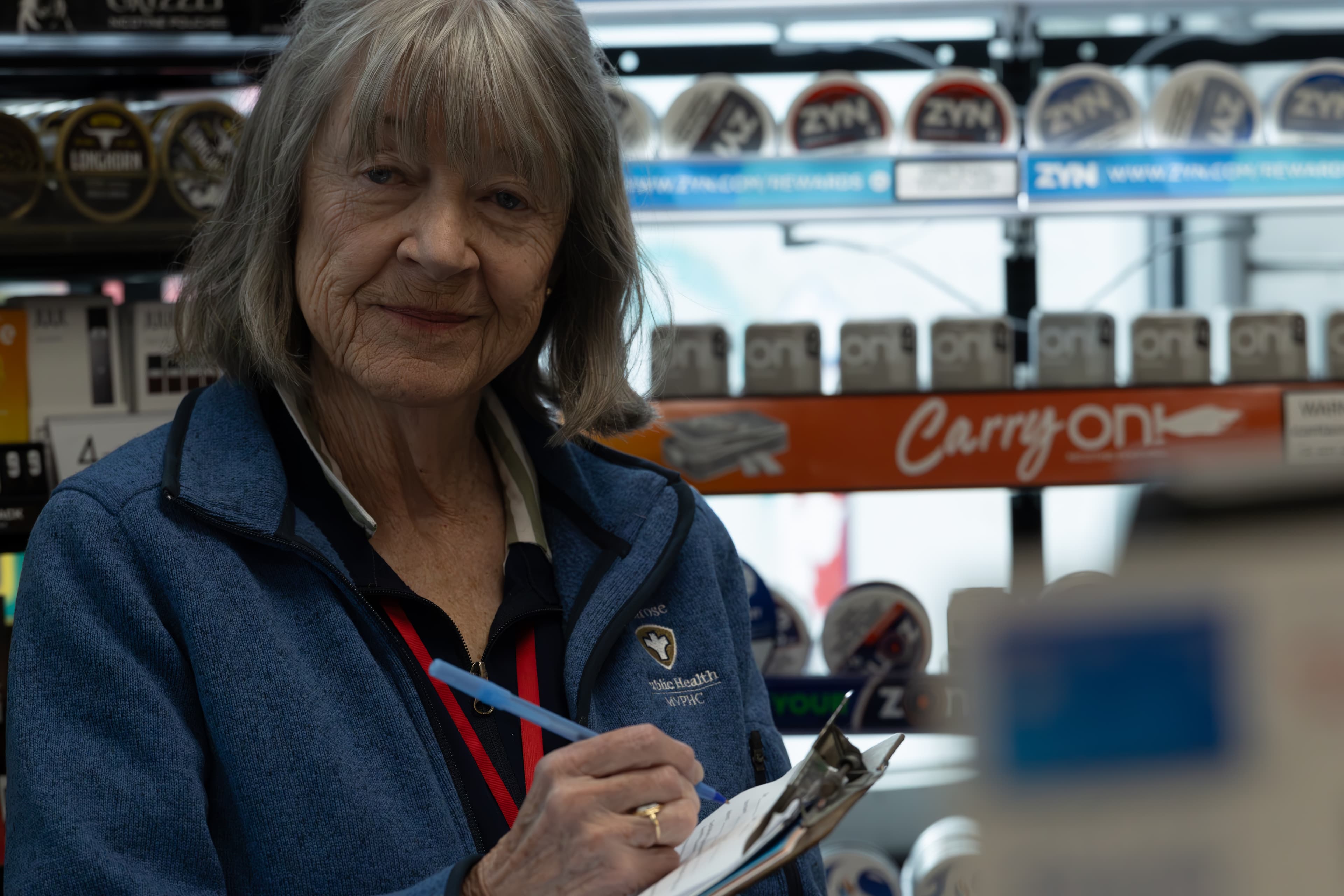
A 78-year-old corporate finance veteran has helped pass nicotine bans in towns across Massachusetts. A state law could be next.
The government promised a cleanup and medical care, and the WHO offered to help. In the year since, silence.
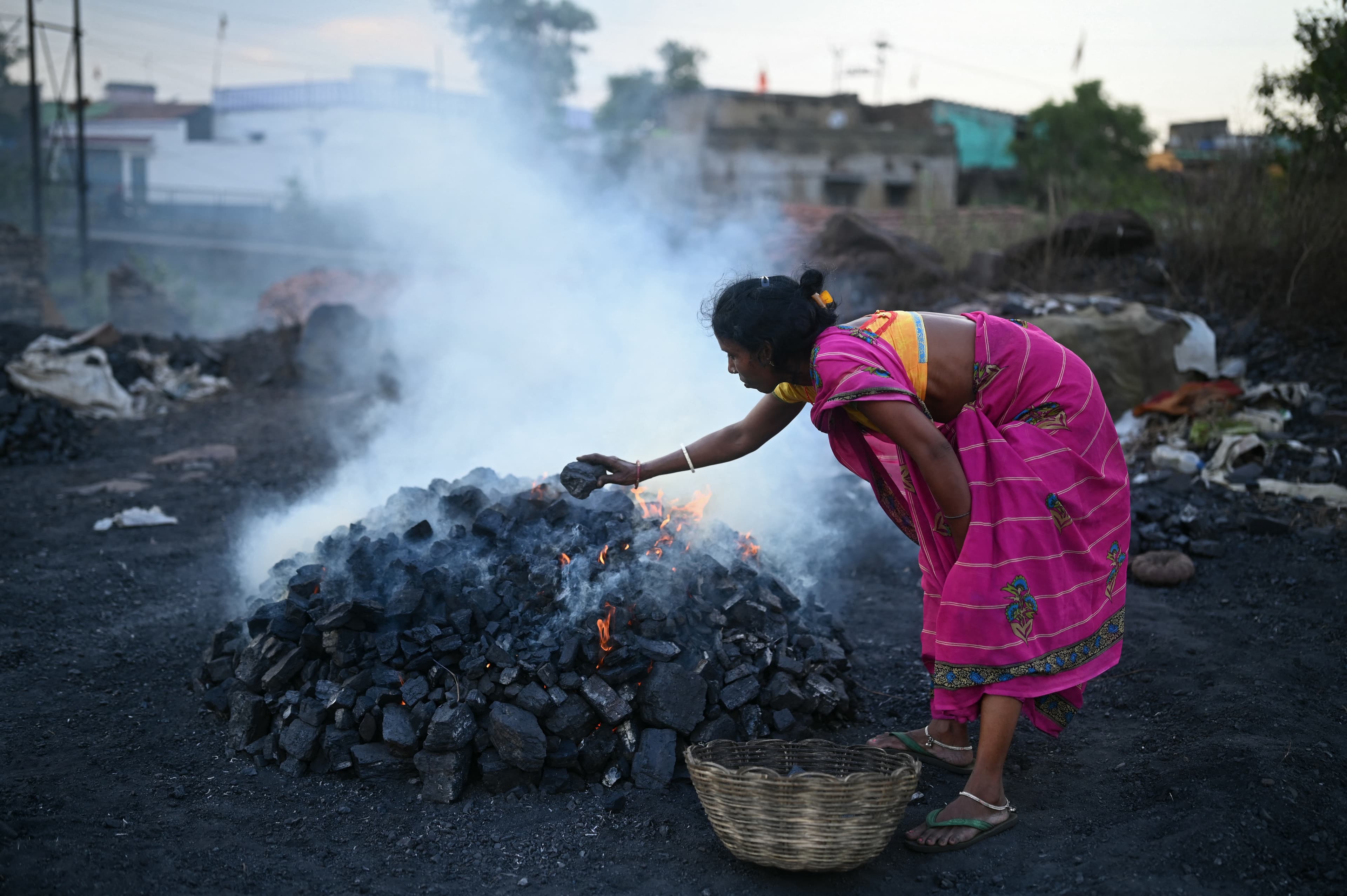
The people of Jharia, home to India’s largest coal reserves, are fueling the country’s economic growth and getting sick from the ensuing pollution.
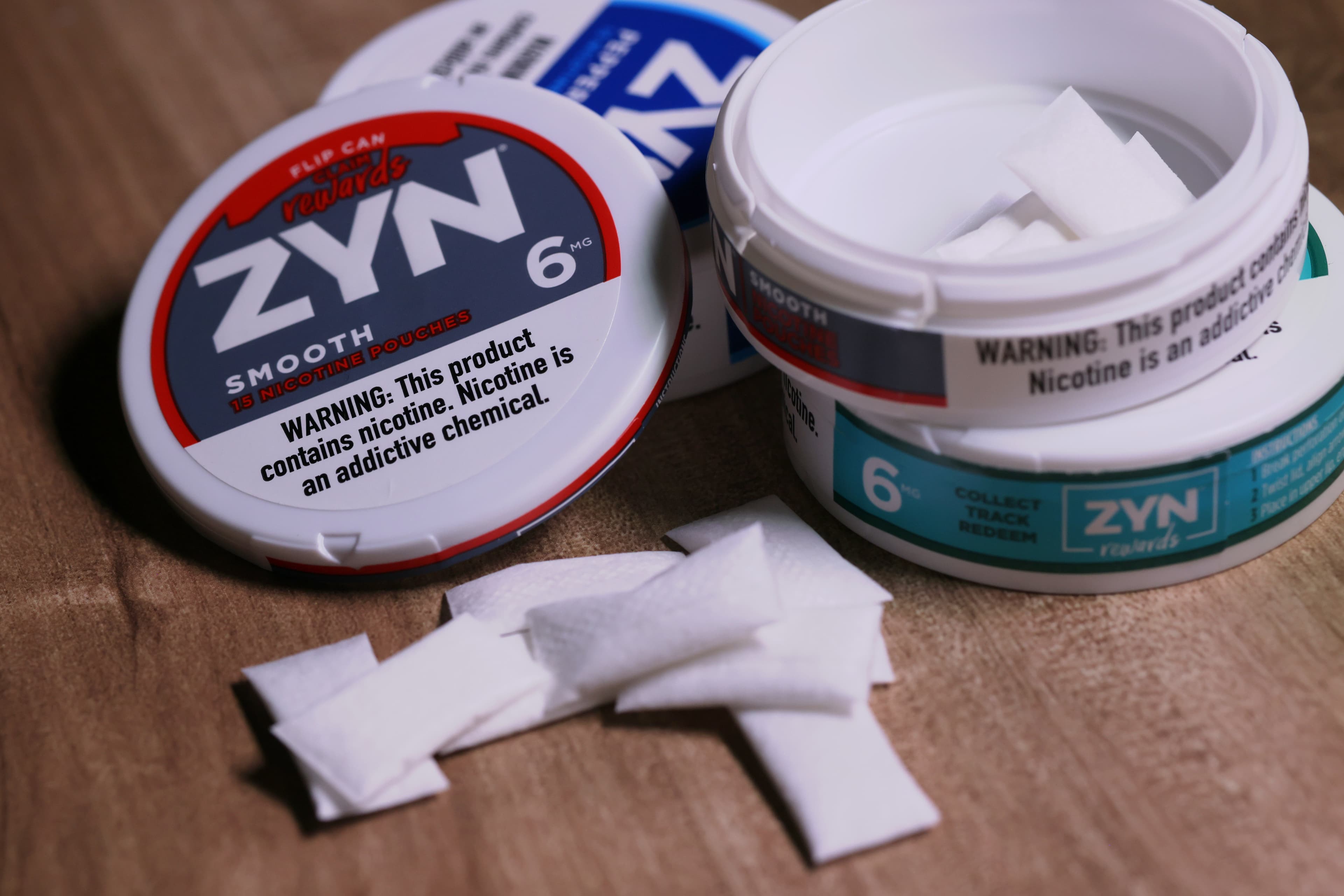
The colorful packaging and fruity flavors that make nicotine pouches appealing to adults also make them tempting — and dangerous — for kids.
A pending court complaint alleges bias, raising questions about the power of regulators with industry ties to restrict public health messaging.
Have you or someone you know experienced a health problem after consuming energy drinks? We want to hear about it.
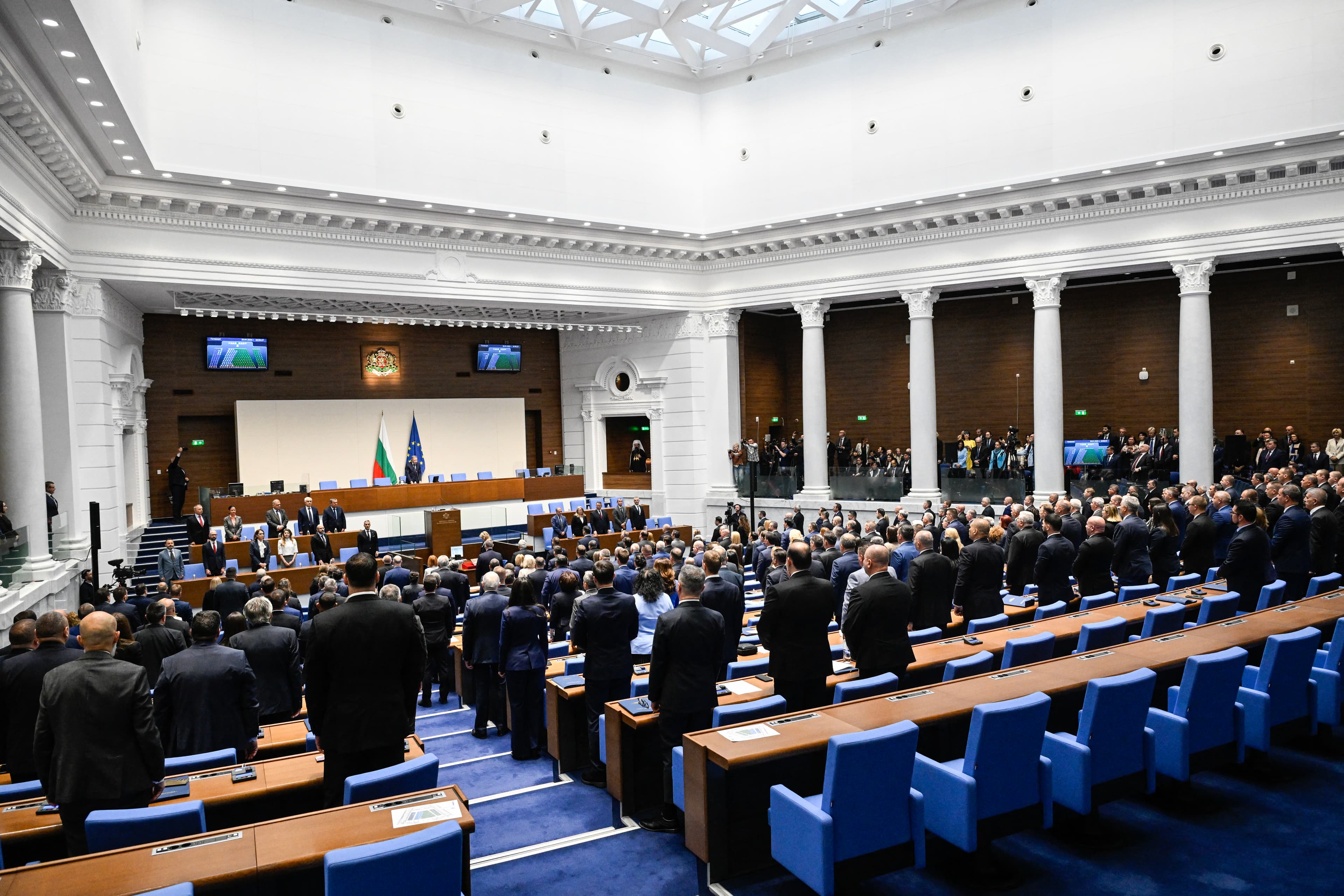
The latest draft recommends smaller tax hikes for cigarettes, heated tobacco and e-cigarette liquids.
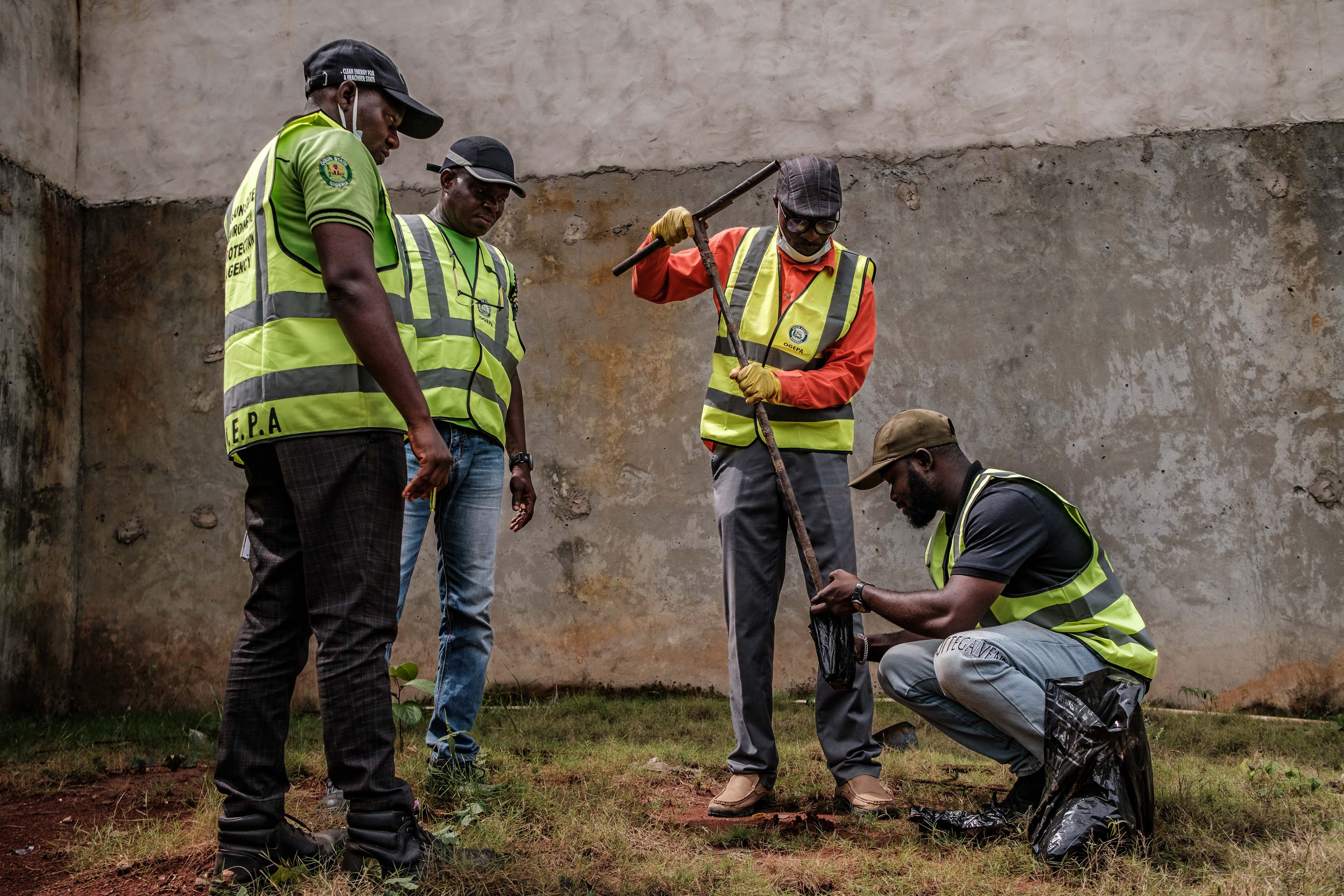
The Examination and The New York Times revealed that Nigerian factories supplying the U.S. auto industry were poisoning communities with lead. Nigerian officials acted swiftly.
State regulators allowed a facility owned by the U.K.-based bioenergy giant Drax to release more emissions. Scientific studies in the area have offered few answers for sick residents.
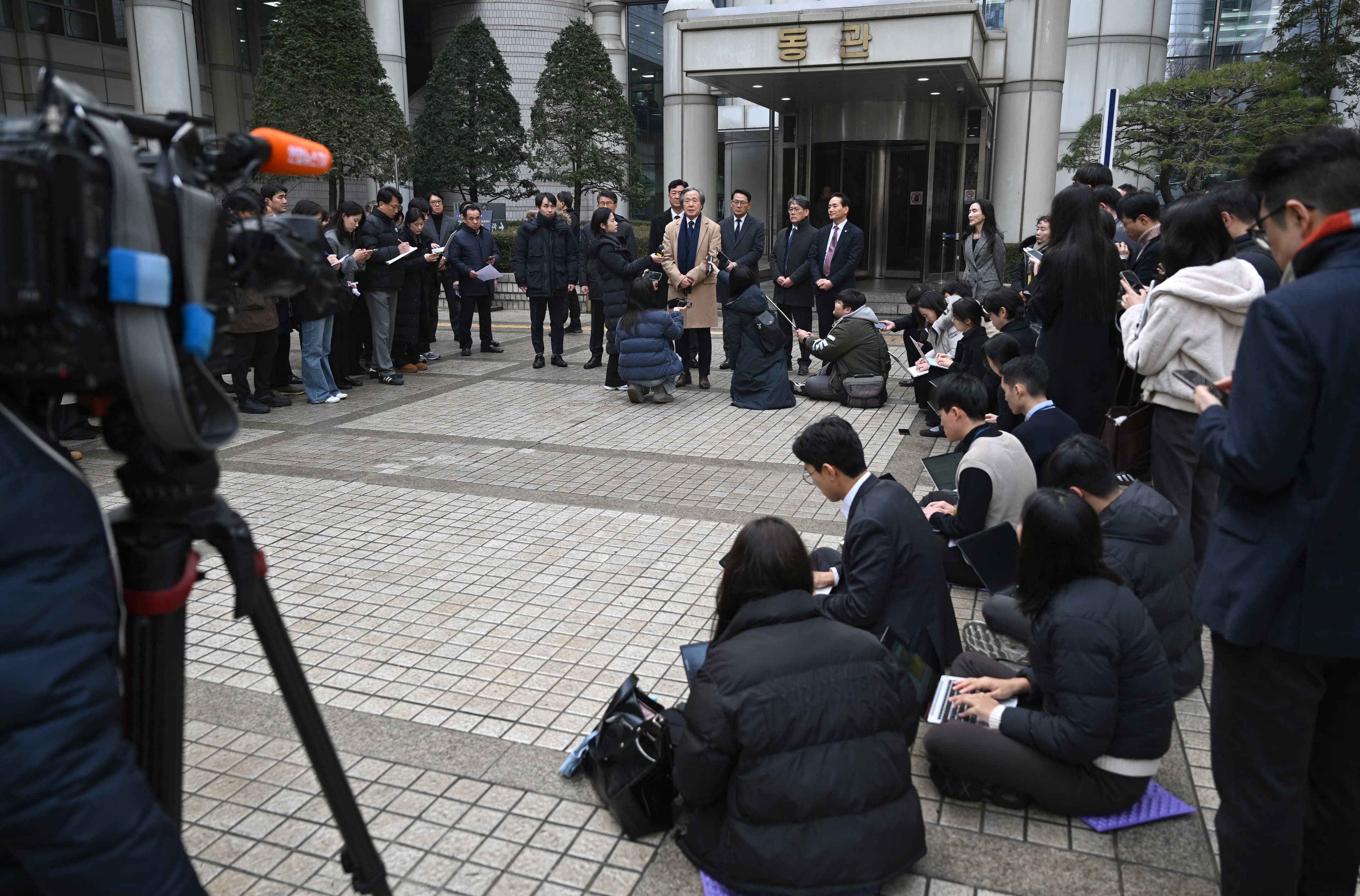
The South Korean court said the government failed to link smoking to specific health problems. It's part of a global pattern of decisions favoring the tobacco industry.
The Examination and POLITICO found that EU Commission officials had six meetings with the company after it requested help securing favorable tobacco regulations and taxes in non-EU countries.
No one had ever tested the soil near battery recyclers in Togo, one of several African countries that have ramped up exports of lead for the global auto industry.
Carmakers have known for decades that battery recycling was poisoning people abroad. Nigeria’s crackdown is an effort to catalog the damage.
The EU’s actions were a “great help,” Philip Morris International said in an email.
Despite decades of evidence on the toxic effects of battery recycling, companies opted not to act and blocked efforts to clean up the industry.
People in Africa’s lead recycling capital have long suspected that the black dust falling from the sky is making them sick. But the extent of the damage to their bodies and their community hasn’t been clear until now.
Blood and soil testing confirmed the health consequences. Then we tracked individual shipments to the United States.
We documented the toxic fallout of a green technology.
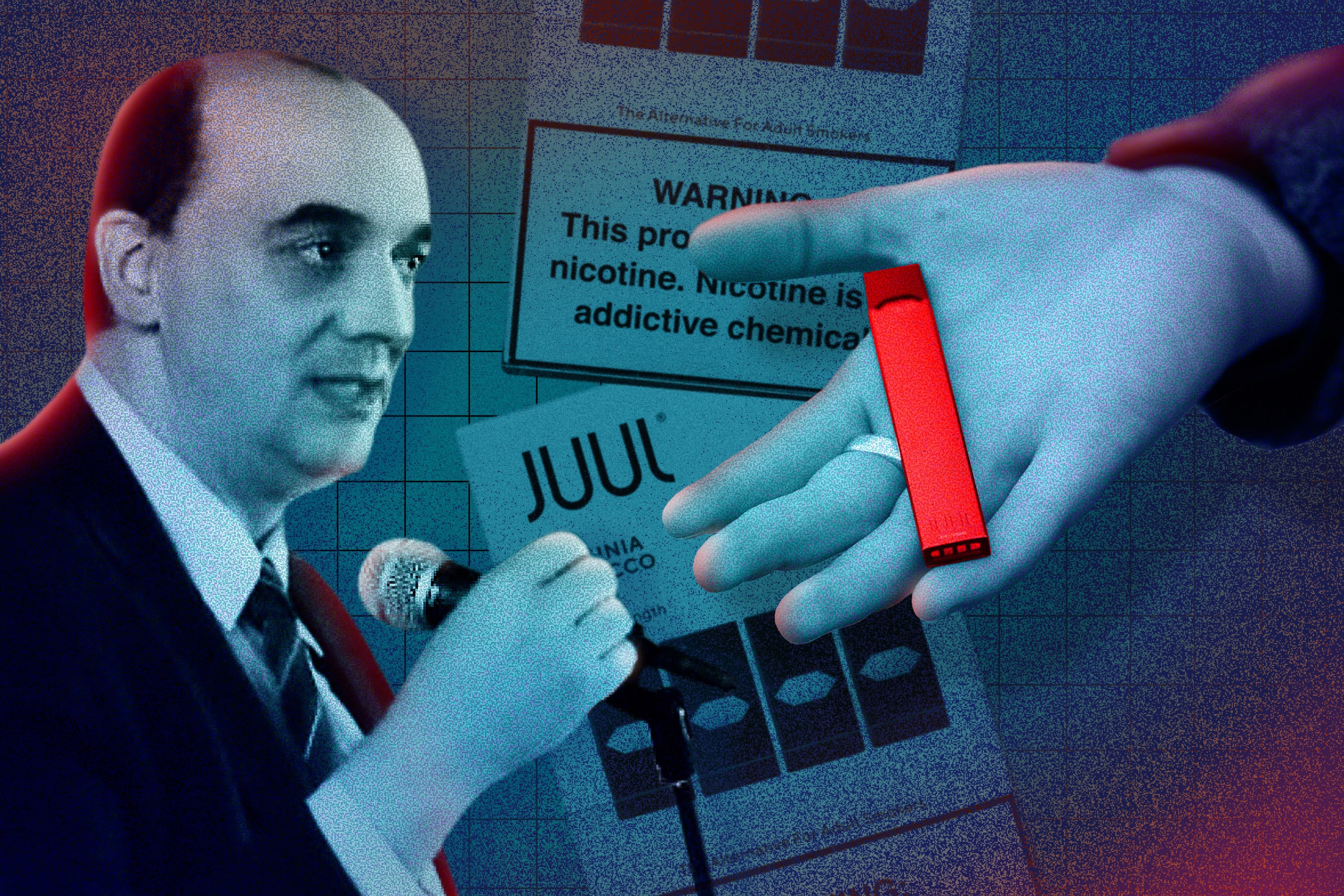
A Greek physician who has extensively studied nicotine was paid by Juul to lobby against Israeli vaping regulations. He didn’t disclose the payment in his research.
Lord Strathcarron didn’t publicly disclose his family connection even as he adopted the tobacco giant’s position on a “smoke-free generation” bill.
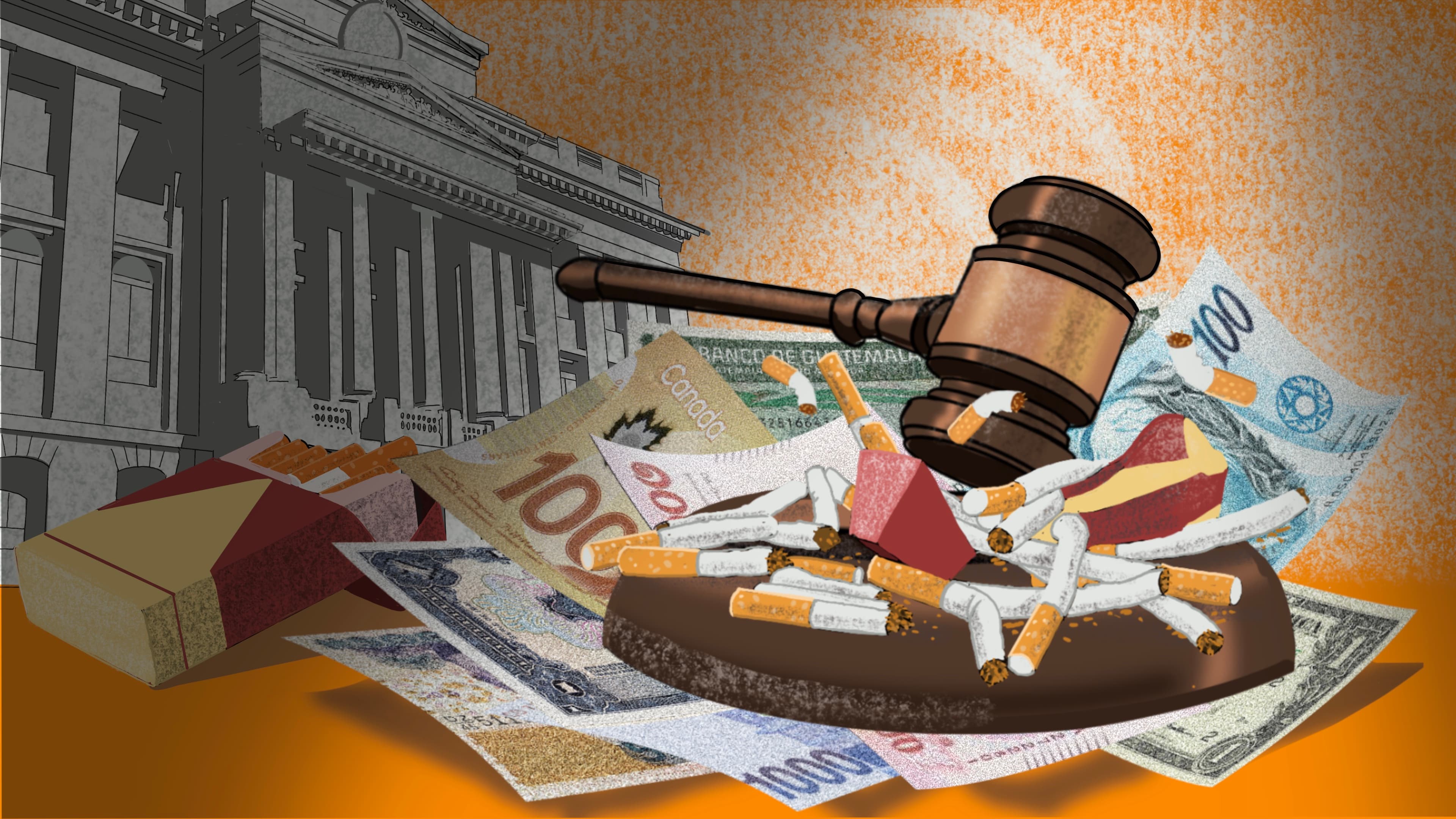
Governments in the U.S. and Canada went to court and got tobacco companies to pay for smoking-related diseases. Many other lawsuits have failed.
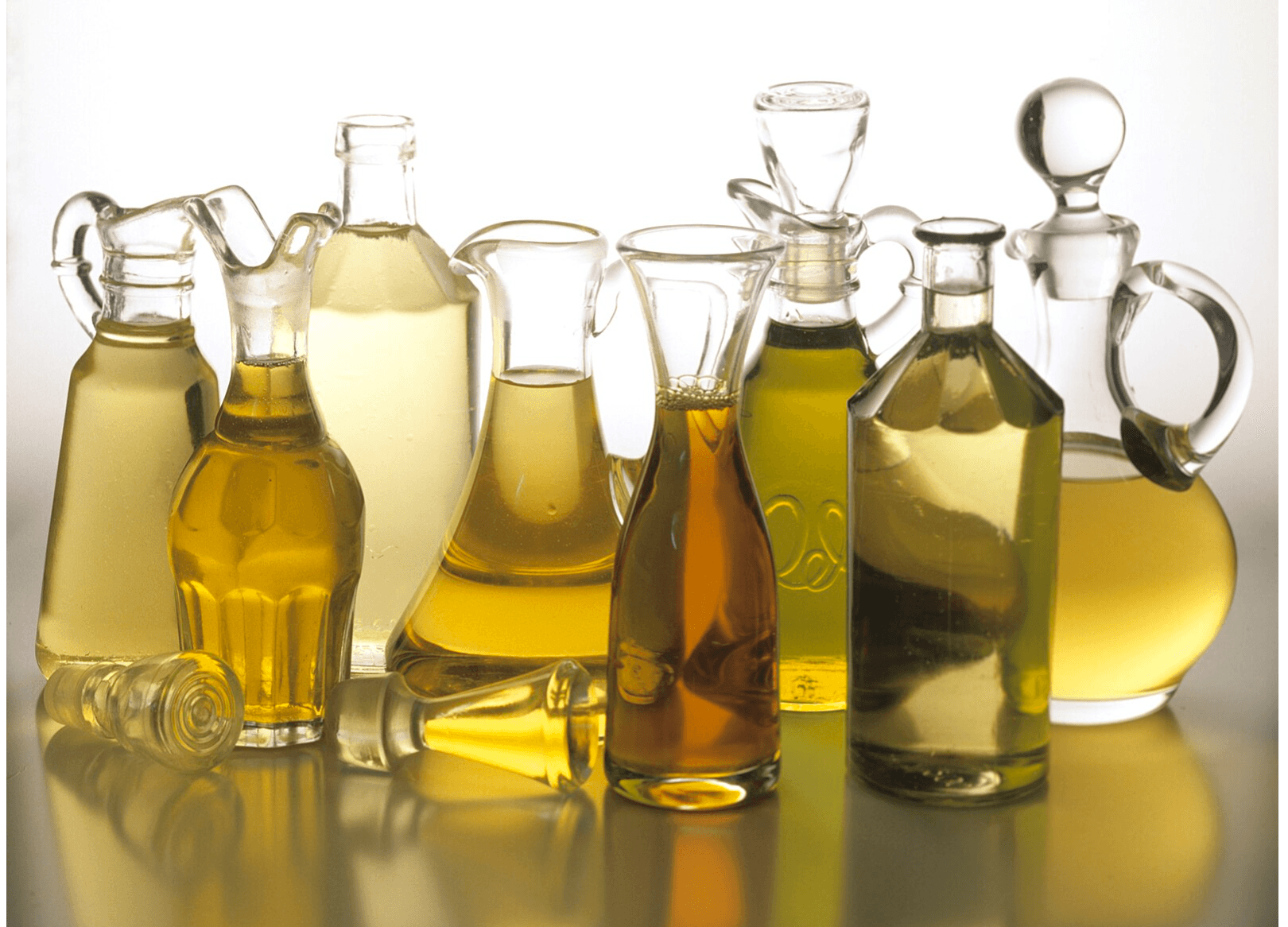
Researchers found residue of the petroleum-based solvent in a few dozen food products, including vegetable oil, chicken, butter, milk and infant formula.
Some companies are advertising nicotine-free products containing ingredients called Nixodine and NoNic6. These chemicals are similar to nicotine, but researchers warn they may be even more toxic and addictive.
At least 17 countries have a stake in the tobacco industry, making them responsible for a product that is a leading cause of preventable death.
Calls for sugar taxes and nondescript packaging for tobacco were removed during negotiations ahead of the UN General Assembly meeting in September.
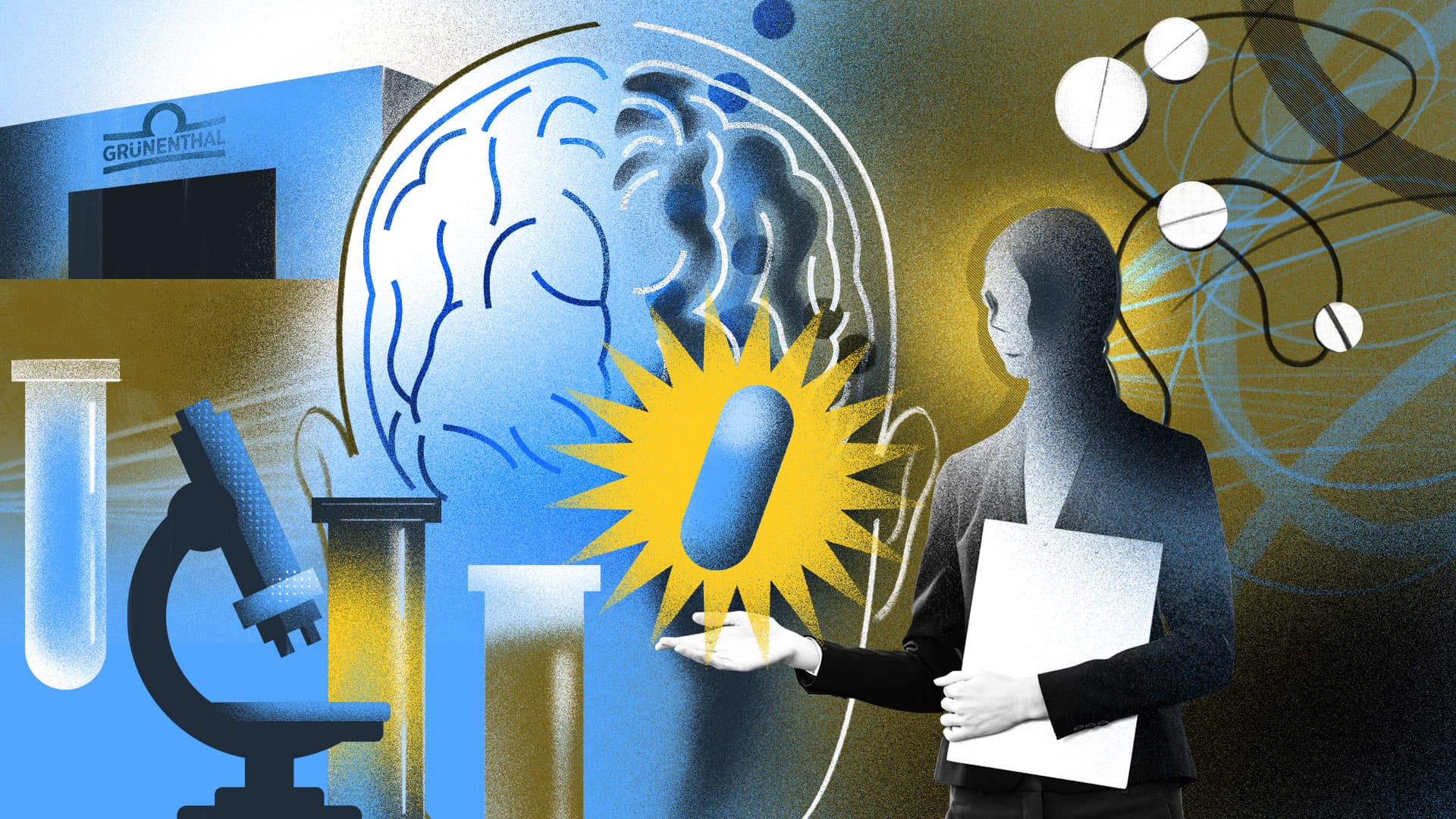
To promote its painkillers, the drugmaker doles out funding for studies, doctors, patients groups, pain associations and more.
The deal delivered millions to an in-law of the former president, Bounnhang Vorachit, while blocking tobacco tax hikes for 25 years.
As public health experts warn of the dangers of heated tobacco products like IQOS, Lord Ed Vaizey argued that they should be excluded from a landmark ban pending further study – after touring Philip Morris International's lab.
The sudden shutdown of the CDC’s Office on Smoking and Health endangers a range of tobacco control programs stateside and surveys around the world.
A presidential agenda, pro-industry proposals and a probe — documents reveal Big Tobacco’s influence in the Philippines and on the international stage.
Funded by the maple industry, a researcher has exaggerated his findings to suggest that syrup could help prevent serious diseases.
Fueled by misleading marketing claims, the German drugmaker’s painkiller tapentadol is on the rise.
Experts say the FDA’s watchdog for America’s food supply is uniquely vulnerable to ongoing federal cutbacks – which could make the system even more reliant on companies policing themselves.
Former fracking company CEO Chris Wright played a key role in efforts to roll back workers’ choices in socially conscious ESG investing.
The FDA’s Center for Tobacco Products, which is not taxpayer-funded, oversees an industry whose products kill nearly half a million Americans each year.
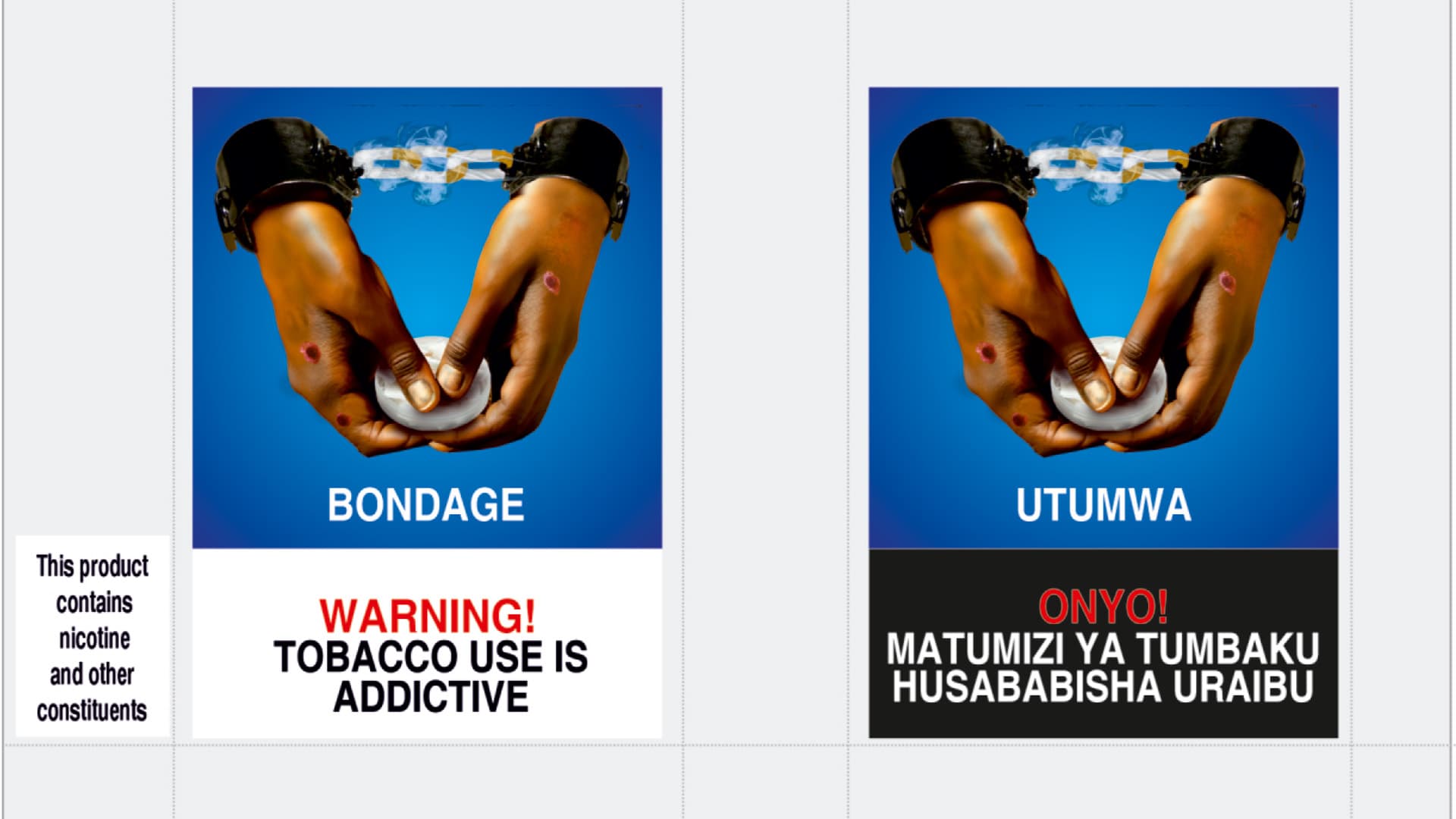
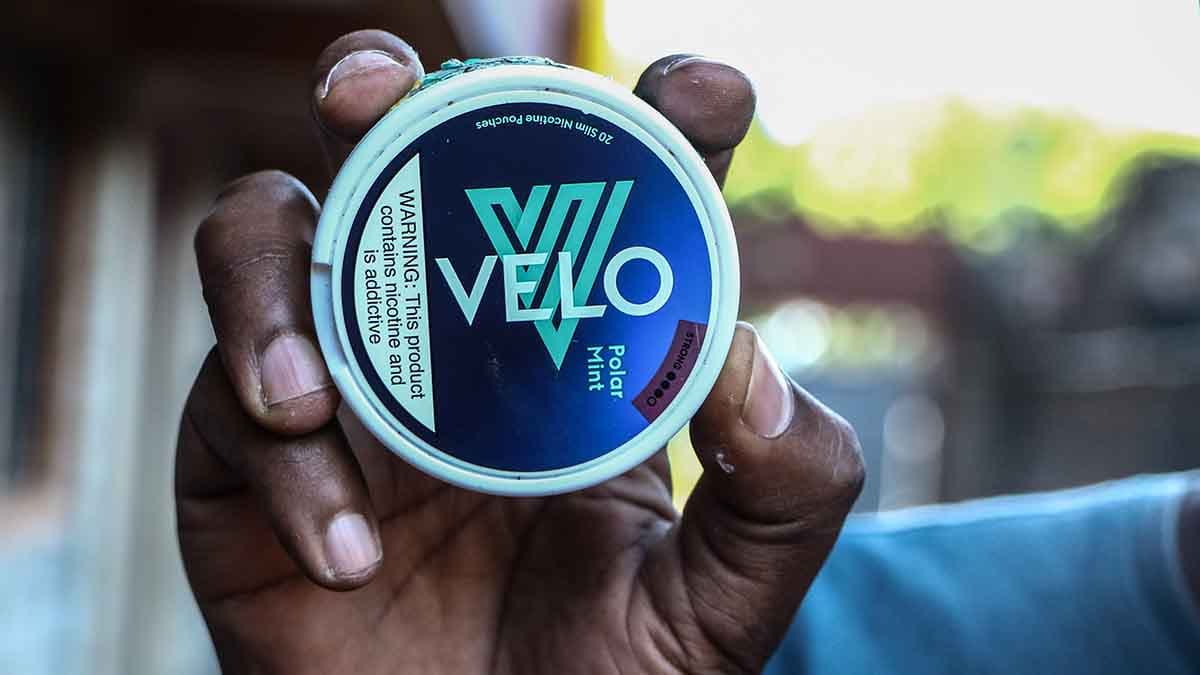
The government previously weakened Velo warning labels after British American Tobacco threatened to pull investment from a factory in Nairobi, an Examination investigation found.
Our analysis found that nearly one in five dollars out of all sustainability-linked loans from 2018 to 2023 went to industries that account for the majority of greenhouse gas emissions. These loans don't require the money to be spent on environmental projects.
Banks poured $286 billion into corporations linked to deforestation and polluting industries like fossil fuels and mining through a lax type of green finance called sustainability-linked loans.
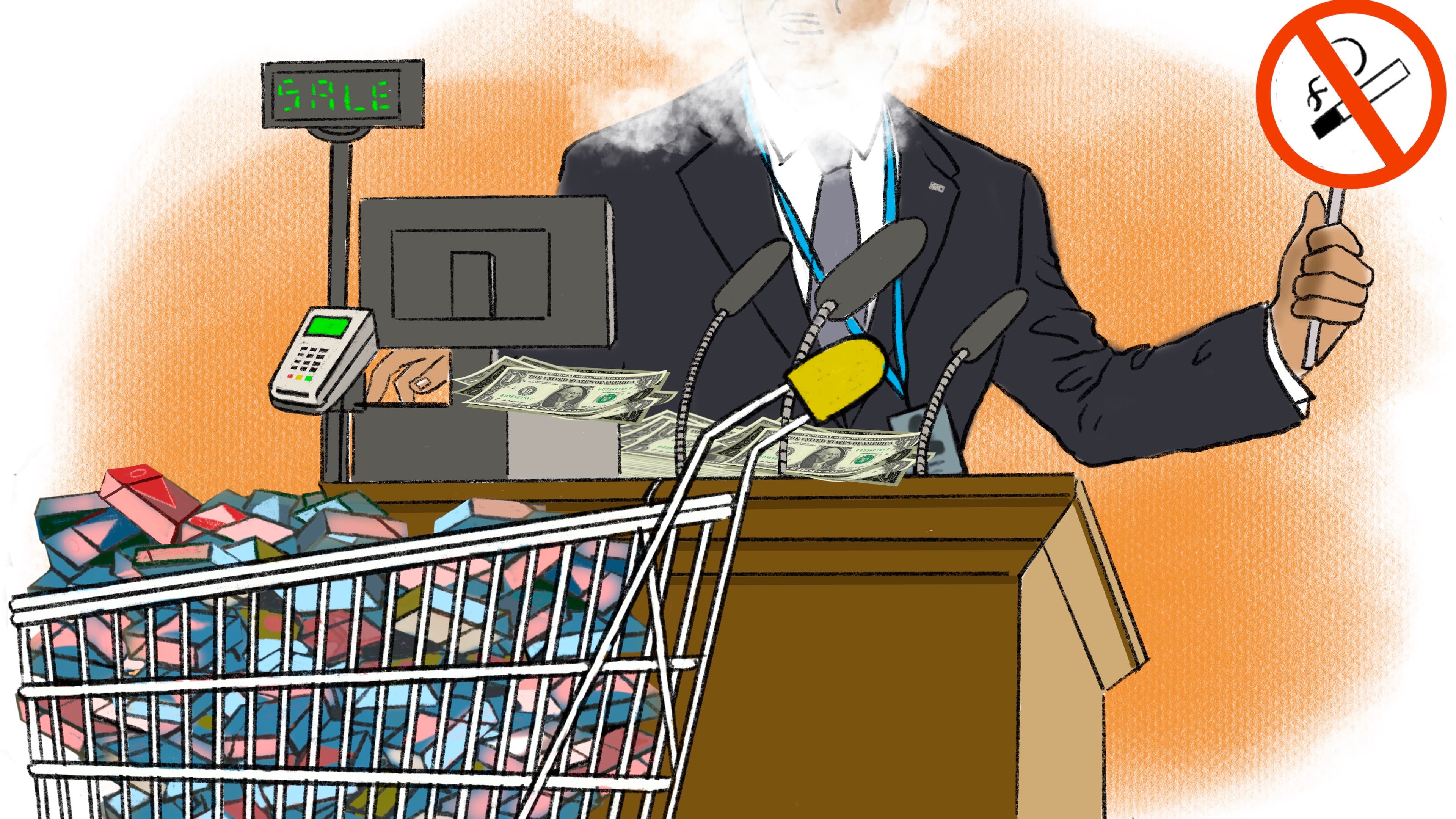
Tobacco companies sell fruity "click" cigarettes in kid-friendly flavors despite promises of a "smoke-free" future.
As legal battles over vapes and menthol cigarettes mount, tobacco companies turn to former agency insiders to press their case.
New report details Blackstone and American Securities’ acquisition of firms that sell lead chromate, a toxic compound widely used in poorer countries.
With one in four adults worldwide affected by persistent pain, experts urge a shift away from treatment with opioids, which carry risks of addiction and overdose.
Tactics used to persuade U.S. doctors that potent painkillers could be safely prescribed have been used abroad, an investigation shows.
We’ve been busy: 19 investigations, 37 media partners, many late nights – and one very proud team.
Alcohol companies are targeting new markets and dodging regulation worldwide while excess drinking causes millions of deaths each year.
Advocates are skeptical that the announcement is sincere after The Examination revealed previous investment threats by the tobacco giant.
PFAS tied to lithium ion battery production are part of a growing “public health disaster,” prompting some legislators to push for broader regulation.
With deceptive health appeals, China Tobacco finds growth amid global slowdown.
People in states where marijuana remains illegal are failing drug tests and facing major repercussions even though they say it is legal hemp that they are consuming.
Legislators respond to The Examination and Houston Chronicle investigation of oil companies leaking hydrogen sulfide near families and schools.
A new investigation examines the track record of chemical suppliers winning hefty contracts to fuel the green transportation revolution.
Chemical suppliers for lithium-ion batteries have been accused of misleading regulators, hiding information and contaminating communities while making related products.
By making legal threats and lobbying politicians, the tobacco industry worked to undermine a radical new bill to create a “smoke free” generation, documents show.
Architect of hemp law says she ‘did not know’ that highly-potent compounds could be made from the plant.
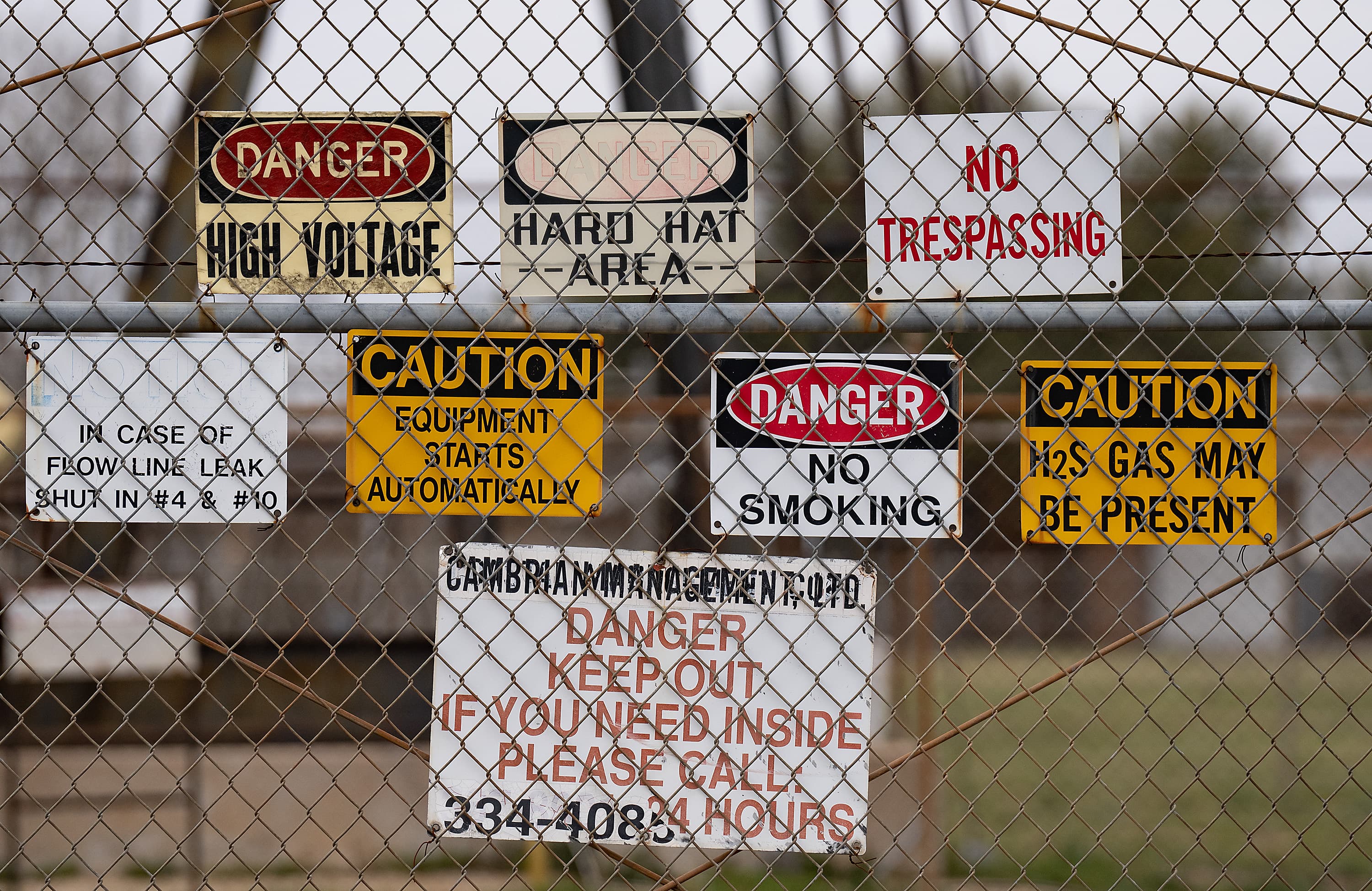
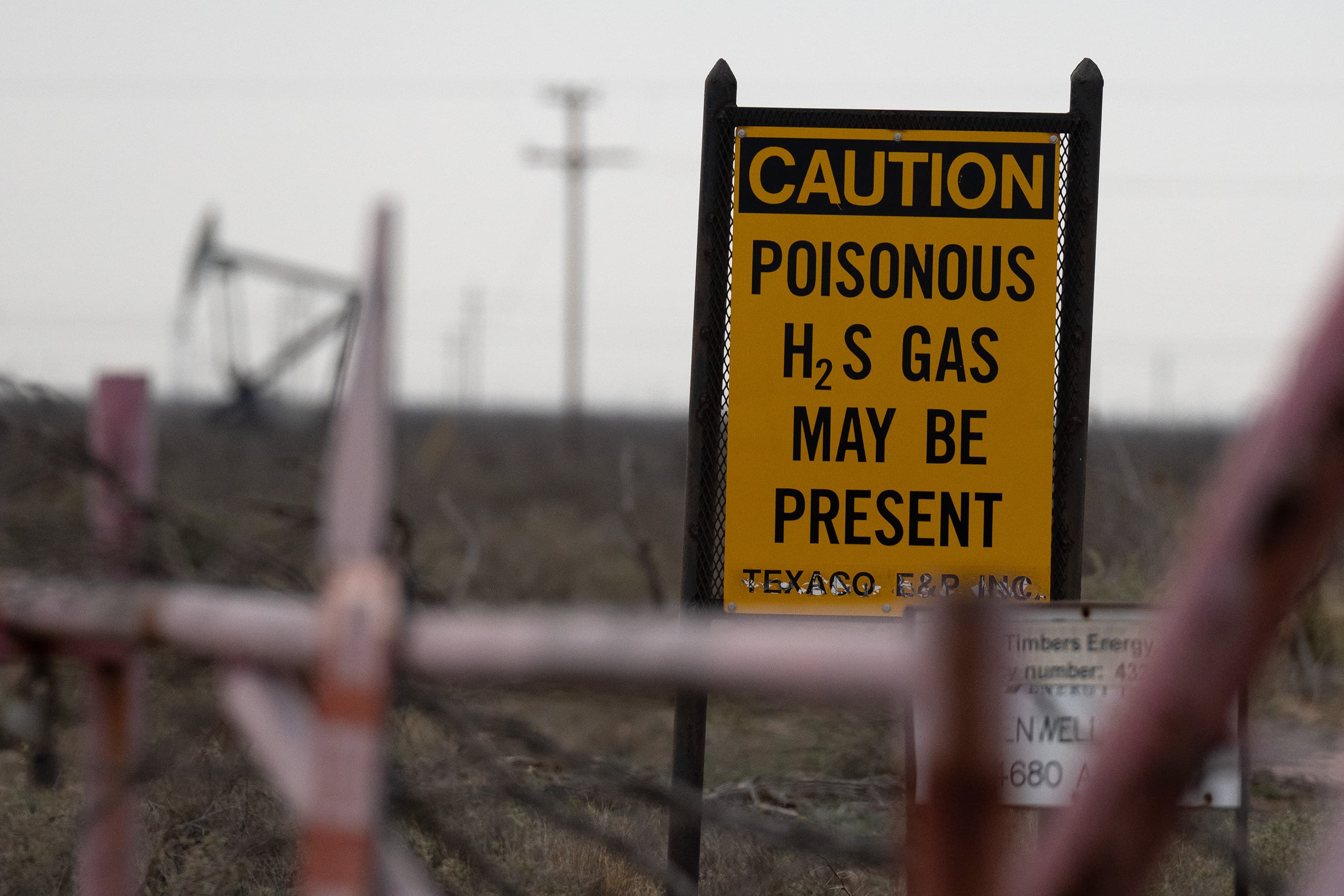
Hydrogen sulfide, or H2S, is a poisonous gas that saturates the Permian Basin of West Texas and other oil-production regions. Here's how leaks happen and why they can be dangerous.
Tens of thousands of people live close to oil and gas wells where they risk exposure to hazardous levels of hydrogen sulfide. Regulators do little to protect them.
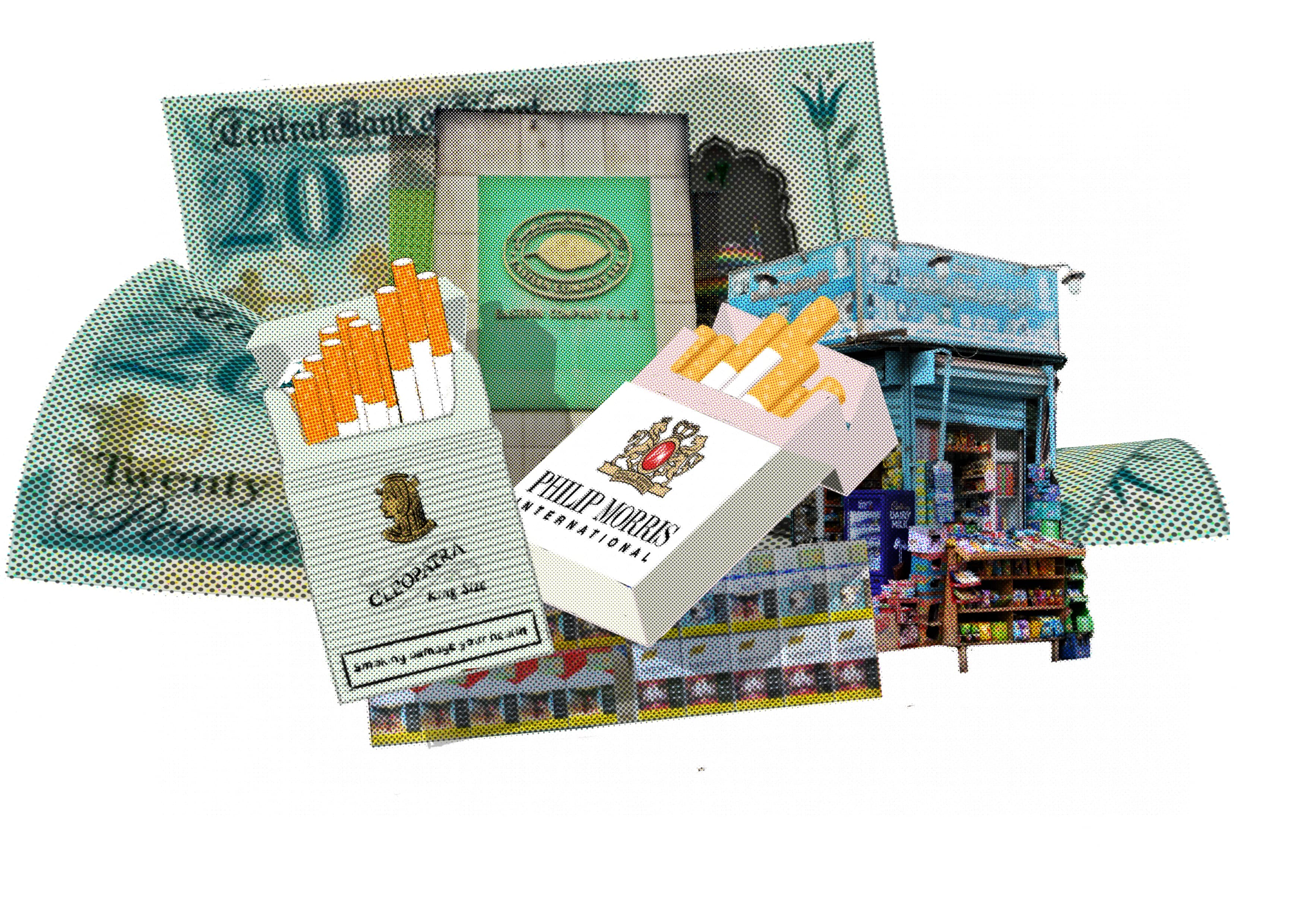
The tobacco giant and its longtime business associate quietly gained a major foothold in Egypt, as the country sold off its stake in its state tobacco monolith.
The medical education provider had proposed a year’s worth of online content about smoking cessation backed by the tobacco giant, an internal document shows.
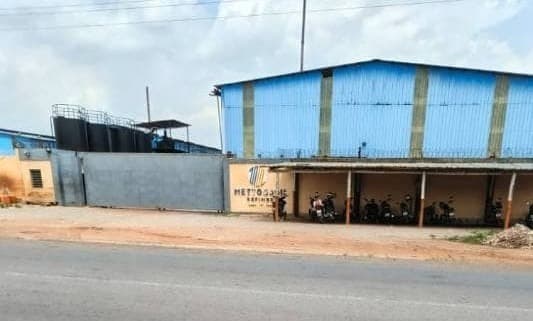
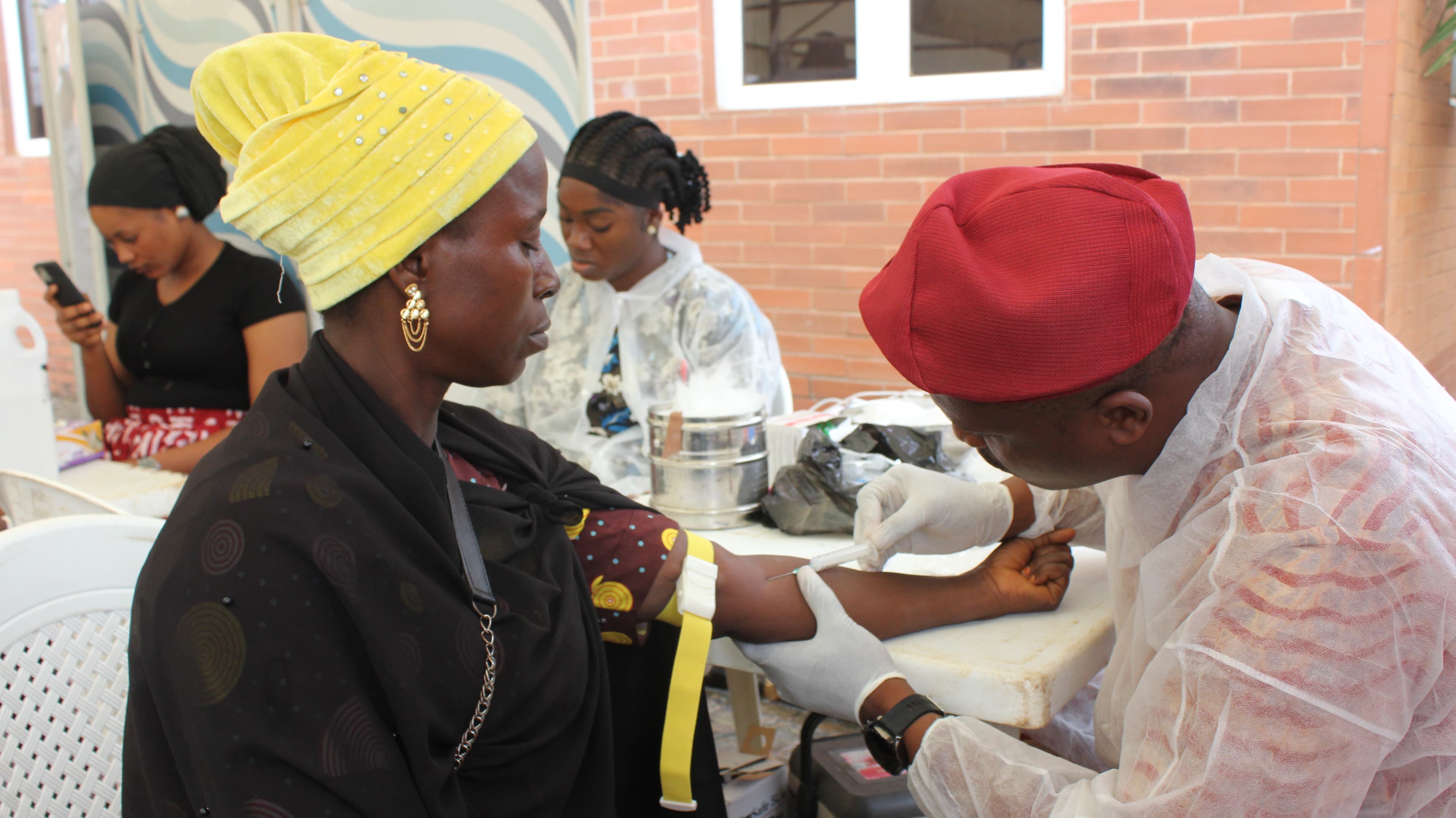
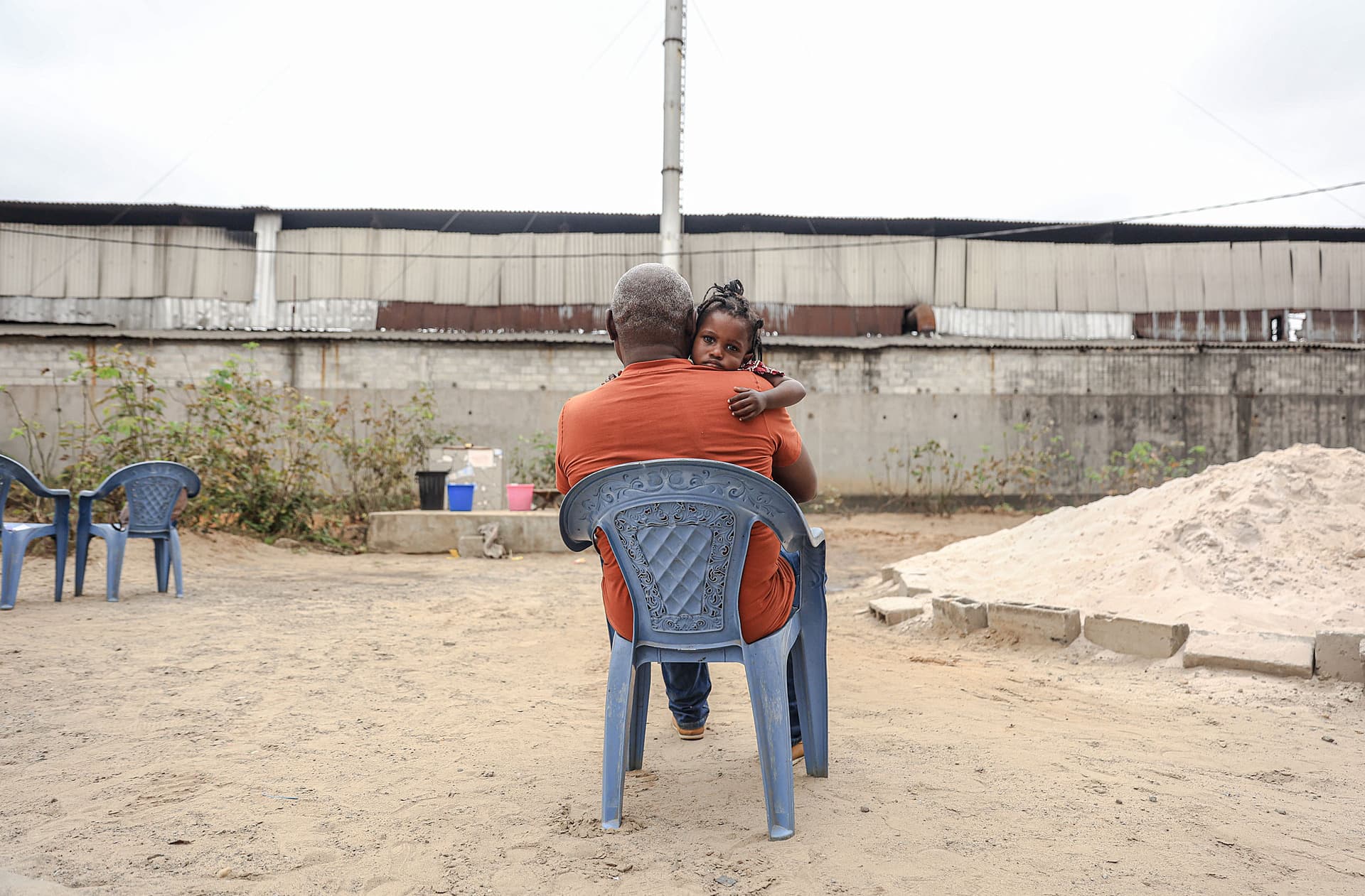
Residents who live near the Metssa factory in Vindoulou submitted blood test results, including those commissioned by The Examination, as evidence of a health crisis.
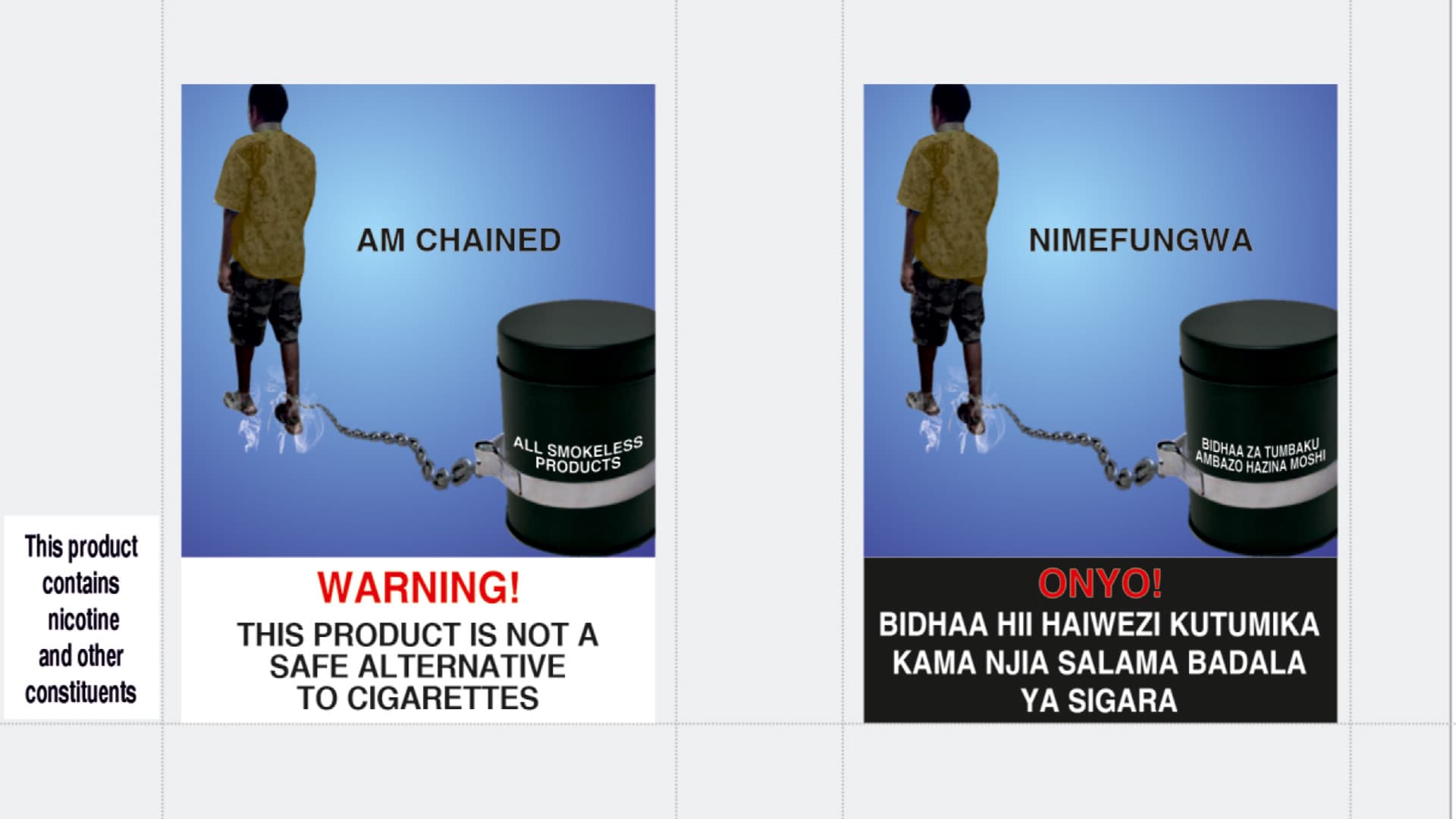
The new labels are being proposed after The Examination revealed that British American Tobacco had successfully lobbied for minimal health warnings on its products.
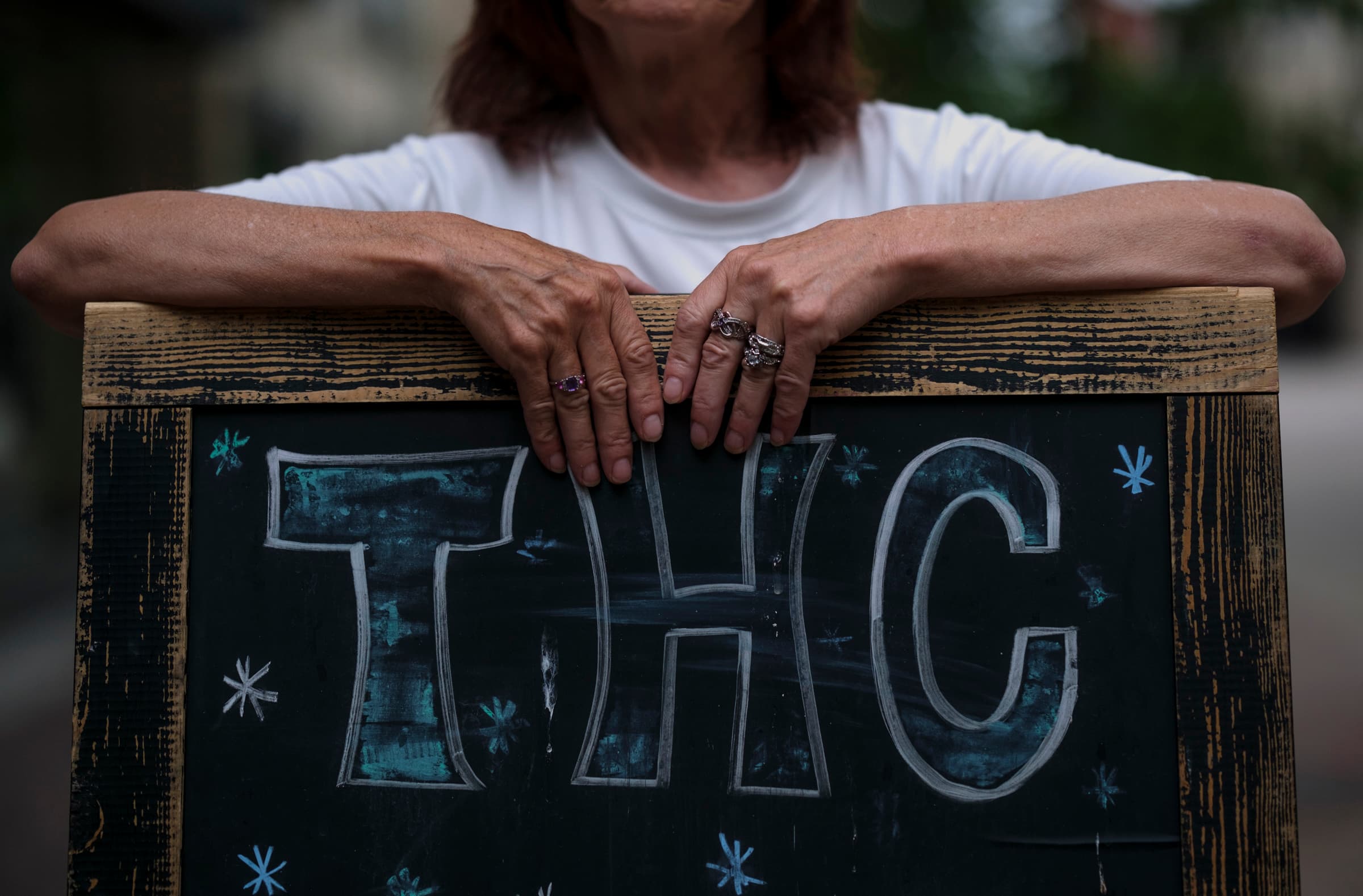
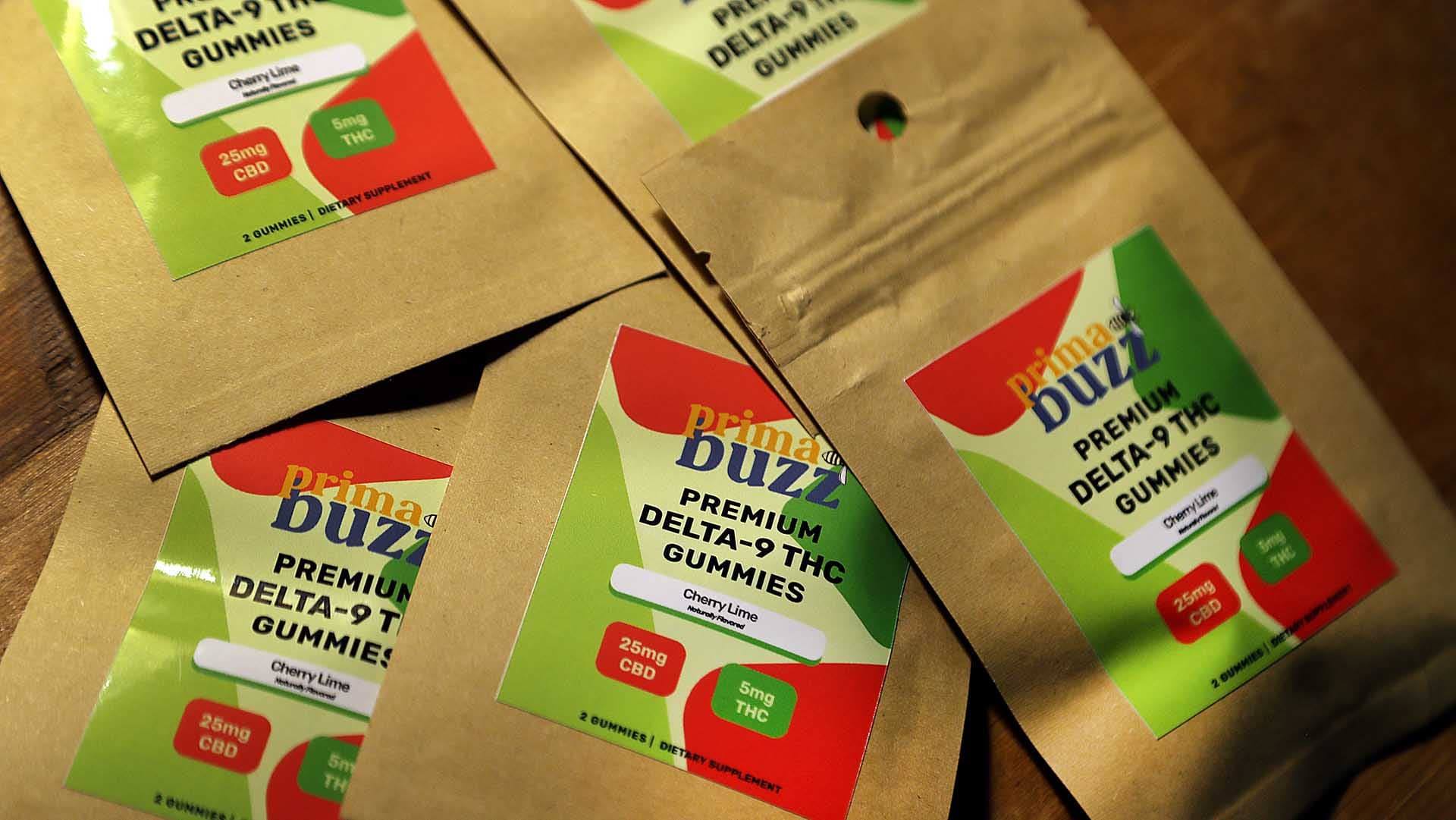
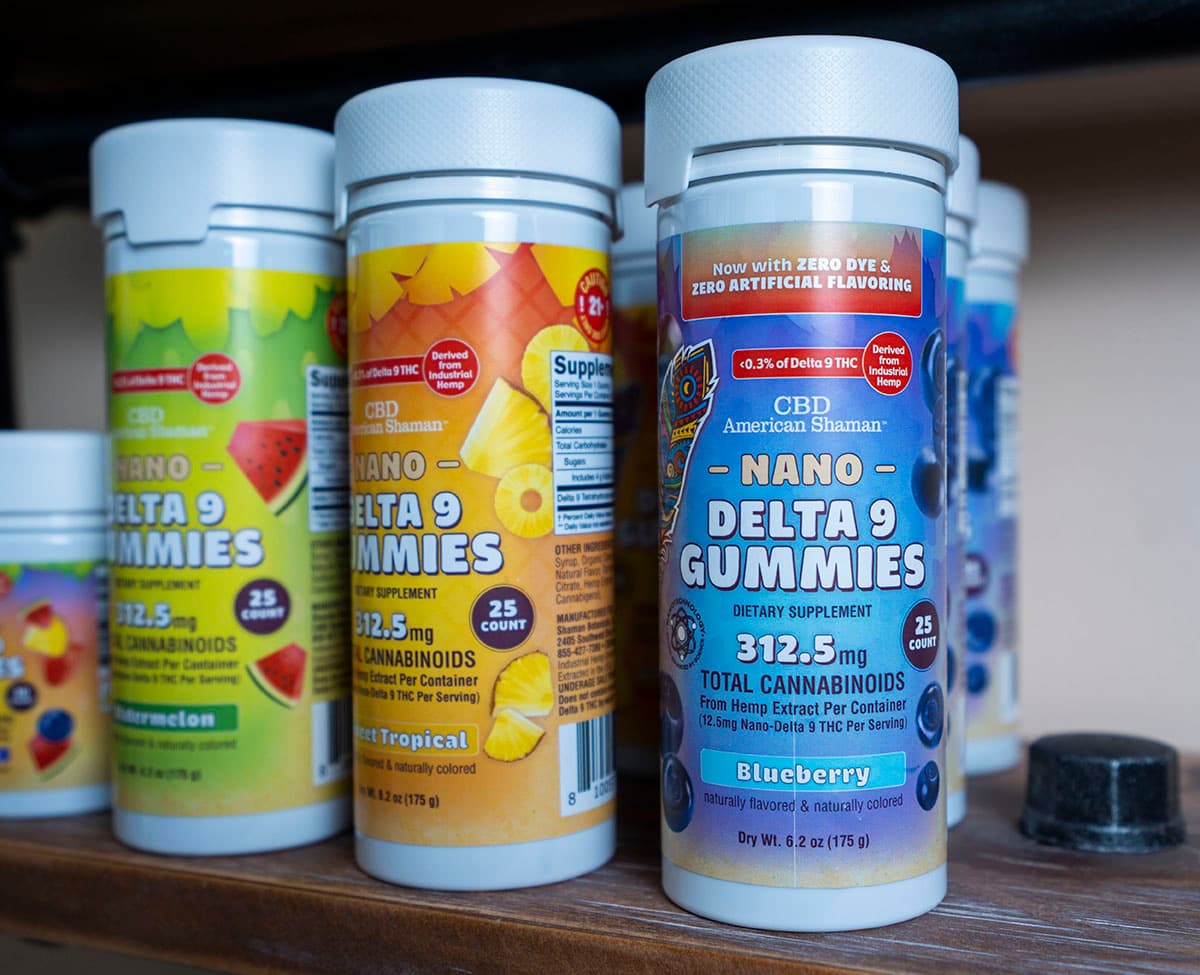
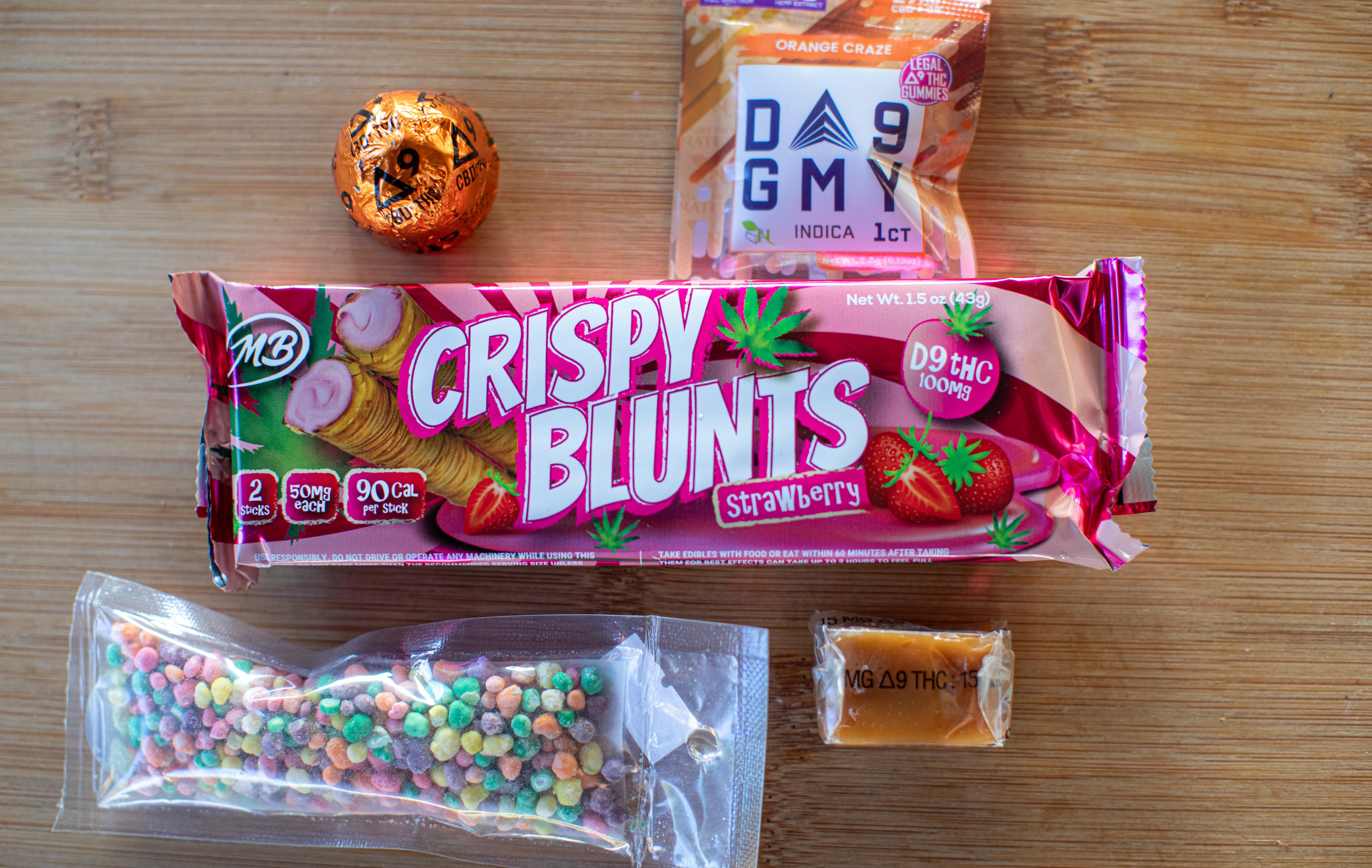
Marijuana for recreational use remains outlawed in half of the U.S. — yet it is easy to buy gummies, vapes and other products that deliver a high in many of those same states.
As a new kind of legal weed takes the U.S. by storm, regulators, law enforcement and even industry voices are calling for more oversight.
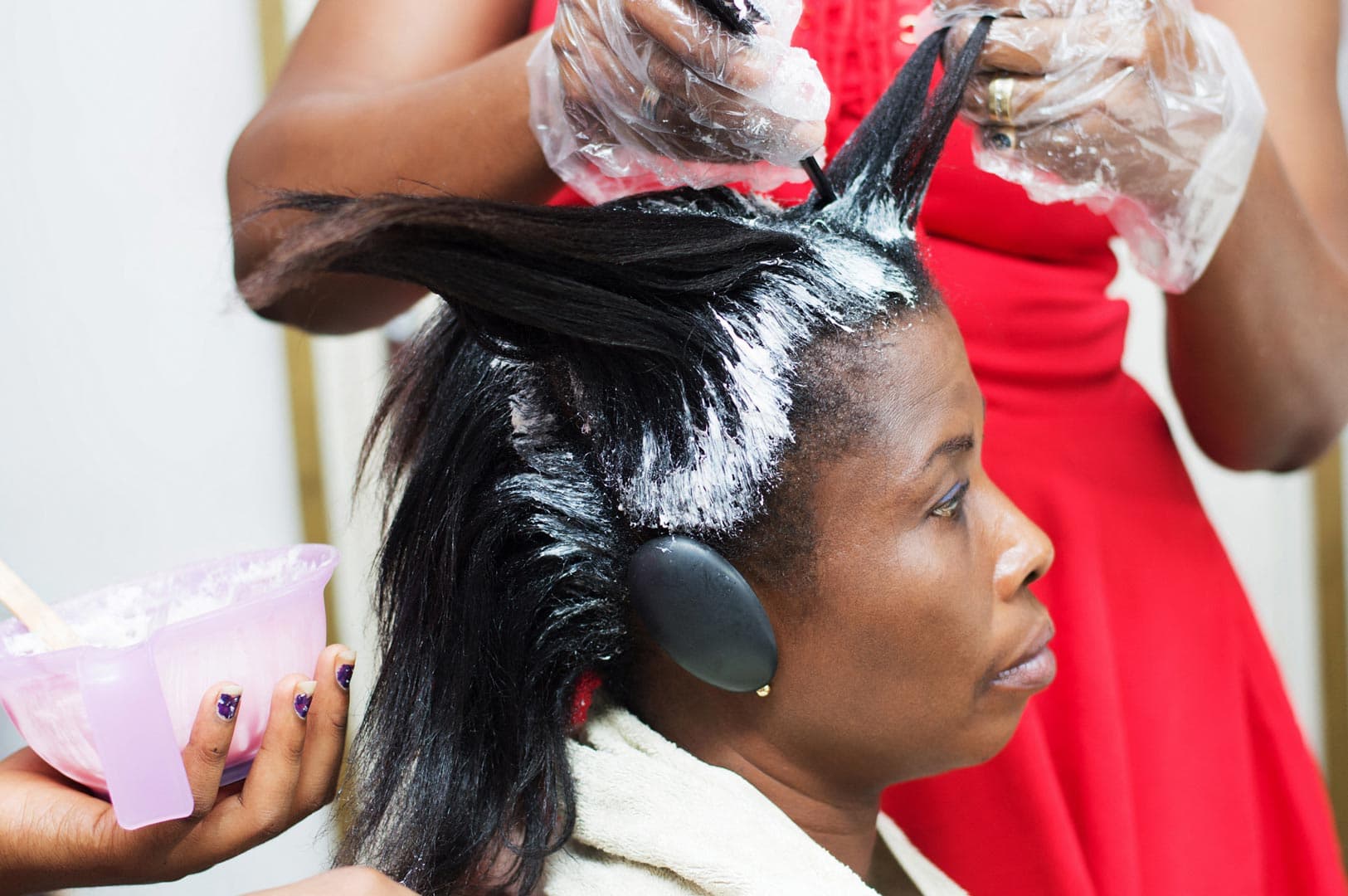
The companies at the center of thousands of U.S. lawsuits produce some of Africa’s most popular chemical straighteners like Dark & Lovely and TCB Naturals.
General Mills warns of “food shaming"; dietitian influencers promote junk foods and discourage weight loss efforts.
England’s tobacco control programme lead, Martin Dockrell, told the controversial e-cigarette company how it could best enter the British market, internal company files show.
While studies show that food products, consumer habits and awareness have changed, experts say that it can take decades for obesity rates to budge.
Investigations by The Examination, The New York Times and El Universo uncovered food safety lapses that caused hundreds of children to be poisoned by cinnamon that went from Sri Lanka to Ecuador to the United States.
Hundreds of American children were poisoned last year. Records show how, time and again, the contamination went unnoticed across borders.
Our reporters are committed to investigating the tobacco industry as it pushes new products and targets emerging economies. What do we need to know? Share your ideas with us.
Leaked documents show how lobbying successfully relaxed regulations around Velo nicotine pouches. Experts fear the products will addict a new generation.
Philip Morris International has poured millions into a nonprofit that funds a sprawling network of pro-vaping groups trying to influence laws.
In revelations made to South Korean newsroom Newstapa last year, a former safety manager says he raised concerns about noxious gas and effluent discharges from the factory for years — but was met with inaction.
Smoking rates have declined dramatically in much of the world since the Framework Convention on Tobacco Control was signed 20 years ago. But not in China – and its people are suffering the consequences.
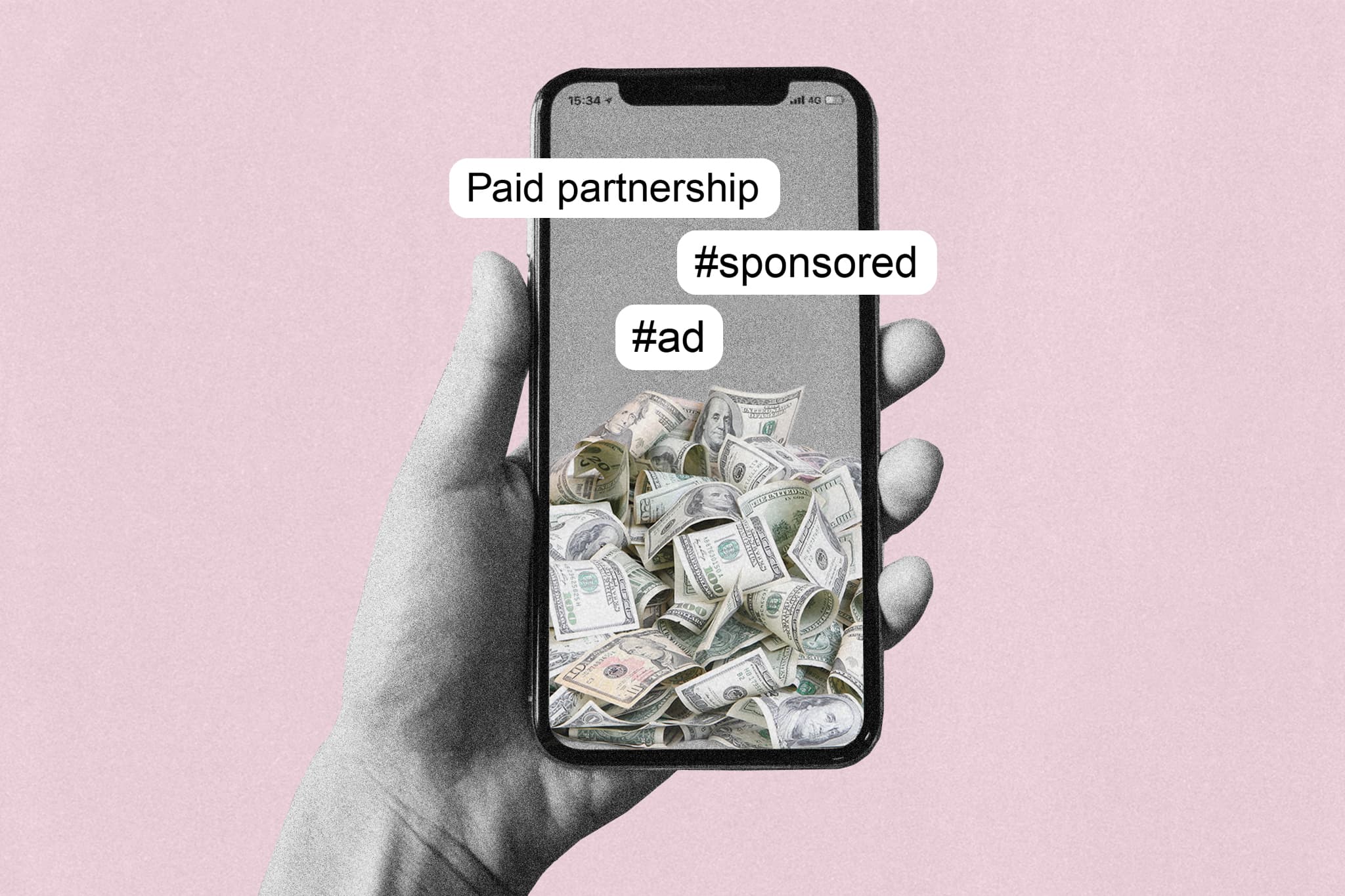
A federal crackdown on social media ads has prompted nutrition influencers to declare their sponsors.
Les tests révèlent que les familles résidant à proximité des usines de recyclage de batteries présentent des niveaux de plomb « dangereux » dans leur sang et dans le sol.
Families near battery recycling plants face “dangerous" levels of lead in their blood and in soil, testing shows.
Other countries are also considering bans on tobacco product sales, similar to a pioneering law now axed in a deal by New Zealand’s right-wing coalition.
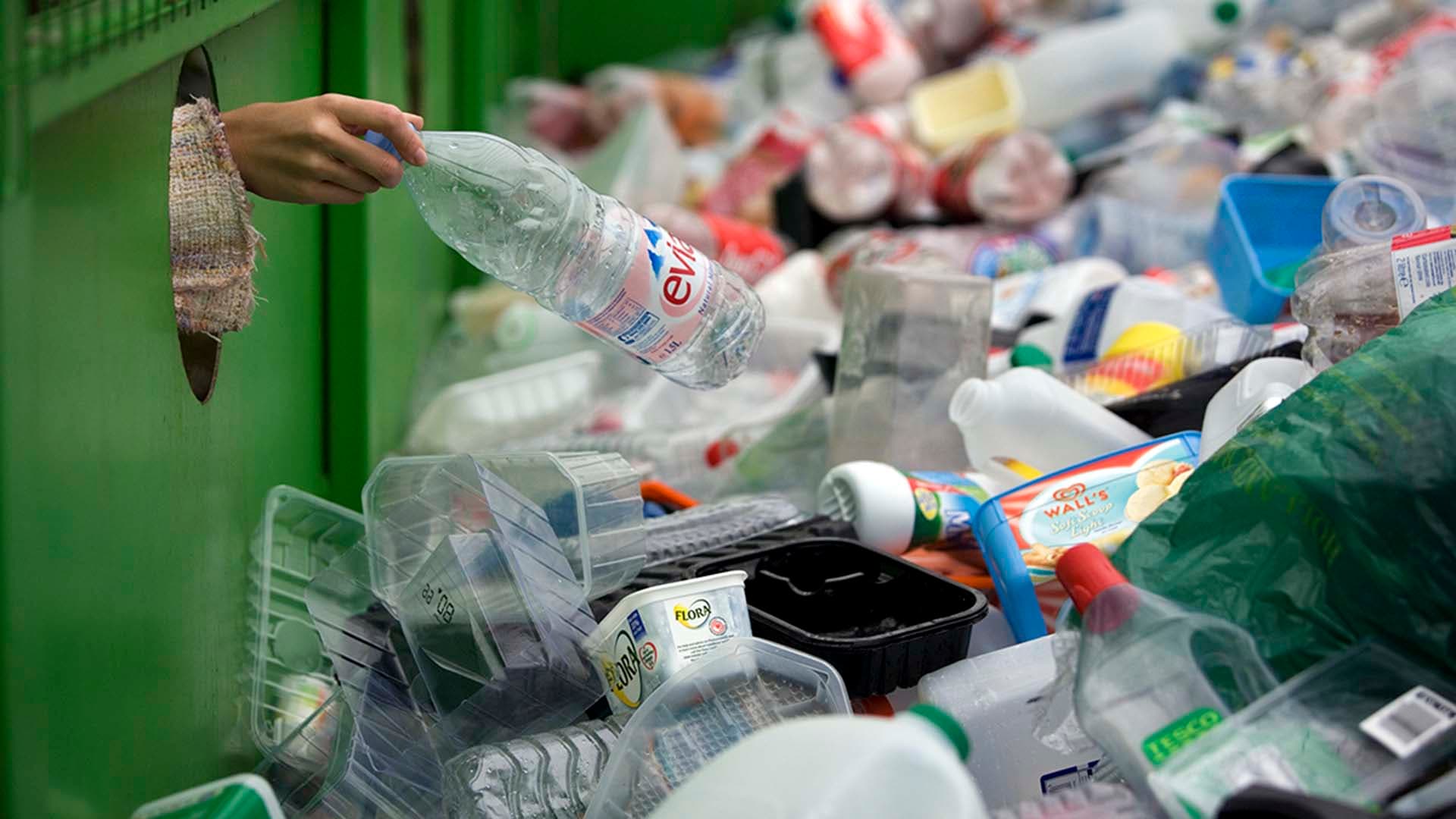
As talks for an international plastics treaty advance at a UN summit in Kenya, little is known about the long-term health risks of the ubiquitous material.
The agency said food and sugar industry trade groups and nutrition influencers failed to adequately disclose who was behind paid advertising.
We sat down with ecologist Micaela Martinez to talk about harmful products that disproportionately affect women of color as a rising frontier of environmental justice.
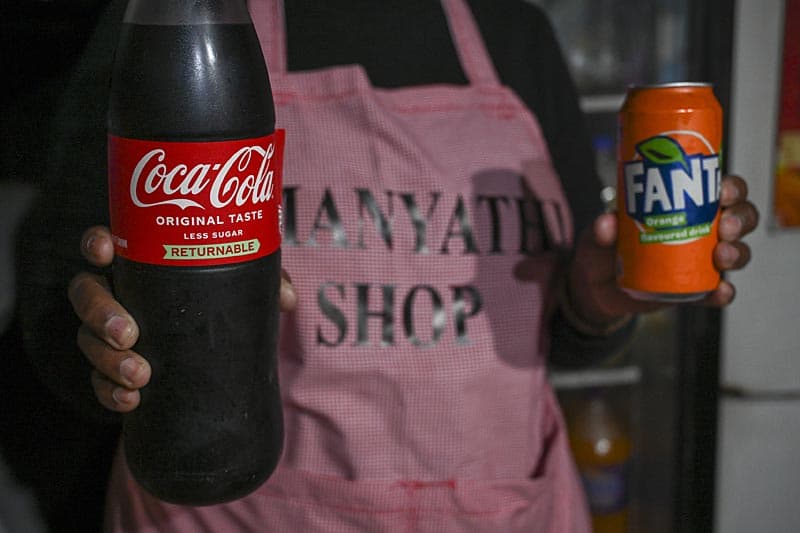
As taxes aimed at reducing sugary drink consumption have been adopted around the world, health advocates face familiar pushback from the sweetened-beverage industry.